
Your list is empty, add products to the list to send a request








Why Eye Protection is Essential in Fire Safety: Protecting Your Vision in Hazardous Environments

08
Nov
Introduction
When it comes to fire safety, most people focus on the critical need for fire extinguishers, smoke alarms, and protective clothing such as fire-resistant suits or gloves. While these are essential to preventing injury and controlling fires, one of the most often overlooked yet vitally important aspects of fire safety is eye protection. Eyes are one of the most vulnerable parts of the body during a fire-related emergency, and the need to protect them cannot be overstated.
In this article, we will explore why eye protection is critical in fire safety, the various hazards that can damage your vision in hazardous environments, and the best types of protective eyewear you can use. Whether you are a firefighter, a safety officer, or an industrial worker, understanding the importance of protecting your eyes from fire-related hazards can save you from permanent damage or even blindness.
At Firesupplies, we are committed to offering top-of-the-line fire safety equipment that includes high-quality eye protection to help you stay safe during dangerous situations.
Understanding the Hazards: What Can Damage Your Eyes During a Fire?
Before diving into the importance of eye protection, it’s essential to understand what exactly happens to the eyes in hazardous fire environments.
1. Heat and Thermal Burns
When a fire breaks out, the extreme heat can cause immediate and irreversible damage to the eyes. Intense heat can lead to thermal burns, causing significant harm to the cornea and other sensitive parts of the eye. The consequences can be devastating, leading to permanent vision loss if not properly shielded from the heat.
2. Smoke and Chemical Exposure
In the aftermath of a fire, smoke and chemical gases often linger in the air, and these particulates can be harmful to the eyes. Smoke can cause irritation, dryness, or more severe conditions such as conjunctivitis (pink eye) and corneal abrasions. Furthermore, toxic chemicals in the smoke, like carbon monoxide and volatile organic compounds, can have long-term effects on eye health.
3. Flying Debris
One of the most common hazards in both structural fires and industrial accidents is flying debris. As fires rage, materials such as glass, wood, metals, and plastics can shatter and become airborne. These particles pose an obvious danger to the eyes, potentially causing lacerations, abrasions, and in some cases, permanent blindness.
4. Radiant Heat
In a fire environment, radiant heat is a significant threat to the eyes. Even if you are not in direct contact with the flames, the intense heat radiating from the fire can cause temporary vision impairment, blurred vision, or more severe damage. Firefighters and industrial workers exposed to such environments are particularly at risk.
5. Ultraviolet (UV) Radiation
UV radiation is a byproduct of a fire, and prolonged exposure can lead to serious eye damage. Prolonged exposure to UV radiation from a fire can cause “flash burn” or photokeratitis, a painful condition that affects the cornea. This is especially true for firefighters working in high-heat environments, where UV rays can penetrate their gear.
The Importance of Eye Protection in Fire Safety
Given the numerous hazards that fire-related environments present, eye protection is essential for maintaining vision and ensuring the safety of those working in such conditions. Below are several reasons why eye protection should be an integral part of your fire safety gear.
1. Preventing Permanent Vision Loss
The most obvious reason to wear eye protection during a fire-related incident is to prevent permanent vision loss. The eyes are delicate and, once damaged by heat, smoke, or flying debris, the effects can be irreversible. Protective eyewear shields the eyes from thermal burns, debris, and toxic substances, significantly reducing the risk of long-term damage to your sight.
2. Ensuring Quick Response Times
In high-stress environments like fires, clear and unobstructed vision is crucial. Firefighters and safety officers must be able to react quickly and navigate through hazardous conditions. Without proper eye protection, impaired vision due to smoke or debris can delay actions, putting lives at risk. Protective eyewear ensures that you can act swiftly and decisively when every second counts.
3. Reducing the Risk of Eye Irritation and Infection
Smoke and chemical fumes that fill the air during a fire can lead to painful eye irritation, dryness, and infections. Wearing goggles or safety glasses can prevent these irritants from coming into contact with your eyes, reducing the likelihood of conjunctivitis or other eye conditions.
4. Supporting Long-Term Eye Health
While acute injuries such as burns or abrasions are immediate concerns, prolonged exposure to fire-related hazards can also cause long-term damage to your eyes. UV radiation from fire, for instance, can contribute to conditions like cataracts or macular degeneration over time. Wearing high-quality fire-resistant eyewear minimizes these risks, ensuring your long-term eye health.
5. Complying with Safety Regulations
In many fire safety settings, such as industrial workplaces, compliance with safety standards and regulations is mandatory. OSHA (Occupational Safety and Health Administration) and other regulatory bodies require the use of protective eyewear to prevent injuries in environments where fire and hazardous chemicals are present. Failing to follow these safety regulations can result in penalties, accidents, and liability issues.
Types of Eye Protection for Fire Safety
There are various types of eye protection available that are designed to shield your eyes from fire-related hazards. The best choice of eyewear will depend on the specific risks associated with the environment you’re working in. Below are some of the most effective options.
1. Fire-Resistant Safety Goggles
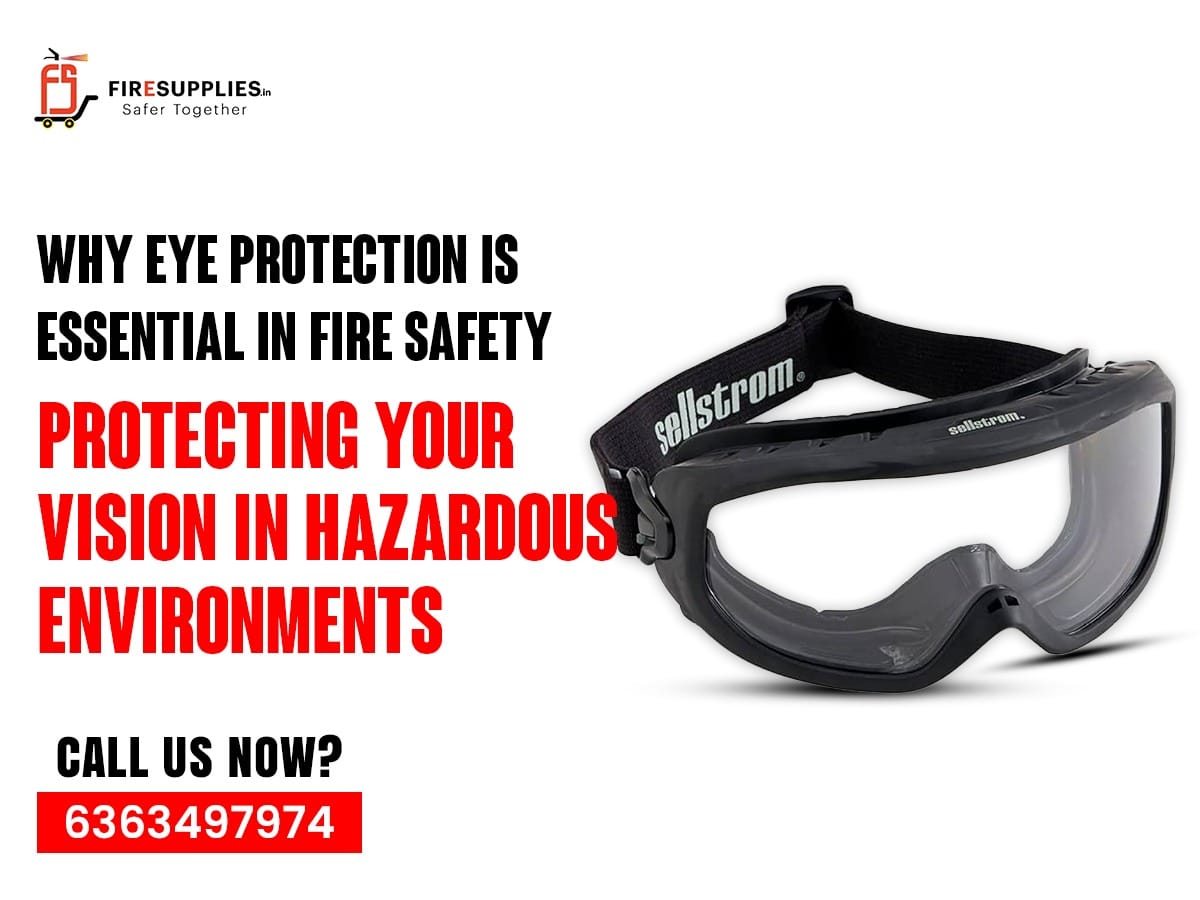
Fire-resistant goggles are one of the most common forms of eye protection in hazardous fire environments. These goggles offer full coverage, ensuring that smoke, chemicals, and debris cannot enter the eyes from any direction. High-quality fire-resistant goggles are made from materials that can withstand extreme heat and provide a secure, comfortable fit.
2. Face Shields
In situations where additional facial protection is needed, a fire-resistant face shield is an excellent option. These shields provide broader coverage than goggles and can protect not only your eyes but also your face from the intense heat, flying debris, and smoke. Some face shields are equipped with anti-fog and anti-scratch coatings, ensuring that your vision remains clear throughout the duration of the task.
3. Fire-Resistant Safety Glasses
For those who work in environments where debris or intense heat is a significant concern but don’t require full face coverage, fire-resistant safety glasses are an excellent choice. These glasses provide protection against smoke and flying particles while offering comfort and better visibility. Many models also include UV protection, safeguarding the eyes from harmful radiation emitted by the fire.
4. Visors with Helmets
Firefighters often use visors attached to their helmets as part of their personal protective equipment (PPE). These visors are typically made from heat-resistant materials and are designed to protect the eyes while still allowing for clear vision. They offer additional protection when wearing a full-body fire suit, and many feature advanced anti-fogging properties to ensure optimal visibility.
5. Prescription Fire Safety Eyewear
For individuals who require corrective lenses, prescription fire safety eyewear is available. These are designed to provide the same level of protection as non-prescription models while accommodating the need for corrective vision. Prescription fire safety eyewear ensures that individuals with vision impairments can work safely in fire hazards without compromising eye protection.
Best Practices for Eye Protection in Fire Safety
While choosing the right type of eye protection is essential, it is equally important to follow certain best practices to ensure maximum effectiveness:
1. Regular Inspections
Before using any fire safety eyewear, it’s essential to inspect it for signs of wear, tear, or damage. Scratched lenses or cracks in goggles can significantly reduce the level of protection they offer. Regularly check your eye protection equipment to ensure it’s functioning as intended.
2. Ensure Proper Fit
Eyewear that doesn’t fit properly can leave gaps around the eyes, which allows smoke, debris, and chemicals to enter. Ensure that your goggles or glasses fit snugly and comfortably to provide the best protection.
3. Use Anti-Fog Coatings
Fogging is a common issue with safety goggles or face shields, particularly in hot and humid environments. Choose eyewear that comes with anti-fog coatings or use anti-fog solutions to maintain clear visibility during a fire emergency.
4. Clean and Maintain Your Eyewear
Regularly clean your eyewear to ensure optimal visibility. Dirty lenses or face shields can reduce clarity and compromise your ability to see hazards clearly. Use gentle cleaning solutions and a soft cloth to avoid damaging the lenses.
5. Never Compromise on Quality
When it comes to fire safety, don’t skimp on quality. Always choose eyewear that meets industry safety standards and provides the level of protection required for fire-related hazards. Brands like Firesupplies offer high-quality, certified safety eyewear designed to withstand the extreme conditions of fire environments.
Best Practices for Eye Protection in Fire Safety
While choosing the right type of eye protection is essential, it is equally important to follow certain best practices to ensure maximum effectiveness:
1. Regular Inspections
Before using any fire safety eyewear, it’s essential to inspect it for signs of wear, tear, or damage. Scratched lenses or cracks in goggles can significantly reduce the level of protection they offer. Regularly check your eye protection equipment to ensure it’s functioning as intended.
2. Ensure Proper Fit
Eyewear that doesn’t fit properly can leave gaps around the eyes, which allows smoke, debris, and chemicals to enter. Ensure that your goggles or glasses fit snugly and comfortably to provide the best protection.
3. Use Anti-Fog Coatings
Fogging is a common issue with safety goggles or face shields, particularly in hot and humid environments. Choose eyewear that comes with anti-fog coatings or use anti-fog solutions to maintain clear visibility during a fire emergency.
4. Clean and Maintain Your Eyewear
Regularly clean your eyewear to ensure optimal visibility. Dirty lenses or face shields can reduce clarity and compromise your ability to see hazards clearly. Use gentle cleaning solutions and a soft cloth to avoid damaging the lenses.
5. Never Compromise on Quality
When it comes to fire safety, don’t skimp on quality. Always choose eyewear that meets industry safety standards and provides the level of protection required for fire-related hazards. Brands like Firesupplies offer high-quality, certified safety eyewear designed to withstand the extreme conditions of fire environments.
Conclusion
In the world of fire safety, eye protection is an often-overlooked but crucial element in safeguarding your vision and ensuring your overall safety. Whether you’re a firefighter, industrial worker, or safety officer, protecting your eyes from heat, smoke, flying debris, and UV radiation can mean the difference between a temporary injury and permanent vision loss. By investing in high-quality, fire-resistant eye protection from trusted brands like Firesupplies, you are taking a critical step toward ensuring not only your personal safety but also the safety of those around you.
Always remember that when dealing with fire hazards, your eyes are just as vulnerable as any other part of your body. Make eye protection a priority and follow the best practices outlined in this article to maintain your vision and reduce the risk of injury in hazardous environments. Stay safe, stay protected, and ensure your eyes are as safe as the rest of your body when facing fire-related emergencies.

