
Your list is empty, add products to the list to send a request










Close
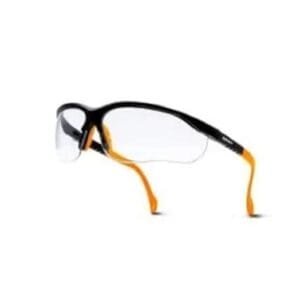
Honeywell Safety Spectacle With Clear Lens With Hard And Antifog Coating And Adjustable Temples (MOQ – 10 Pcs)
Light, Resilient and Durable protective eyewear for all day wear. Economically priced to fit any budget. Sung-fittiing wrap around lens provides perfect impact protection for eyes. Fashionable design resembles sunglasses suitable for both men andwomen. Scratch resistance, Hard-coated 100% Polycarbonate lens filter out morethan 99.99% of harmful lights. Protection against Ultra-Voilet radiations forscale 2-1.2 for clear lens, optical class.
Close
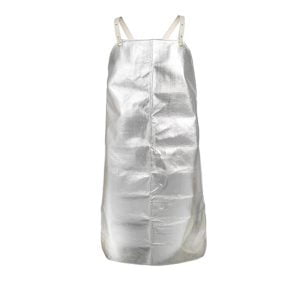
Kevlar Aluminized Apron 24 x 36
Kevlar Aluminized Apron 24 x 36
3M 1426 Multi Position Earmuff
3M Economy Earmuffs are ideal for everyday use. They are economical and dependable. Soft, foam ear cushions provide comfort
Close
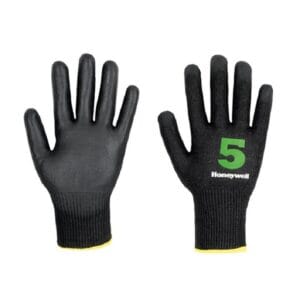
Honeywell PU Coated Cut Level 5 Gloves – Hand Protection (MOQ-6 Pairs)
For high risk dry environments. Suitable for handling sharp and coarse materials. Excel in automotive, construction, maintenance and metal industries. Price is per pair of gloves.
Close
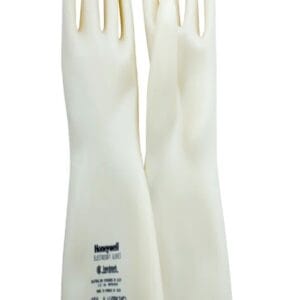
Honeywell Electrical Insulating Gloves Class-00 – Electrical Safety
Ergonomic shape makes it easy for donning and doffing. Natural Latex formulation providing high Di-electric properties for protection against electric applications.
Compatible with outer leather gloves for enhanced protection. Economical offering with enhanced protection. Available in multiple sizes and lengths.
Close
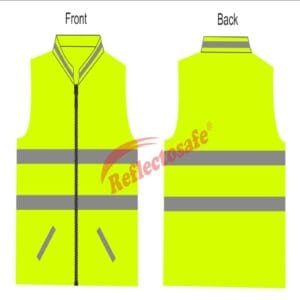
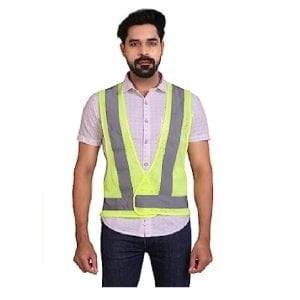
ReflectoSafe Pro Safety Jacket
ReflectoSafe Pro Safety Jacket the purpose of reflective clothing, isÿto signal the presence of the user in places and situations which may cause potential threats to their health and safety.
Close
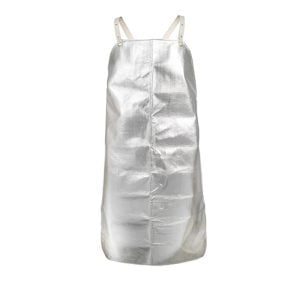
Kevlar Aluminized Apron 24″ x 48″
Kevlar Aluminized Apron 24" x 48"
Close
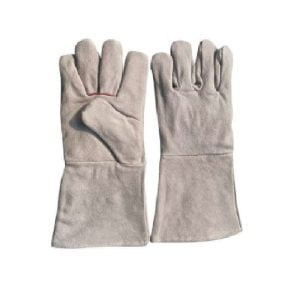
ReflectoSafe Spectra Safety Jacket
ReflectoSafe Spectra Safety Jacket the purpose of reflective clothing, isÿto signal the presence of the user in places and situations which may cause potential threats to their health and safety.
Close
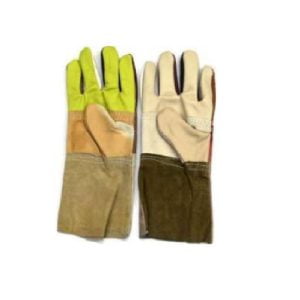
Anzensei AZS53 Buff Leather Mix Glove(MOQ of 10 Pairs)
Anzensei AZS53 Buff Leather Mix Glove Working gloves perfect for people who really need a way to protect their hands from burning, scratching and getting cut! The enhanced strong leather constituting the gloves will effectively protect your hands against any harmful factor - such as fire, since they are abrasion resistant, non-slippery, thick & dense!
Close
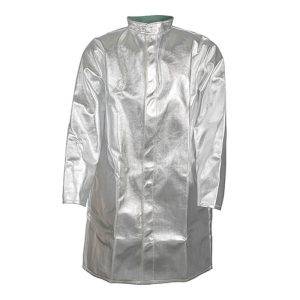
Anzensei AZS51 Leather Gloves(MOQ of 10 Pcs)
Anzensei AZS51 Leather Gloves Working gloves perfect for people who really need a way to protect their hands from burning, scratching and getting cut! The enhanced strong leather constituting the gloves will effectively protect your hands against any harmful factor - such as fire, since they are abrasion resistant, non-slippery, thick & dense!
Close
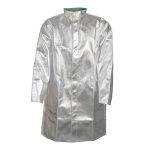
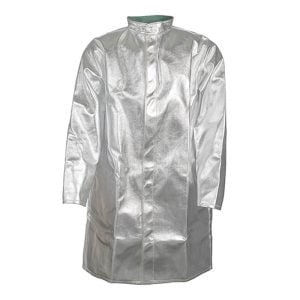
Kevlar 30″ Aluminized Coat
Kevlar 30" Aluminized Coat
Close
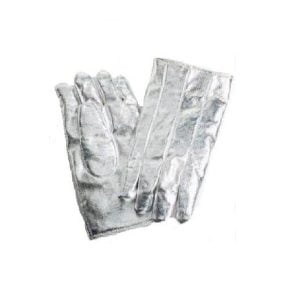
Kevlar 18″ Aluminised Gloves (MOQ 3Nos)
Kevlar 18" Aluminised Gloves
Close
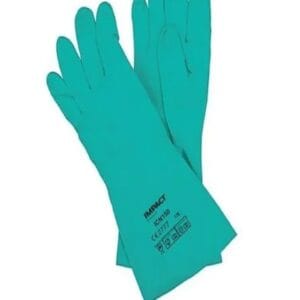
Honeywell Nitrile Indus Glove, 15 MIL, 33CM, Flock, Green – All Size – Hand Protection (MOQ-10 Pairs)
Good Grip. Curved Shape provides Natural Fit. Available in multiple sizes.
Close
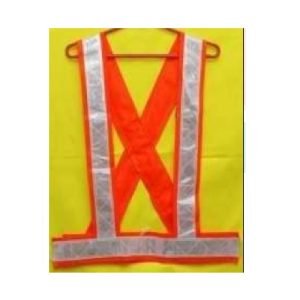
WarnMat V4U 307 60 GSM Safety Jacket
WarnMat V4U 307 60 GSM Safety Jacket the purpose of reflective clothing, isÿto signal the presence of the user in places and situations which may cause potential threats to their health and safety.
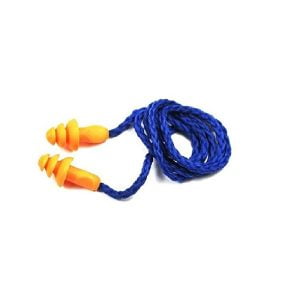
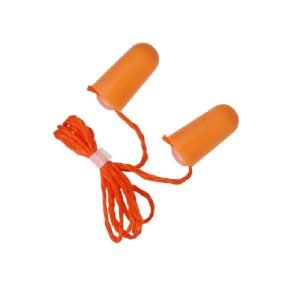
Anzensei AZS43 3M Reusable Ear Plug
Anzensei AZS43 3M Reusable Ear Plug feature soft, hypoallergenic foam and a tapered design to fit comfortably in the earcanal. Equipped with a comfortable, cloth cord to help prevent earplug loss. Soft, corded foam earplugs that conform to the unique shape of each ear for excellent hearing protection and comfort. - Corded for convenience and to prevent loss of earplugs.
Close
Anzensei AZS42 3M Ear Plug Carded Foam(MOQ of 10 Pcs)
Anzensei AZS42 3M Ear Plug Carded Foam feature soft, hypoallergenic foam and a tapered design to fit comfortably in the earcanal. Equipped with a comfortable, cloth cord to help prevent earplug loss. Soft, corded foam earplugs that conform to the unique shape of each ear for excellent hearing protection and comfort. - Corded for convenience and to prevent loss of earplugs.
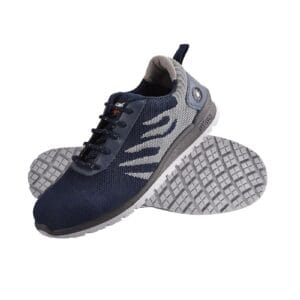
Hillson Swag 1908 PVC Safety Shoes – Blue
Hillson Swag 1908 PVC Safety Shoes - Black
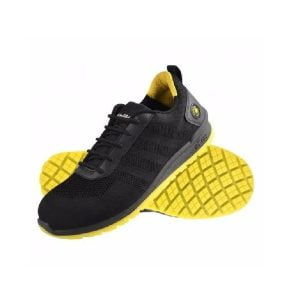
Hillson Swag 1906 PVC Safety Shoes – Yellow
Hillson Swag 1906 PVC Safety Shoes - Black
Close
Kevlar Aluminized Jacket 30 x 36
Kevlar Aluminized Jacket 30 x 36
Close
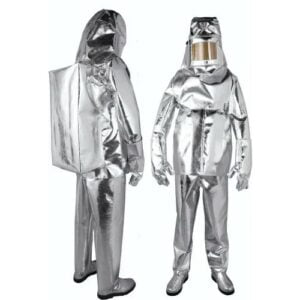
Safekraft Aluminized Suit SKFPS-102
Aluminium Fire Suit 3 Layers Suit Composite aluminum foil fire-retardant fabric, fire-retardant insulation mat, comfort layer
Safety Gear FAQs
1. What is safety gear and why is it important?
Safety gear is personal protective equipment (PPE) designed to protect workers from workplace hazards and reduce the risk of injuries. It helps safeguard the head, eyes, hands, feet, respiratory system, and body from dangers such as falling objects, chemical exposure, electrical hazards, and workplace accidents.
2. What types of safety gear are commonly used in workplaces?
Common safety gear includes safety helmets, safety shoes, gloves, safety goggles, face shields, respirators, ear protection, and fall protection equipment. The required PPE depends on the specific hazards present in industries such as construction, manufacturing, oil and gas, warehousing, and electrical maintenance.
3. How do I choose the right safety gear?
The right safety gear depends on the workplace hazards, job tasks, and applicable safety requirements. Employers should conduct a risk assessment to identify hazards and select PPE that provides appropriate protection, comfort, durability, and compliance with recognized safety standards.
4. What is PPE in workplace safety?
PPE stands for Personal Protective Equipment, which includes clothing and equipment designed to protect workers from occupational hazards. Examples include hard hats, safety glasses, protective gloves, high-visibility clothing, respiratory protection, and safety harnesses used across various industries.
5. Which industries require safety gear?
Safety gear is essential in industries where workers are exposed to physical, chemical, electrical, mechanical, or environmental hazards. Common sectors include construction, manufacturing, mining, logistics, oil and gas, firefighting, utilities, healthcare, and infrastructure maintenance.
6. What safety standards should PPE comply with?
Quality safety gear should comply with recognized international or national safety standards to ensure reliable protection. Depending on the product type, certifications may include ANSI, EN, OSHA, ISO, CE, or IS standards, helping verify performance, durability, and user safety.
7. How often should safety gear be replaced?
Safety gear should be replaced whenever it becomes damaged, worn out, expired, or no longer provides adequate protection. Replacement schedules vary by product type, usage conditions, manufacturer recommendations, and exposure to hazards such as chemicals, heat, or impact.
8. What is the importance of fall protection equipment?
Fall protection equipment helps prevent serious injuries and fatalities caused by falls from height. Safety harnesses, lanyards, lifelines, and anchor systems are commonly used in construction, maintenance, telecommunications, and industrial environments where elevated work is performed.
9. Can safety gear improve workplace productivity?
Yes, properly selected safety gear can improve worker confidence, comfort, and productivity while reducing workplace accidents. A safer work environment minimizes downtime, supports regulatory compliance, and helps organizations maintain efficient operations and employee well-being.
10. How should safety gear be inspected and maintained?
Safety gear should be inspected regularly to ensure it remains effective and safe to use. Routine checks should identify cracks, tears, corrosion, contamination, damaged straps, worn components, or other defects that could compromise worker protection during use.

