
Your list is empty, add products to the list to send a request









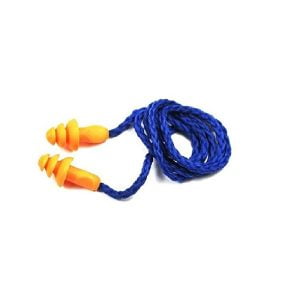
Anzensei AZS43 3M Reusable Ear Plug
Anzensei AZS43 3M Reusable Ear Plug feature soft, hypoallergenic foam and a tapered design to fit comfortably in the earcanal. Equipped with a comfortable, cloth cord to help prevent earplug loss. Soft, corded foam earplugs that conform to the unique shape of each ear for excellent hearing protection and comfort. - Corded for convenience and to prevent loss of earplugs.
Close
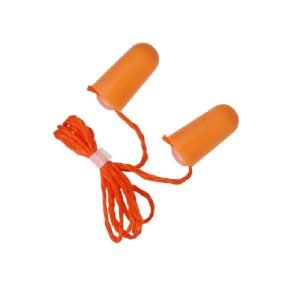
Anzensei AZS42 3M Ear Plug Carded Foam(MOQ of 10 Pcs)
Anzensei AZS42 3M Ear Plug Carded Foam feature soft, hypoallergenic foam and a tapered design to fit comfortably in the earcanal. Equipped with a comfortable, cloth cord to help prevent earplug loss. Soft, corded foam earplugs that conform to the unique shape of each ear for excellent hearing protection and comfort. - Corded for convenience and to prevent loss of earplugs.
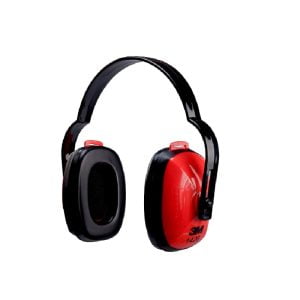
Anzensei AZS44 3M 1426 Ear Muff
Anzensei AZS44 3M 1426 Ear Muff feature soft, hypoallergenic foam and a tapered design to fit comfortably in the earcanal. Equipped with a comfortable, cloth cord to help prevent earplug loss. Soft, corded foam earplugs that conform to the unique shape of each ear for excellent hearing protection and comfort. - Corded for convenience and to prevent loss of earplugs.
Ear Protection FAQs
1. What is ear protection and why is it important?
Ear protection is personal protective equipment (PPE) designed to reduce exposure to hazardous noise levels that can cause hearing damage. It helps protect workers from temporary or permanent hearing loss in environments with loud machinery, equipment, tools, or continuous industrial noise.
2. What types of ear protection are available?
The most common types of ear protection are earplugs and earmuffs, each designed to reduce noise exposure in different work environments. Some models are disposable, reusable, corded, electronic, or designed for use with other PPE such as helmets and face shields.
3. When should hearing protection be worn?
Hearing protection should be worn whenever workers are exposed to noise levels that may damage hearing over time. Industries such as construction, manufacturing, mining, aviation, metalworking, and power generation commonly require hearing protection as part of workplace safety programs.
4. What is the difference between earplugs and earmuffs?
Earplugs fit inside the ear canal, while earmuffs cover the entire outer ear to reduce noise exposure. Earplugs are lightweight and portable, whereas earmuffs are easier to wear for extended periods and provide consistent protection in high-noise environments.
5. How do I choose the right ear protection?
The right ear protection depends on workplace noise levels, comfort requirements, compatibility with other PPE, and duration of use. Factors such as Noise Reduction Rating (NRR), fit, hygiene requirements, and environmental conditions should be considered when selecting hearing protection.
6. What is Noise Reduction Rating (NRR)?
Noise Reduction Rating (NRR) is a measurement that indicates how effectively hearing protection reduces noise exposure. A higher NRR generally provides greater noise reduction, helping employers select appropriate ear protection based on workplace sound levels and risk assessments.
7. Which industries commonly use ear protection?
Ear protection is widely used in industries where workers are exposed to high noise levels. Common sectors include construction, manufacturing, mining, oil and gas, transportation, aviation, heavy engineering, woodworking, and industrial processing facilities.
8. Can ear protection be worn with other PPE?
Yes, ear protection is designed to be compatible with other personal protective equipment used in the workplace. Many earmuffs can be attached to safety helmets, while earplugs can be comfortably worn alongside safety glasses, face shields, respirators, and hard hats.
9. What safety standards should ear protection comply with?
Quality ear protection should comply with recognized hearing protection standards to ensure reliable performance and worker safety. Depending on the market, products may meet standards such as ANSI, EN 352, CE, ISO, or IS certifications for occupational hearing protection.
10. How often should ear protection be replaced?
Ear protection should be replaced when it becomes damaged, worn, contaminated, or no longer provides an effective seal. Regular inspections help identify cracks, hardened cushions, deformed earplugs, damaged headbands, or other issues that could reduce hearing protection performance.

