Your list is empty, add products to the list to send a request









What Fire Extinguisher Is Best for a Home? The Ultimate Guide to Home Fire Safety

07
Jun
| This guide covers every fire extinguisher type for residential use from kitchens and bedrooms to garages with clear size recommendations, placement rules, and expert tips so you can protect your home with confidence. |
| KEY TAKEAWAYS • The best fire extinguisher for home use is an ABC-rated dry chemical model it covers wood, paper, electrical, and most liquid fires in a single unit. • Recommended size for most rooms: 6 kg. Use smaller 2–4 kg units in kitchens, bedrooms, and vehicles for easy handling. • For kitchen grease fires (Class K/F), a dedicated wet chemical extinguisher outperforms standard ABC models never use water on cooking oil fires. • Every extinguisher must be ISI or BIS-certified in India to be compliant; uncertified units may fail inspection or void insurance. • The PASS method (Pull, Aim, Squeeze, Sweep) is the universally recommended technique memorise it before a fire, not during one. |
Why Choosing the Right Home Fire Extinguisher Matters More in 2026
Home fires in India have increased by an estimated 18% since 2022, driven largely by the surge in kitchen appliances, EV charging units, and overloaded power circuits. According to NFPA data, cooking equipment remains the single leading cause of residential fires globally and the first 60 seconds of a fire are the ones that determine whether it stays small or becomes catastrophic.
Yet most households either don’t own a fire extinguisher, or own the wrong type. A CO2 extinguisher kept in the kitchen looks responsible but it’s ineffective on a grease fire. A 1 kg unit on a shelf two rooms away doesn’t help when a fire starts at the stove. In 2026, with homes more electrically dense than ever before, the question isn’t just ‘do you have an extinguisher?’ it’s ‘do you have the right one in the right place?’
This guide answers exactly that, with specific recommendations for every room and fire type. If you’re searching for the best fire extinguisher for home or trying to decide which fire extinguisher is best for home use, you’re in the right place.
Types of Fire Extinguishers for Home: Which Does What?
Before you buy, you need to understand what the letter ratings on fire extinguishers actually mean. Every extinguisher is rated for specific fire classes and using the wrong one can make a fire significantly worse.
| Type | Fire Classes | Agent Used | Best For |
| ABC Dry Chemical | A, B, C | Monoammonium phosphate | General home use — all rooms |
| CO2 | B, C | Carbon dioxide gas | Server rooms, garages, electronics |
| Wet Chemical | A, F/K | Potassium acetate | Kitchen grease fires specifically |
| Water / Water Mist | A | Water | Solid material fires only (no electrics) |
| Foam (AFFF) | A, B | Aqueous film-forming foam | Fuel/liquid spills in garages |
The ABC fire extinguisher for home use: why it’s the default choice
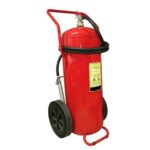
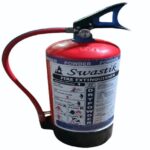
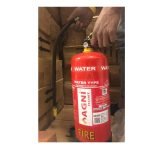
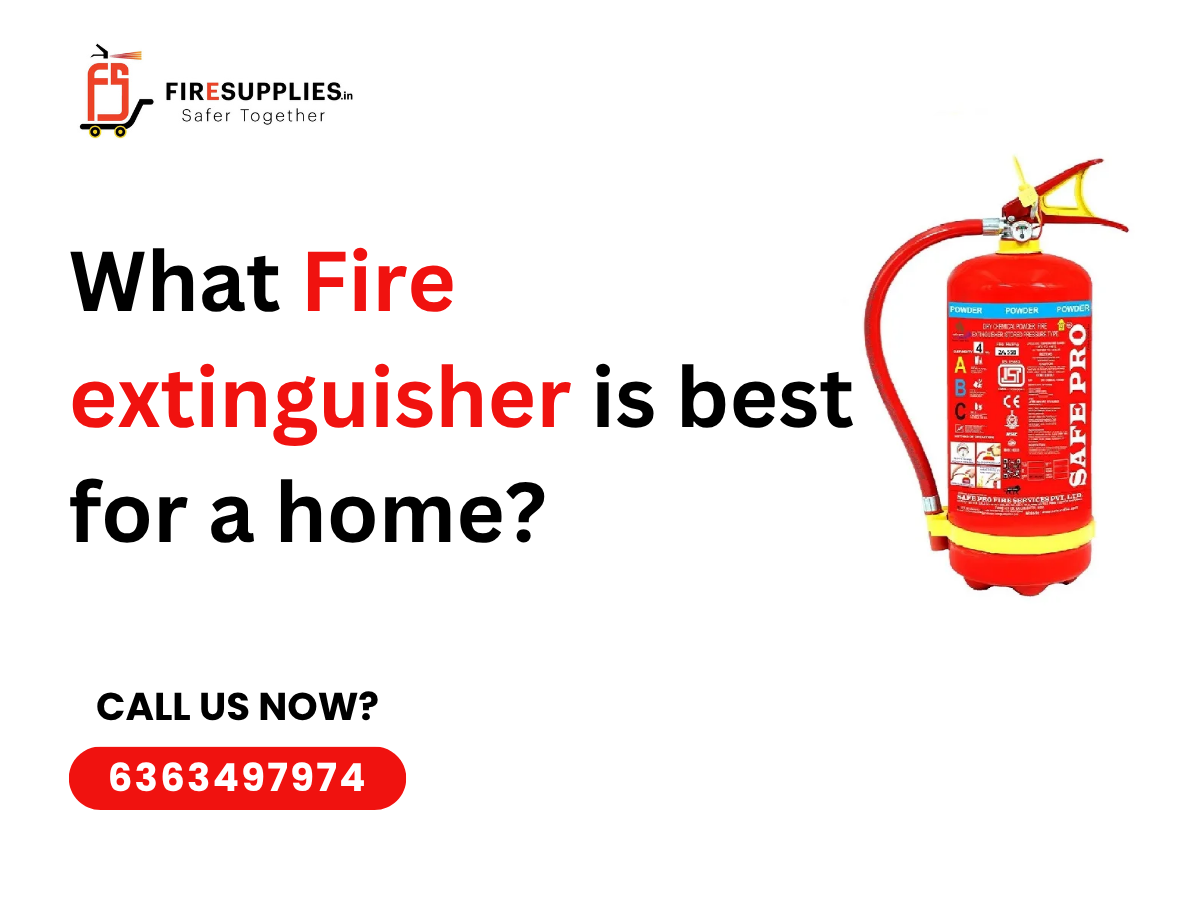
An ABC dry chemical extinguisher is rated for Class A (wood, paper, fabric), Class B (flammable liquids), and Class C (electrical equipment). For a standard home with a mix of furniture, appliances, and cooking equipment, a single ABC model covers the most likely fire scenarios without needing multiple units. The SafePro 6KG ABC extinguisher is one of the best-reviewed models for residential use in India ISI-certified, stored pressure, and rechargeable.
What Size Fire Extinguisher Should I Have in My House?
Size matters but not in the way most people assume. A heavier extinguisher holds more suppressant and can fight larger fires, but it also becomes harder to carry and aim under stress. For home use, the goal is to match the extinguisher weight to the room’s risk level and the physical ability of whoever might use it.
Room by room home fire extinguisher size guide
| Room / Location | Recommended Size | Extinguisher Type | Placement Note |
| Kitchen | 4 kg | ABC or Wet Chemical | Near entrance, NOT above stove |
| Living room | 6 kg | ABC dry chemical | Near main exit door |
| Bedroom | 2 kg | ABC dry chemical | Near bedroom door, accessible |
| Garage / workshop | 6 kg | ABC or CO2 | Near garage entry, away from fuel |
| Home office | 2–4 kg | CO2 or ABC | Near computer/server equipment |
| Vehicle / car | 1–2 kg | ABC dry chemical | Under driver seat or in boot |
The general rule under NBC guidelines: place an extinguisher within 9 metres (30 feet) of any potential fire source. In a single-storey home, one 6 kg ABC extinguisher at the main exit plus a 4 kg unit in the kitchen will cover most scenarios. For multi-storey homes, place at least one unit per floor.
Kitchen Fire Extinguisher: The Most Critical Choice in Your Home
The kitchen is where the majority of home fires start, which makes it the single most important location for the right fire extinguisher. The mistake most households make is buying one standard ABC extinguisher and calling it done. ABC models are good but they have a critical limitation in the kitchen: cooking oil fires (Class F/K).
When cooking oil ignites, it reaches temperatures of 360°C or higher. Dry chemical powder from an ABC extinguisher will knock back the flame momentarily, but it doesn’t cool the oil. The fire can re-ignite within seconds. A wet chemical extinguisher (Class F/K) works differently its potassium acetate solution saponifies the hot oil (turns it into a soap-like layer), simultaneously cooling the fire and sealing it from oxygen. This is why professional kitchens exclusively use wet chemical units, and why homes with a gas hob or deep fryer should have one too.
What NOT to do in a kitchen fire
- Never use water on a cooking oil fire it causes a violent steam explosion
- Never use a CO2 extinguisher on hot oil the gas blast can spread burning oil
- Never place the extinguisher directly above or beside the hob heat degrades it over time
- Always keep a clear path to the exit never position yourself between the fire and the door
For most standard home kitchens: a 4 kg ABC extinguisher near the kitchen entrance covers general Class A and electrical fires. If you have a gas cooker or fry regularly, add a 2 kg wet chemical unit specifically for the hob area.
Fire Extinguisher Buying Guide: 6 Things to Check Before You Buy
With dozens of products available and many unverified listings appearing when you buy fire extinguisher online it’s easy to end up with a substandard product. Here’s exactly what to look for to make sure you’re buying a unit that will actually work in an emergency.
- ISI / BIS Certification – In India, look for the ISI mark and a valid BIS licence number on the label. This is non-negotiable for insurance compliance and confirmed testing. Uncertified products may be cheaper but are untested under real fire conditions.
- ABC Classification – For general home use, always buy ABC-rated. If buying specifically for the kitchen, look for an additional F/K (wet chemical) or confirm Class A+F coverage.
- Stored Pressure Design – Stored pressure extinguishers are more reliable than cartridge-operated for home use they maintain consistent pressure and have a built-in gauge to confirm readiness at a glance.
- Rechargeable vs Disposable – Rechargeable models cost more upfront but are significantly more economical over 10+ years. For a permanent home installation, always choose rechargeable.
- Pressure Gauge in Green – The needle should sit in the green zone at all times. If it drifts to red (too low) or black (too high), the unit needs servicing immediately. Check this monthly.
- Wall Mount Bracket Included – A fire extinguisher kept on the floor or in a cupboard is a fire extinguisher that doesn’t get used. The unit must be wall-mounted at 3.5–5 feet, visible, and accessible. Confirm the bracket is included or purchase one separately.
The SafePro 6KG ABC and 4KG ABC extinguishers from FireSupplies meet all six criteria above, ship across India with ISI certification documentation, and include a wall bracket and installation guide.
Home Fire Extinguisher Maintenance: What Most People Skip
An extinguisher you bought three years ago and never checked is not a fire safety tool it’s a false sense of security. Maintenance is short, simple, and legally required under most commercial insurance policies. For homes, it’s simply good practice that takes about two minutes per month.
Monthly checks (30 seconds, do it yourself)
- Pressure gauge needle is in the green zone
- No visible damage to hose, nozzle, or cylinder body
- Tamper seal and safety pin are intact
- Unit is mounted in the correct location and accessible
Annual professional service
Once a year, a certified fire safety equipment supplier should perform a full inspection: internal pressure check, discharge test on one unit in a batch, hose integrity test, and label/documentation update. This also fulfils requirements for your home insurance fire safety clause. If you’re searching for fire extinguisher service near me, FireSupplies provides certified annual maintenance across Indore and central India.
When to replace entirely
- After any discharge even a partial one
- If the pressure gauge consistently reads low after recharging
- After 10 – 15 years from manufacture date (printed on base)
- If the cylinder shows corrosion, denting, or label damage
How to Use a Fire Extinguisher at Home: The PASS Method
In a fire emergency, you won’t have time to read instructions. The PASS method is a four-step process that every household member above age 10 should memorise before they ever need it.
- P – Pull Pull the safety pin from the handle. This breaks the tamper seal and arms the extinguisher for discharge.
- A – Aim Aim the nozzle LOW at the base of the fire, not at the flames. Targeting the flames is ineffective; you need to attack the fuel source.
- S – Squeeze Squeeze the handle firmly and steadily to release the suppressant. Keep pressure consistent stopping and starting wastes agent.
10.S – Sweep Sweep the nozzle from side to side across the base of the fire until it’s fully extinguished or you’ve emptied the unit.
Important: if the fire grows larger than about 1 metre in height, or you can’t extinguish it within 30 seconds, leave immediately and call emergency services (101 in India). A fire extinguisher is a first response tool, not a substitute for the fire brigade on a large fire.
FAQS About Fire Extinguisher Is Best for a Home
Q: What is the best fire extinguisher for home use in India?
An ABC-rated dry chemical extinguisher is the best all-round choice for most Indian homes. It handles Class A fires (wood, paper), Class B (flammable liquids), and Class C (electrical equipment). For kitchens with gas cookers, add a wet chemical (Class F/K) extinguisher specifically for grease fires. The SafePro 6KG ABC from FireSupplies is ISI-certified and recommended for general home use.
Q: Which fire extinguisher is best for home kitchen use?
For a kitchen, use a 4 kg ABC extinguisher for general fire coverage, plus a 2 kg wet chemical (Class F/K) extinguisher if you cook with oil or have a gas hob. Dry chemical ABC extinguishers can suppress grease fires temporarily, but wet chemical models permanently neutralise the fire by cooling and saponifying the burning oil. Never use water or CO2 on a cooking oil fire.
Q: What size home fire extinguisher do I need?
A 6 kg ABC extinguisher is ideal for living rooms, hallways, and garages. A 4 kg unit suits kitchens and home offices. Bedrooms and vehicles are best served by compact 2 kg models. For multi-storey homes, place at least one extinguisher per floor and within 9 metres of any major appliance or cooking area.
Q: How often should I check my home fire extinguisher?
Inspect your home fire extinguisher monthly: check the pressure gauge is in the green zone, the pin and seal are intact, and the hose shows no cracks. Have the unit professionally serviced once a year by a certified fire safety equipment supplier. Replace the extinguisher after any discharge, after 10–15 years of use, or if the cylinder shows physical damage.
Q: Can I buy a fire extinguisher online and have it delivered?
Yes. FireSupplies ships ISI-certified fire extinguishers across India with proper packaging to maintain pressure integrity during transport. When you buy fire extinguisher online, always verify the ISI certification mark, confirm the product is ABC-rated for home use, and check that the listing includes a valid BIS licence number. Avoid uncertified products that appear cheaper they are untested and may void your home insurance.
| Protect Your Home Before the Smoke Alarm Goes Off The single most important action you can take today: check that your home has at least one ISI-certified ABC extinguisher in a visible, accessible wall-mounted position and if you cook with oil, add a wet chemical unit to your kitchen. Don’t wait for an emergency to discover you have the wrong equipment. Contact Firesupplies. |