
Your list is empty, add products to the list to send a request









Why Hospitals in Nigeria Prefer System Sensor Fire Alarm Devices?

12
Feb
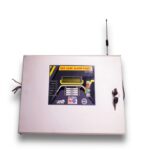
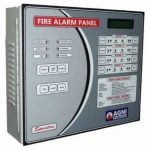
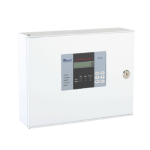
Hospitals cannot afford fire safety failures. In a healthcare environment where patients may be immobile, on oxygen support, or in critical care, even a small delay in detection can be life-threatening. That is why modern Nigeria Fire Alarm Control Panels integrated with System Sensor fire alarm devices have become the preferred solution for hospitals in Nigeria.
If you manage a hospital fire alarm system in Nigeria, your priority is simple: early detection, minimal false alarms, and reliable performance. You also need compliance with fire safety regulations and a system that integrates smoothly with existing infrastructure. This guide explains why hospitals across Nigeria trust System Sensor fire alarm devices, how they work with Fire Alarm Control Panels, and what makes them ideal for healthcare facilities.
By the end, you will understand exactly why these devices are widely used in hospital fire alarm systems in Nigeria and how to select the right components for your facility.
What Are System Sensor Fire Alarm Devices in Hospitals?
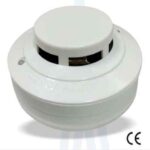
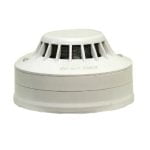
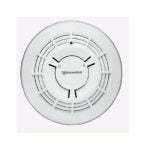
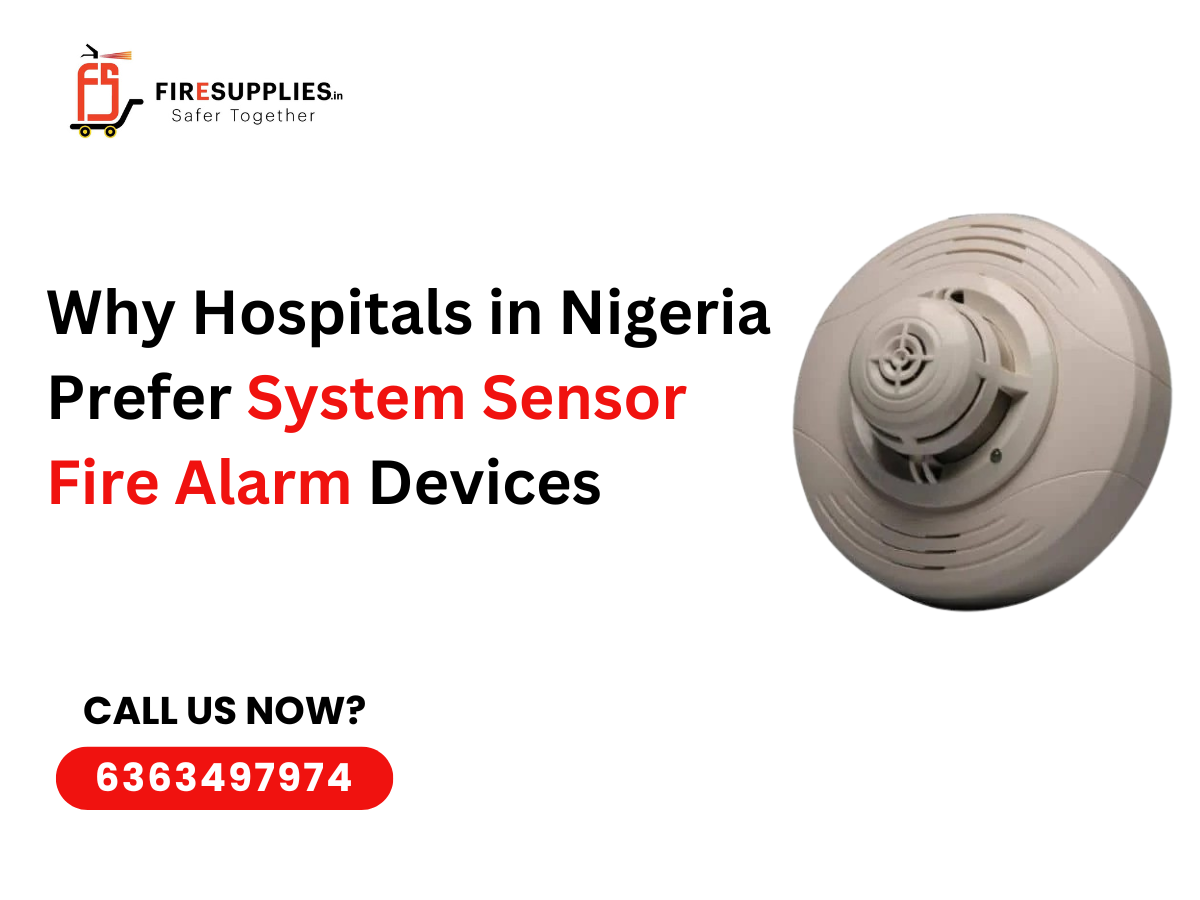
System Sensor fire alarm devices are intelligent smoke detectors, heat detectors, sounders, strobes, and modules designed to work with Fire Alarm Control Panels to detect and communicate fire emergencies quickly and accurately. In hospitals, they form part of a complete fire alarm system for hospitals in Nigeria, providing early warning while minimising disruption to patient care.
In simple terms, these devices detect smoke or heat, send signals to the fire alarm control panel, and trigger alarms or alerts in specific hospital zones. Their reliability and low false alarm rates make them especially suitable for healthcare settings.
Technical Details of System Sensor Devices Used in Hospital Fire Alarm Systems
Below is a simplified technical overview relevant to Nigerian hospitals.
| Feature | Description | Benefit for Hospitals |
| High bandwidth communication | Fast signal transmission to Fire Alarm Control Panels | Quick detection and response |
| Multi-panel synchronisation | Multiple panels work together | Suitable for large hospital campuses |
| Expandable loops | Supports additional detectors as facility grows | Future-proof investment |
| Sounder base output | Integrated audible alert at detector level | Zoned alerts without full evacuation |
| Strobe sync | Synchronized visual alerts | Clear communication in noisy wards |
| Low current consumption | Energy-efficient operation | Reduced power load and longer backup |
| Models: 2351, 1151 | Reliable photoelectric smoke detectors | Ideal for patient rooms & corridors |
| L-Series devices | Advanced sounders and strobes | Effective mass notification |
These features ensure that the hospital fire alarm system Nigeria facilities rely on remains responsive, scalable, and compliant.
Why Hospitals in Nigeria Prefer System Sensor Fire Alarm Devices
1. High Sensitivity with Fewer False Alarms
Hospitals deal with steam, aerosols, and cleaning chemicals daily. Poor-quality detectors may trigger false alarms, causing panic and disruption. System Sensor smoke detector Nigeria models are designed to distinguish between actual smoke and harmless particles. This reduces unnecessary evacuations and protects patient stability.
2.Seamless Integration with Fire Alarm Control Panels
A hospital requires a coordinated response system. System Sensor fire alarm devices integrate efficiently with modern Fire Alarm Control Panels, enabling:
- Zoned alerts
- Controlled evacuation
- Real-time fault monitoring
- System diagnostics
This integration is critical in multi-storey hospitals.
3.Compliance with International Fire Standards
Hospitals must align with recognised fire safety principles. Authoritative bodies such as:
- National Fire Protection Association (NFPA)
- International Organization for Standardization (ISO)
- Local Nigerian State Fire Services
provide guidance on fire alarm systems in healthcare settings.
System Sensor devices are widely recognised for meeting international standards, making compliance easier for Nigerian hospitals.
4.Scalable for Growing Healthcare Facilities
Hospitals expand. New wards, diagnostic centres, and surgical units are added regularly.
Expandable loops and multi-panel sync allow seamless upgrades without replacing the entire fire alarm system for hospitals in Nigeria.
5.Specialised Detection for Sensitive Areas
Different hospital areas require different detection methods:
- Operating theatres
- Intensive Care Units
- Laboratories
- Pharmacy storage
- Electrical rooms
Models like 2351 and 1151 detectors are commonly used in corridors and wards, while L-Series sounders and strobes are ideal for public and emergency notification areas.
Use Cases of System Sensor Fire Alarm Devices in Hospitals
Patient Rooms
Low current detectors with sounder base output allow subtle alerts before full evacuation is triggered.
Corridors and Waiting Areas
L-Series strobes with synchronised flashing ensure visibility and compliance.
Laboratories
Heat detectors are often preferred where smoke detection may cause false triggers.
Server and Electrical Rooms
Advanced detection with integration into Fire Alarm Control Panels ensures immediate notification to facility managers.
Advantages and Limitations
Advantages
- Reliable detection accuracy
- Low false alarm rate
- Easy integration with Fire Alarm Control Panels
- Expandable for large campuses
- Energy-efficient low current design
- Compliance support
Limitations
- Higher upfront investment than basic alarms for house
- Requires professional installation
- Needs routine maintenance
Despite initial costs, the long-term safety benefits outweigh the limitations.
How System Sensor Compares to Basic Alarms for House
Basic alarms for house are designed for small residential environments. They typically operate independently and lack central control features.
Hospitals require:
- Centralised monitoring
- Zoning capabilities
- Integration with suppression systems
- Backup power systems
This is why System Sensor fire alarm system for hospitals is significantly more advanced than domestic alarms.
Short Buying Guide for Hospital Fire Alarm Systems in Nigeria
When selecting System Sensor fire alarm devices in Nigeria, consider:
- Size of the hospital
- Occupancy load
- Critical care areas
- Integration with Fire Alarm Control Panels
- Regulatory requirements
Always work with experienced fire alarm companies near me that understand hospital compliance requirements.
Standards & Certifications for Hospital Fire Alarm Systems in Nigeria
Hospitals must align with recognised standards covering:
- Fire detection systems
- Alarm notification appliances
- Emergency evacuation planning
- System maintenance and testing
Compliance ensures smoother inspections, insurance approval, and operational continuity.
Authoritative guidance includes:
- NFPA healthcare facility recommendations
- ISO fire detection system standards
- Nigerian building and fire codes
Meeting these standards reduces legal and operational risk.
FAQs
1: Why are System Sensor fire alarm devices suitable for hospitals in Nigeria?
System Sensor fire alarm devices are suitable because they provide accurate detection, low false alarms, scalable integration with Fire Alarm Control Panels, and compliance with recognised fire safety standards. They are designed to function effectively in sensitive healthcare environments.
2: Which System Sensor detectors are best for different areas of a hospital?
- 2351 and 1151 smoke detectors – Patient rooms and corridors
- L-Series sounders and strobes – Public areas and evacuation alerts
- Heat detectors – Kitchens and laboratories
- Multi-sensor detectors – High-risk technical rooms
Each detector type addresses specific environmental conditions within a hospital.
3: Are System Sensor fire alarm devices compliant with Nigerian fire safety regulations for hospitals?
Yes. When properly installed and integrated with certified Fire Alarm Control Panels, System Sensor fire alarm devices align with internationally recognised fire safety standards commonly referenced by Nigerian fire authorities.
Protect Your Hospital with the Right Fire Alarm System
Hospitals in Nigeria prefer System Sensor fire alarm devices because they offer accurate detection, low false alarms, and seamless integration with Fire Alarm Control Panels. These systems support zoning, compliance, and scalable expansion, making them ideal for healthcare environments where safety and reliability are critical.
Your hospital cannot afford delays, false alarms, or compliance risks. Choose reliable System Sensor fire alarm devices integrated with advanced Fire Alarm Control Panels to ensure patient safety and regulatory compliance.
Speak with a certified fire safety specialist today to design or upgrade your hospital fire alarm system in Nigeria and protect lives with confidence.

