
Your list is empty, add products to the list to send a request









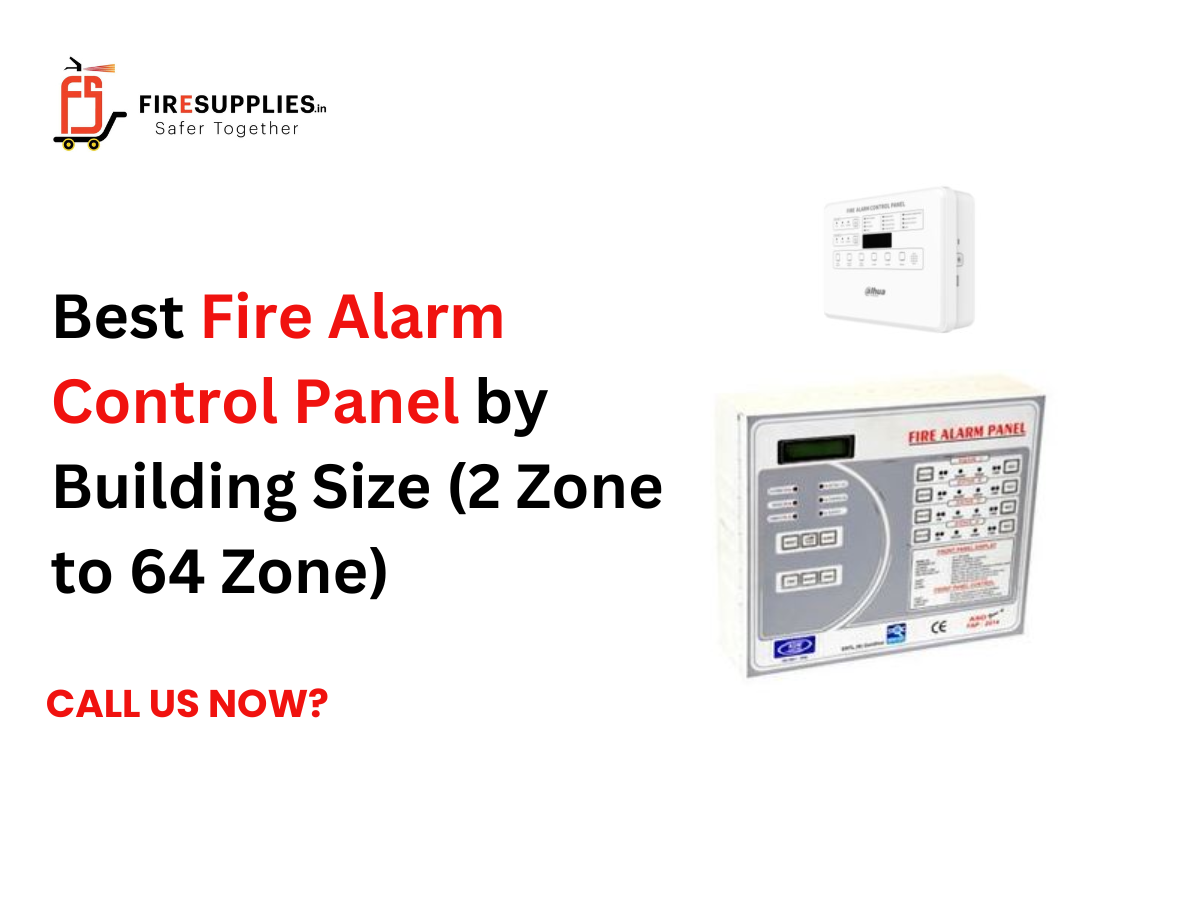
Best Fire Alarm Control Panel by Building Size (2 Zone to 64 Zone)

11
Jul
Choosing the Best Fire Alarm Control Panel by Building Size (2 Zone to 64 Zone) is one of the most important decisions a facility owner, contractor, or safety officer can make. The wrong panel can leave blind spots in fire detection, while an oversized system wastes budget on unused capacity. This guide breaks down fire alarm control panels by zone count, building type, and application, so you can match the right fire alarm system to your specific property, whether it’s a small clinic or a sprawling industrial campus.
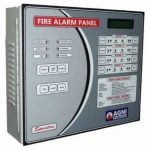
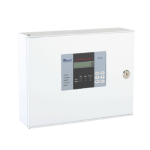
A fire alarm control panel (FACP) is the central brain of any fire protection equipment setup. It receives signals from smoke detectors, heat detectors, and manual call points, then triggers alarms, notifies occupants, and can even interface with sprinkler systems. Selecting the correct panel size, measured in “zones,” directly affects how quickly a fire is detected and how efficiently your building can respond.
What Is a Fire Alarm Control Panel?
A fire alarm control panel is the central monitoring and control unit of a fire alarm system that receives inputs from detection devices such as smoke detectors, heat detectors, and manual call points, then activates alarms, strobes, and hooters to alert occupants of a fire hazard. Panels are categorized by “zones,” which represent distinct areas of a building being monitored. Zone count ranges typically from 2-zone panels for small spaces to 64-zone panels for large, multi-building facilities. The right panel size depends on the building’s square footage, number of floors, occupancy type, and future expansion plans.
Fire Alarm Control Panel Technical Details by Zone
Below is a quick technical comparison to help you evaluate panels across the full range, from compact 2-zone units to large-scale 64-zone systems.
| Zone Size | Panel Type | Bandwidth/Loop Capacity | Multi-Panel Sync | Expandable Loops | Typical Building Size |
| 2 Zone | Conventional Fire Alarm Panel | Low, single-loop | No | Limited | Under 5,000 sq. ft. |
| 4 Zone | Conventional Fire Alarm Panel | Low-medium | No | Limited | 5,000–15,000 sq. ft. |
| 8 Zone | Conventional/Addressable | Medium | Basic | Moderate | 15,000–30,000 sq. ft. |
| 16 Zone | Addressable Fire Alarm Panel | Medium-high | Yes | Good | 30,000–75,000 sq. ft. |
| 32 Zone | Addressable Fire Alarm Panel | High bandwidth | Yes | Excellent | 75,000–200,000 sq. ft. |
| 64 Zone | Industrial Fire Alarm System | High bandwidth, multi-loop | Yes, multi-panel sync | Excellent, fully expandable | 200,000+ sq. ft. / multi-building |
This table highlights why larger facilities need addressable fire alarm panels with multi-panel sync and expandable loops, while smaller premises can rely on simpler conventional fire alarm panels.
Fire Alarm Control Panel Use Cases by Building Size
Matching the panel to the building isn’t just about square footage. It’s about occupancy risk, layout complexity, and growth plans. Here’s how each zone category typically applies.
2 Zone and 4 Zone Fire Alarm Panel: Small Buildings

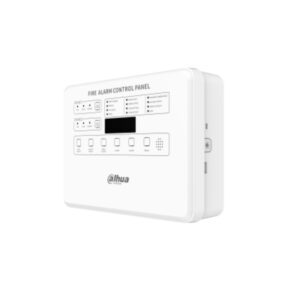
A 2 zone fire alarm panel is ideal for compact spaces with straightforward layouts.
- Small offices and clinics
- Retail shops and cafés
- Small residential buildings
A 4 zone fire alarm panel steps up slightly for properties with a few more rooms or a small second floor, such as boutique restaurants or multi-room clinics.
8 Zone and 16 Zone Fire Alarm Panel: Medium Commercial Buildings


An 8 zone fire alarm panel suits medium-sized commercial buildings with multiple rooms or floors.
- Schools and coaching centres
- Restaurants and banquet halls
- Warehouses and small apartment buildings
- Multi-floor office spaces
A 16 zone fire alarm panel is recommended once a building’s detection needs grow further, commonly seen in:
- Manufacturing plants
- Hotels
- Hospitals
- Shopping centres
32 Zone Fire Alarm Panel: Large Facilities

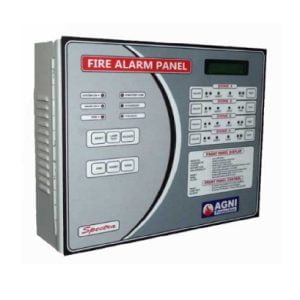
A 32 zone fire alarm panel is built for larger commercial and industrial facilities that need broader coverage across multiple zones simultaneously. Typical applications include educational campuses, logistics facilities, and larger hospital wings where reliable, real-time detection across many areas is critical.
64 Zone Fire Alarm Panel: Large and Multi-Building Facilities
A 64 zone fire alarm panel is designed for extensive properties requiring maximum detection coverage. This is the standard choice for:
- Airports
- Industrial plants
- Universities
- High-rise buildings
- Data centres
- Large commercial complexes
These large-scale deployments almost always rely on an industrial fire alarm system with multi-panel synchronization, since a single panel cannot efficiently cover a sprawling or multi-building footprint alone.
Conventional vs Addressable Fire Alarm Panels: Advantages and Limitations
Understanding the difference between conventional fire alarm panels and addressable fire alarm panels is essential before making a purchase.
Conventional Fire Alarm Panels
Advantages:
- Lower upfront cost
- Simple wiring and installation
- Reliable for small, single-zone layouts
Limitations:
- Cannot pinpoint the exact device that triggered an alarm, only the zone
- Limited scalability for future expansion
- Not ideal for large or complex buildings
Addressable Fire Alarm Panels
Advantages:
- Identifies the exact device or location of a fire event
- Supports large-scale, multi-loop, multi-panel installations
- Easier troubleshooting and maintenance
- Better suited for phased building expansions
Limitations:
- Higher initial investment
- Requires more technical expertise for programming and setup
Buying Guide: How to Choose the Right Fire Alarm Control Panel
Before purchasing fire safety equipment, walk through these steps to avoid costly mistakes.
- Measure your building’s zone requirements. Count distinct areas that need independent monitoring, such as floors, wings, or departments.
- Consider future expansion. If you plan to add floors or buildings, choose a panel with expandable loops rather than a fixed-capacity unit.
- Match the panel type to complexity. Small, simple layouts suit conventional panels; larger or multi-building sites benefit from addressable systems with multi-panel sync.
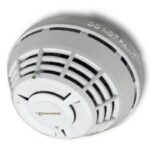
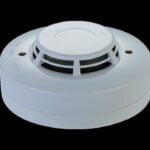
- Check compatible devices. Confirm the panel supports your preferred smoke detectors, heat detectors, manual call points, and hooters & strobes.
- Verify certifications. Only buy panels tested to recognized fire safety standards (see below).
- Buy from a trusted fire safety equipment supplier. This ensures genuine components, installation support, and after-sales service.
If you’re unsure which zone size fits your property, a qualified fire safety equipment supplier can conduct a site assessment and recommend the correct panel, cabling, and accessories.
Standards and Certifications to Look For
When evaluating fire protection equipment, always confirm the panel and its components meet recognized fire safety standards. Reputable manufacturers test their fire alarm control panel ranges against national and international benchmarks such as those published by the National Fire Protection Association (NFPA) and Underwriters Laboratories (UL), which set widely referenced guidelines for fire alarm design, installation, and testing. In India, panels should also comply with relevant Bureau of Indian Standards (BIS) requirements for fire detection and alarm systems. Always ask your supplier for certification documentation before installation.
For further reading on fire alarm system design principles, the NFPA 72 National Fire Alarm and Signaling Code is a widely respected reference point for engineers and safety officers (nfpa.org). The UL also maintains a directory of certified fire alarm equipment worth reviewing during procurement (ul.com).
FAQs About Fire Alarm Control Panel by Building Size
- How do I choose the right fire alarm control panel for my building?
The right fire alarm control panel depends on your building size, occupancy, number of detection zones, and future expansion needs. Smaller buildings often use conventional panels, while larger or more complex facilities typically benefit from addressable systems. - Is a 2-zone fire alarm panel suitable for small buildings?
Yes, a 2-zone fire alarm control panel is ideal for small offices, retail shops, clinics, cafés, and residential buildings with limited fire detection requirements. It provides basic zone-based monitoring and is a cost-effective solution for compact premises. - When should I use a 4-zone or 8-zone fire alarm panel?
A 4-zone or 8-zone panel is suitable for medium-sized commercial buildings with multiple rooms or floors. Typical applications include schools, restaurants, warehouses, apartment buildings, and office spaces where several fire detection zones are required. - Which buildings require a 16-zone or 32-zone fire alarm panel?
A 16-zone or 32-zone fire alarm panel is recommended for larger commercial and industrial facilities that require broader fire detection coverage, including manufacturing plants, hotels, hospitals, warehouses, shopping centres, educational campuses, and logistics facilities. - When is a 64-zone fire alarm control panel the best choice?
A 64-zone fire alarm panel is designed for large or multi-building facilities requiring extensive fire detection coverage. It is commonly used in airports, industrial plants, universities, high-rise buildings, data centres, and large commercial complexes. - Should I choose a conventional or addressable fire alarm panel?
Conventional panels are generally suitable for smaller buildings, while addressable panels are preferred for larger facilities that require precise device identification and simplified maintenance. The best option depends on the building layout, operational requirements, and future scalability. - Can I expand my fire alarm control panel in the future?
Many fire alarm control panels support future expansion by adding additional zones, loops, or compatible devices. Selecting a scalable system can help accommodate building extensions or changing fire protection requirements without replacing the entire panel. - What devices can be connected to a fire alarm control panel?
Fire alarm control panels can support a variety of compatible fire detection and notification devices, including smoke detectors, heat detectors, Manual Call Points (MCPs), sounders and strobes, beam detectors, duct smoke detectors, relay modules, and input/output modules. - How often should a fire alarm control panel be serviced?
Fire alarm control panels should be inspected and tested regularly as part of a preventive maintenance programme. Routine servicing helps identify faults early, verifies system performance, and supports compliance with applicable fire safety standards and manufacturer recommendations. - Where can I buy fire alarm control panels in India?
Fire alarm control panels are available from authorised fire safety equipment suppliers offering conventional and addressable systems for commercial and industrial applications. Purchasing from a trusted supplier helps ensure product compatibility, technical support, installation guidance, and reliable after-sales service.
Get the Right Fire Alarm Control Panel for Your Building Today
Whether you need a compact 2-zone panel for a small office or a fully expandable 64-zone industrial fire alarm system for a large campus, the Ravel RE-9012 to RE-9064 series covers the full range of building sizes with reliable, certified fire fighting products and fire protection equipment. Our range includes conventional and addressable panels, smoke detectors, heat detectors, manual call points, fire alarm hooters & strobes, fire alarm panel parts, fire alarm cables, and fire alarm maintenance tools, everything you need for a complete, compliant fire safety setup.
Contact our fire safety equipment supplier team today for a free site assessment and find the ideal fire alarm control panel for your building.

