
Your list is empty, add products to the list to send a request









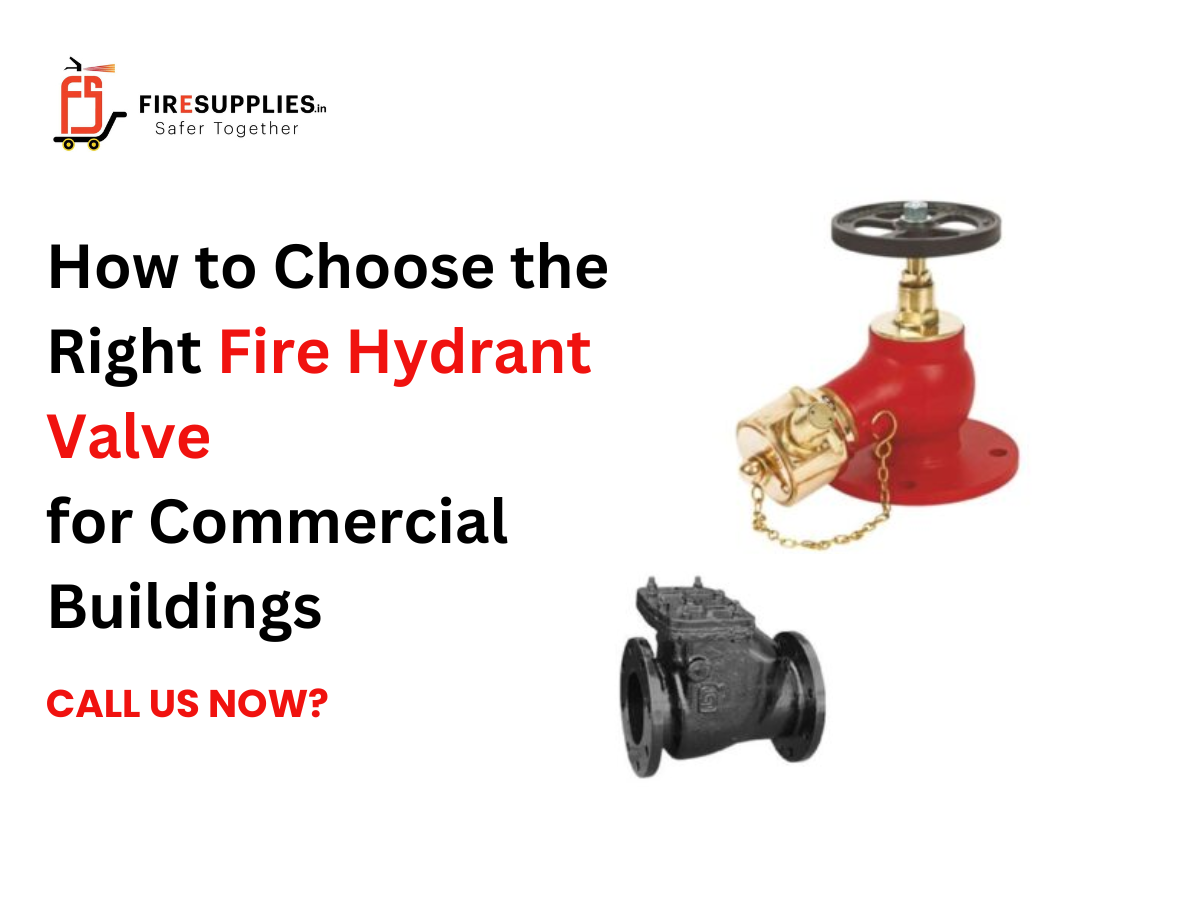
How to Choose the Right Fire Hydrant Valve for Commercial Buildings

16
Jul
Choosing the right fire hydrant valve is one of the most important decisions a facility manager, contractor, or fire safety consultant will make when designing a fire protection system. A poorly selected valve can compromise water flow, reduce pressure at critical moments, and put lives and property at risk. This guide walks you through everything you need to know about how to choose the right fire hydrant valve for commercial buildings, from types and materials to certifications and buying tips, so you can make an informed, safety-first decision.
A fire hydrant valve, also known as a landing valve, is the control point between a building’s fire hydrant system and the fire hose used during an emergency. the right fire hydrant valve for a commercial building is one that matches your system’s pressure rating, pipe size, and local fire code requirements, is made from corrosion-resistant material such as gunmetal or brass, and carries valid ISI or equivalent certification. Getting this combination right ensures firefighters and trained personnel have a dependable, leak-free water supply exactly when it’s needed most.
Whether you manage an office tower, a hospital, a warehouse, or a shopping mall, understanding fire fighting valves, fire hydrant systems, and related fire protection equipment is essential to keeping your building compliant and safe. Below, we break down the key factors that go into selecting the right valve, along with practical buying guidance.
What Is a Fire Hydrant Valve and Why Does It Matter?
A fire hydrant valve is a mechanical device fitted to a fire hydrant system that regulates and directs the flow of water to fire hoses during firefighting operations. It sits at the outlet of the hydrant riser and allows trained personnel to open, close, or adjust water flow quickly and safely.
In commercial buildings, this component is not optional it is a legally mandated part of most fire protection equipment installations. Without a properly functioning hydrant valve, water pressure cannot be controlled effectively, which can delay firefighting response and increase the risk of injury or property damage.
Because commercial buildings often have multiple floors, long pipe runs, and varying water pressure zones, selecting the correct valve type and specification becomes even more critical than in residential settings.
Types of Fire Hydrant Valves for Commercial Buildings
Not all hydrant valves are built the same way, and choosing the wrong configuration can limit the effectiveness of your entire fire hydrant system. Here are the most common types used across commercial and industrial fire protection equipment setups:
- Single Headed Fire Hydrant Valve (Landing Valve) – The most widely used option for internal hydrant systems, offering a single outlet for hose connection.

- Double Headed Fire Hydrant Valve – Provides two outlets, allowing simultaneous use of two hoses, ideal for larger commercial or industrial facilities.

- Oblique Landing Valve – Designed with an angled outlet for easier hose handling in tight spaces.
- Angle Hydrant Valve – Positioned at a right angle to the riser pipe, commonly used in stairwell or shaft installations.
- Screw Down Landing Valve – Operated manually through a screw-down mechanism for precise flow control.
- Flanged Fire Hydrant Valve – Connected via flange fittings, often preferred for high-pressure industrial applications.
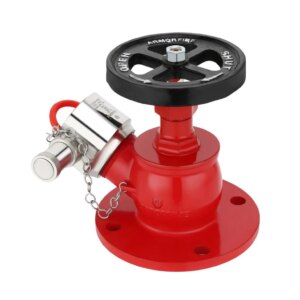
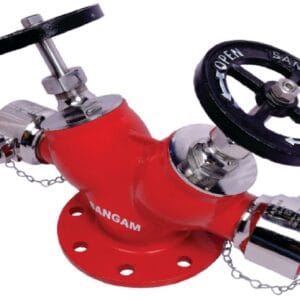
Each of these fire fighting valves serves a specific purpose depending on building layout, occupancy type, and the design of the fire hydrant system as a whole.
Key Factors to Consider When Choosing a Fire Hydrant Valve
1. Material and Construction
The material of your hydrant landing valve directly affects its lifespan, corrosion resistance, and reliability under pressure. The most common materials include:
- Gunmetal Fire Hydrant Valve – Excellent corrosion resistance, widely used in coastal or humid environments.
- Brass Fire Hydrant Valve – Durable, cost-effective, and resistant to rust, suitable for most commercial installations.
- Cast Iron – Economical but less corrosion-resistant, generally used in lower-risk applications.
- Stainless Steel – Premium option offering maximum durability for demanding industrial environments.
For most commercial buildings, gunmetal and brass valves strike the best balance between performance, cost, and longevity.
2. Pressure Rating and Water Flow Requirements
Every fire hydrant system operates within a specific pressure range, and your valve must be rated to handle that pressure safely. Undersized or under-rated valves can fail under stress, while oversized valves may be unnecessarily expensive. Always check your building’s hydraulic calculations, or consult a fire protection engineer, before finalizing valve specifications.
3. Valve Size and Pipe Compatibility
Commercial fire hydrant valves commonly come in sizes such as 63 mm, 65 mm, and 80 mm. The correct size depends on your piping arrangement, the number of hydrant outlets, and the overall design of your fire hydrant systems. Mismatched sizing can create pressure drops that reduce firefighting effectiveness.
4. Certification and Compliance
Always choose a commercial fire hydrant valve that carries recognized certification, such as an ISI mark in India or equivalent international standards. Certified fire fighting products undergo rigorous testing for leak resistance, pressure tolerance, and material quality, giving you confidence that the valve will perform reliably in an emergency.
5. Ease of Operation and Maintenance
Look for valves with smooth handwheel operation, durable seals, and simple maintenance requirements. A valve that is difficult to operate under stress can slow down emergency response, so usability should never be an afterthought.
Technical Specifications Overview
| Feature | Typical Specification | Why It Matters |
| Common Sizes | 63 mm, 65 mm, 80 mm | Must match hydrant riser and hose coupling |
| Material Options | Gunmetal, brass, cast iron, stainless steel | Determines corrosion resistance and lifespan |
| Pressure Rating | Rated per system hydraulic design (PN rating) | Ensures safe operation under system pressure |
| Connection Type | Screwed, flanged, instantaneous coupling | Affects installation and hose compatibility |
| Certification | ISI marked / equivalent standard | Confirms tested safety and quality compliance |
| Operation Type | Screw-down or quarter-turn handwheel | Impacts speed and ease of use during emergencies |
| Application | Indoor and outdoor fire hydrant systems | Determines coating and weatherproofing needs |
Common Applications of Fire Hydrant Valves in Commercial Buildings
Fire hydrant valves and related fire hydrant accessories are used across a wide range of commercial and institutional properties, including:
- Office buildings and corporate parks
- Shopping malls and retail complexes
- Hotels and hospitality venues
- Hospitals and healthcare facilities
- Warehouses and logistics centers
- Manufacturing and industrial plants
- Educational institutions
- High-rise residential and mixed-use buildings
In each of these settings, the fire hydrant valve works alongside other fire protection equipment such as fire hose reels, fire hose cabinets, fire hose pipes, branch pipes and nozzles, fire brigade inlets, and fire pumps to form a complete, code-compliant fire hydrant system.
Advantages and Limitations of Different Valve Types
Advantages:
- Reliable, on-demand water control during emergencies
- Wide availability of sizes and materials to match any building design
- Long service life when properly maintained
- Compatibility with standard fire hose couplings
Limitations:
- Incorrect sizing or material choice can reduce performance over time
- Outdoor installations require additional corrosion protection
- Valves left unmaintained may seize or leak, delaying emergency response
Understanding these trade-offs helps facility managers plan a maintenance schedule alongside their initial valve selection, rather than treating the purchase as a one-time decision.
Buying Guide: How to Choose the Right Fire Hydrant Valve
When shopping for fire hydrant systems and valves, follow these practical steps:
- Assess your building’s fire protection requirements based on occupancy type, height, and local fire codes.
- Confirm pipe size and water pressure with your fire protection engineer or system drawings.
- Select a valve type single headed, double headed, oblique, or angle based on your layout.
- Choose a suitable material, prioritizing gunmetal or brass for most commercial applications.
- Verify certification, ensuring the product is ISI marked or meets an equivalent recognized standard.
- Buy from a reputable fire safety equipment supplier who can provide technical documentation, warranty support, and after-sales service.
- Plan for regular inspection and maintenance once the valve is installed.
Working with an established supplier of fire fighting products ensures you receive genuine, tested components rather than substandard alternatives that could fail when they’re needed most.
Standards and Certifications to Look For
When evaluating fire protection equipment, always confirm that products meet recognized national or international standards. In India, look for ISI-marked fire hydrant valves that comply with relevant Bureau of Indian Standards (BIS) specifications for fire fighting valves. Globally, standards from bodies such as the National Fire Protection Association (NFPA) also guide the design, testing, and installation of hydrant systems.
For further reading on fire protection system design and standards, the National Fire Protection Association (NFPA) publishes widely referenced codes such as NFPA 14 for standpipe and hose systems. The Fire Protection Association (FPA) also offers guidance on fire safety equipment and system maintenance. For India-specific certification details, the Bureau of Indian Standards (BIS) provides information on ISI marking requirements for fire fighting equipment.
FAQs About Fire Hydrant Valves for Commercial Buildings
- What is a fire hydrant valve?
A fire hydrant valve is a critical component of a fire hydrant system that controls the flow of water to fire hoses during firefighting operations. It ensures a reliable water supply, allowing firefighters and trained personnel to respond quickly to fire emergencies. - How do I choose the right fire hydrant valve for a commercial building?
Choose a fire hydrant valve based on your building’s fire protection requirements, water pressure, pipe size, and applicable fire safety standards. Consider valve material, pressure rating, connection type, durability, and compatibility with the hydrant system. - What are the different types of fire hydrant valves?
Fire hydrant valves are available in several configurations to suit different fire protection systems. Common types include landing valves, oblique landing valves, angle hydrant valves, single outlet hydrant valves, double outlet hydrant valves, and screw-down hydrant valves. - Which material is best for a fire hydrant valve?
Fire hydrant valves are commonly manufactured from brass, gunmetal, cast iron, or stainless steel. The ideal material depends on the operating environment, corrosion resistance requirements, water quality, and long-term durability. - What valve size is commonly used in commercial fire hydrant systems? The required valve size depends on the fire hydrant system design and local fire safety requirements. Common commercial hydrant valves are available in sizes such as 63 mm, 65 mm, and 80 mm, depending on the piping arrangement and application.
- What features should I look for in a fire hydrant valve?
A high-quality fire hydrant valve should provide reliable performance and long service life. Important features include corrosion-resistant construction, high-pressure rating, leak-proof sealing, smooth valve operation, a durable handwheel, standard hose connections, and compliance with applicable fire safety standards. - How often should fire hydrant valves be inspected?
Fire hydrant valves should be inspected and tested regularly as part of a preventive fire protection maintenance program. Routine inspections help identify leaks, corrosion, mechanical damage, or operational issues before they affect emergency performance. - Can fire hydrant valves be used outdoors?
Yes, many fire hydrant valves are designed for both indoor and outdoor installations. Outdoor valves should be constructed from corrosion-resistant materials and protected against environmental conditions to ensure dependable operation throughout their service life. - Which commercial buildings require fire hydrant valves?
Fire hydrant valves are essential wherever fixed fire hydrant systems are installed. Typical applications include office buildings, shopping malls, hotels, hospitals, warehouses, manufacturing plants, educational institutions, high-rise buildings, and industrial facilities. - Where can I buy fire hydrant valves in India?
Fire hydrant valves are available from authorized fire safety equipment suppliers offering certified fire protection products for commercial and industrial applications. Purchasing from a trusted supplier ensures product quality, technical support, and compatibility with your fire hydrant system.
Final Thoughts
Selecting the right fire hydrant valve for commercial buildings isn’t just about compliance it’s about ensuring your fire protection equipment performs reliably the moment it’s needed most. By evaluating material, size, pressure rating, and certification, and by sourcing from a trusted fire safety equipment supplier, you can build a fire hydrant system that stands up to real-world emergencies.
Ready to upgrade your building’s fire protection equipment? Contact Firesupplies team today for expert guidance on choosing the right fire hydrant valve, landing valve, or complete fire hydrant system for your commercial property. Get a consultation and quote from our fire safety specialists now.

