
Your list is empty, add products to the list to send a request










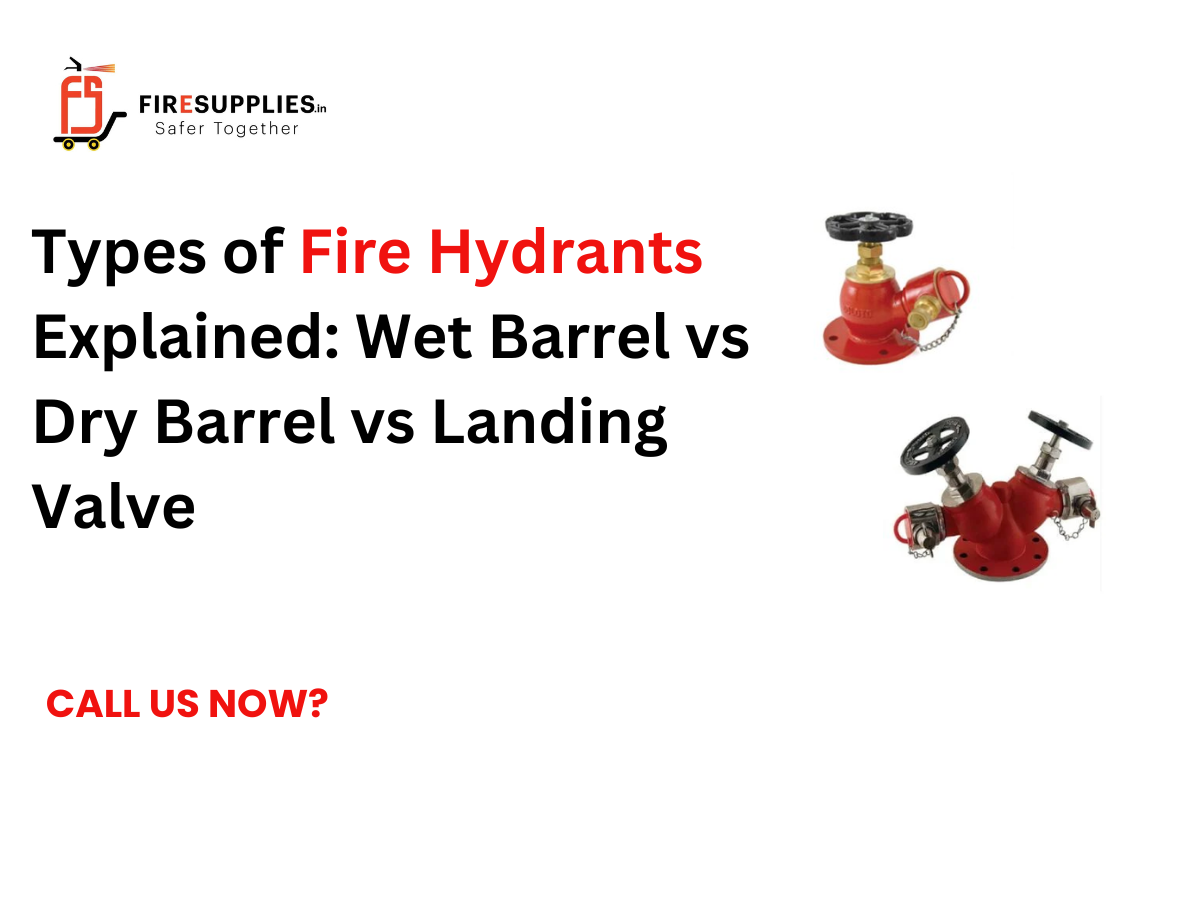
Types of Fire Hydrants Explained: Wet Barrel vs Dry Barrel vs Landing Valve

21
Jul
When it comes to fire safety products, few components are as critical as the humble fire hydrant. Understanding the different fire hydrant types is essential for architects, facility managers, and safety officers who need to select the right fire hydrant system for their property.
Types of Fire Hydrants Explained: Wet Barrel vs Dry Barrel vs Landing Valve is a comparison that every building owner, contractor, and fire protection engineer should understand before installing fire fighting equipment. Each hydrant type is designed for a specific purpose, climate, and installation environment, and choosing the wrong one can compromise your entire fire protection equipment strategy.
In this guide, we break down the three most common hydrant types wet barrel hydrants, dry barrel hydrants, and landing valves so you can make an informed decision for your commercial fire hydrant or industrial fire hydrant needs.
What Is the Difference Between Wet Barrel, Dry Barrel, and Landing Valve Hydrants?
A wet barrel fire hydrant stays filled with water at all times and is used in warm climates. A dry barrel fire hydrant keeps water below the frost line until activated, making it suitable for freezing regions. A landing valve is an internal hydrant valve installed inside buildings on wet or dry riser systems, giving firefighters a controlled water outlet during an emergency. All three are core components of a complete fire hydrant system, but they serve different environments outdoor municipal use versus indoor building fire protection.
What Is a Wet Barrel Fire Hydrant?
A wet barrel fire hydrant is a type of fire hydrant valve that remains permanently filled with water, from the underground water main right up to the outlet nozzles. Because the entire barrel holds water continuously, each outlet is fitted with its own independent operating valve.
This design allows firefighters to open one outlet at a time without affecting water pressure at the other outlets. Wet barrel hydrants are most common in regions with mild or warm climates, where there is little to no risk of the standing water freezing inside the barrel.
Key features of wet barrel hydrants:
- Water is always present in the barrel and outlets
- Each nozzle has an individual shut-off valve
- Faster water access during firefighting operations
- Best suited for non-freezing climates
- Common in municipal and commercial fire hydrant systems in warmer regions
Because the barrel is always pressurized, wet barrel hydrants require regular inspection to check for leaks, corrosion, and valve wear, since any damage can result in a continuous water leak.
What Is a Dry Barrel Fire Hydrant?
A dry barrel fire hydrant is designed for colder climates where temperatures regularly drop below freezing. Unlike the wet barrel version, the main control valve on a dry barrel hydrant sits below the frost line, underground, and the barrel itself stays empty of water until the hydrant is opened.
When firefighters operate the hydrant, the valve stem lowers a valve deep underground, allowing water to travel up through the barrel to the outlet. Once the hydrant is closed, the water drains back out of the barrel through a drain valve, keeping the above-ground section dry and preventing ice formation.
Key features of dry barrel hydrants:
- Water only enters the barrel when the hydrant is in use
- Main valve and drain are located below the frost line
- Prevents freezing and cracking in cold weather
- Requires a single-outlet operation sequence in most designs
- Widely used across municipal fire fighting equipment networks in temperate and cold regions
Because dry barrel hydrants have a below-ground drain system, proper drainage and soil conditions are essential; poor drainage can trap water in the barrel and defeat the anti-freeze design.
What Is a Landing Valve?
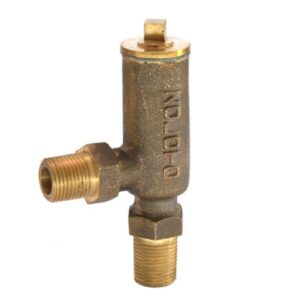
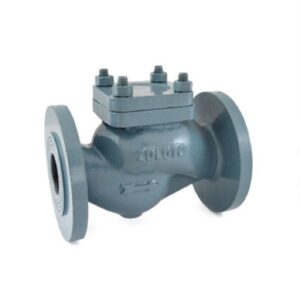
A landing valve is a manually operated hydrant valve installed inside buildings as part of an internal fire hydrant system typically connected to a wet riser or dry riser pipe network. Unlike wet and dry barrel hydrants, which are external, underground-connected fixtures, a landing valve is mounted on a wall or riser at each floor level of a building.
During a fire emergency, firefighters connect a hose to the landing valve outlet, open the valve, and draw water directly from the building’s internal riser system. This makes the hydrant landing valve one of the most important pieces of fire protection equipment in high-rise and commercial construction.
Key features of landing valves:
- Installed indoors on wet riser or dry riser pipework
- Manually operated by firefighters or trained personnel
- Provides floor-by-floor firefighting water access
- Available in single-headed and double-headed configurations
- Essential fire safety equipment for high-rise and commercial buildings
Landing valves are frequently paired with other internal fire fighting valves, a fire hose reel, and a fire hose cabinet to create a complete in-building firefighting station.
Technical Comparison Table
| Feature | Wet Barrel Hydrant | Dry Barrel Hydrant | Landing Valve |
| Installation | Outdoor, municipal/commercial | Outdoor, municipal/commercial | Indoor, riser-connected |
| Water Presence | Always full of water | Empty until activated | Water present when riser is charged |
| Climate Suitability | Warm, non-freezing regions | Cold, freezing regions | Climate-independent (indoor) |
| Valve Location | At each outlet nozzle | Below frost line, underground | At the valve body itself |
| Operation | Multiple independent outlets | Single main control valve | Manually opened per floor |
| Typical Use | Municipal & commercial fire hydrant system | Municipal & industrial fire hydrant system | Commercial and high-rise buildings |
| Connects To | Underground water main | Underground water main | Wet riser / dry riser pipework |
| Common Pairing | Fire hose pipe, branch pipe & nozzle | Fire hose pipe, branch pipe & nozzle | Fire hose cabinet, fire hose reel |
Use Cases and Applications
Each hydrant type is matched to a specific application based on climate, building design, and firefighting requirements.
Wet barrel hydrants are typically used in:
- Municipal water supply networks in warm-climate cities
- Commercial complexes with outdoor hydrant access
- Industrial parks requiring rapid multi-outlet water access
Dry barrel hydrants are typically used in:
- Cities and towns with seasonal freezing temperatures
- Municipal fire protection equipment networks in cold regions
- Industrial fire hydrant installations exposed to harsh winters
Landing valves are typically used in:
- Commercial buildings
- High-rise apartments
- Shopping malls
- Hotels
- Hospitals
- Industrial facilities
- Warehouses
- Office complexes
Advantages and Limitations
Wet Barrel Hydrant
- Advantage: Instant water access with no delay
- Advantage: Multiple outlets can operate independently
- Limitation: Risk of freezing in cold climates
- Limitation: Continuous water leaks are harder to detect
Dry Barrel Hydrant
- Advantage: Freeze-resistant design suited to cold weather
- Advantage: Reduced risk of water damage when idle
- Limitation: Slight delay before water reaches the outlet
- Limitation: Requires proper underground drainage
Landing Valve
- Advantage: Provides direct firefighting access on every floor
- Advantage: Works with both wet riser and dry riser systems
- Limitation: Depends on the building’s internal water supply and pump system
- Limitation: Requires trained operation during an emergency
Buying Guide: Choosing the Right Fire Hydrant or Landing Valve
Selecting the right fire hydrant system or landing valve comes down to a few practical factors:
- Climate: Choose dry barrel hydrants for freezing regions and wet barrel hydrants for warmer climates.
- Building type: High-rise and commercial buildings typically require landing valves connected to a riser system.
- Water supply and pressure: Confirm the available pressure rating matches the hydrant valve specification.
- Connection size and outlet type: Match outlet sizes with your existing fire hose pipe, RRL hose pipe, and branch pipe & nozzle equipment.
- Certifications: Always select equipment tested against recognized fire safety equipment supplier standards.
- Ease of maintenance: Look for hydrant valves and landing valves that are simple to inspect, test, and service.
Working with an experienced fire safety equipment supplier ensures your fire hydrant, landing valve, and related fire fighting equipment are correctly matched to your building’s fire protection equipment plan, from the fire brigade inlet down to the fire extinguisher stations on each floor.
Standards and Certifications
Fire hydrants, hydrant valves, and landing valves used in commercial and industrial settings should comply with recognized national and international fire safety standards covering material specification, pressure ratings, and testing procedures. Look for products certified under relevant Bureau of Indian Standards (BIS) codes or equivalent international standards, along with third-party testing certifications, to ensure the equipment performs reliably under real firefighting conditions. Always verify certification documentation with your fire safety equipment supplier before installation.
For further technical reference, organizations such as the National Fire Protection Association (NFPA) and International Fire Code resources publish detailed guidelines on hydrant design, spacing, and maintenance that are widely referenced across the fire protection equipment industry. The Fire Industry Association also offers useful technical guidance on riser systems and landing valve installation practices.
FAQs About Wet Barrel, Dry Barrel, and Landing Valve Fire Hydrants
- What are the main types of fire hydrants?
The three common types of fire hydrants are wet barrel hydrants, dry barrel hydrants, and landing valves. Each is designed for specific climates, fire protection systems, and firefighting applications in commercial, industrial, and municipal environments. - What is a wet barrel fire hydrant?
A wet barrel fire hydrant is a hydrant that remains filled with water at all times. Each outlet has its own operating valve, making it ideal for regions where freezing temperatures are not a concern and quick access to water is essential. - What is a dry barrel fire hydrant?
A dry barrel fire hydrant keeps water below ground level until the hydrant is activated. This design prevents water from freezing inside the hydrant, making it the preferred choice for regions that experience cold or freezing weather. - What is a landing valve?
A landing valve is a manually operated hydrant valve installed on wet riser or dry riser systems inside buildings. It provides a controlled water outlet for firefighters to connect fire hoses during an emergency and is commonly used in commercial and high-rise buildings. - Where are landing valves commonly installed?
Landing valves are installed as part of internal fire hydrant systems in buildings. Typical applications include commercial buildings, high-rise apartments, shopping malls, hotels, hospitals, industrial facilities, warehouses, and office complexes. - What is the difference between a wet barrel hydrant and a landing valve?
A wet barrel hydrant is an external municipal fire hydrant connected to the water supply, while a landing valve is an internal building fire protection component connected to a riser system. Both provide firefighting water, but they serve different installation environments. - Which type of fire hydrant is commonly used in India?
Landing valves are widely used in Indian commercial and industrial buildings as part of internal fire hydrant systems. External municipal hydrants may vary by local infrastructure, while wet and dry barrel hydrants are selected based on regional requirements and climate. - How often should fire hydrants and landing valves be inspected?
Fire hydrants and landing valves should be inspected, tested, and maintained regularly as part of a preventive fire protection maintenance program. Routine inspections help identify leaks, corrosion, damaged components, and operational issues before an emergency occurs. - What should I consider when choosing a fire hydrant or landing valve?
Choose a hydrant or landing valve based on the building type, water supply system, pressure rating, connection size, applicable fire safety standards, and environmental conditions. Selecting certified equipment ensures reliable performance during firefighting operations. - Where can I buy fire hydrants and landing valves in India?
Fire hydrants, landing valves, and hydrant accessories are available from authorized fire safety equipment suppliers offering certified fire protection products for commercial and industrial applications. Buying from a trusted supplier ensures product quality, technical support, and compatibility with your fire hydrant system.
Explore Our Fire Protection Equipment Range
Whether you need a fire hydrant valve, a landing valve, a fire hose cabinet, an RRL hose pipe, a fire hose reel, or a branch pipe & nozzle, our range of certified fire fighting equipment is built to keep your building compliant and protected. Browse our complete collection of Fire Hydrant Systems, Landing Valves, Fire Fighting Valves, Fire Hose Reels, Fire Hose Cabinets, Fire Brigade Inlets, Fire Pumps, and Fire Extinguishers to build a complete fire protection equipment plan for your property.
Ready to upgrade your fire hydrant system? Get in touch with our team today for expert guidance, product recommendations, and a free consultation on the right wet barrel hydrant, dry barrel hydrant, or landing valve for your building. Contact Firesupplies now to request a quote and safeguard your property with certified fire safety equipment.

