
Your list is empty, add products to the list to send a request
















How Does a Ravel Conventional Fire Alarm System Differ from an Addressable System?


29
Aug
Fire alarm systems are essential for protecting lives and property. But when choosing the right solution, many people face a key question: what is the difference between a conventional system and an addressable system?
A Ravel conventional fire alarm system is one of the most trusted choices for small to medium-sized buildings, but addressable systems are often recommended for larger or more complex premises. Understanding how they differ will help you make the right decision for your fire safety needs.
In this article, you’ll learn how both systems work, their strengths and weaknesses, and which one is most suitable for your building.
What Is a Conventional Fire Alarm System?
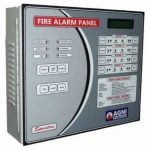
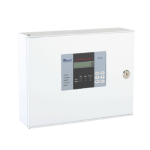
A conventional fire alarm system, such as the Ravel RE-104R 4 Zone Panel, divides a building into zones. Each zone represents a specific area, like offices, corridors, or storage rooms.
When a detector or manual call point in a zone is activated, the control panel shows the zone in alarm. This allows responders to know the general location of the fire but not the exact device that triggered it.
Key features of a conventional fire alarm system:
- Uses wiring circuits to connect detectors and call points.
- Identifies fire location by zone, not by device.
- Cost-effective and simple to install.
- Suitable for smaller premises.
What Is an Addressable Fire Alarm System?
An addressable fire alarm system takes fire detection one step further. Each device — whether a detector, call point, or sounder — has a unique digital address.
When a fire alarm is triggered, the panel displays not just the zone but the exact device and its location. This allows for faster response times and more precise fire management.
Key features of an addressable fire alarm system:
- Each device has a digital address.
- Pinpoints the exact detector in the alarm.
- Ideal for large or complex buildings.
- Easier fault-finding and monitoring.
Conventional vs Addressable: Key Differences
Here’s a breakdown of how a Ravel conventional fire alarm system compares with an addressable one:
| Feature | Conventional Fire Alarm (Ravel) | Addressable Fire Alarm |
| Identification | Shows fire by zone only | Identifies the exact device |
| Cost | Lower cost, affordable | Higher initial investment |
| Installation | Simpler wiring, easier setup | Requires more complex cabling |
| Suitability | Small to medium buildings | Large, complex sites |
| Maintenance | Straightforward checks | Advanced diagnostics |
| Scalability | Limited to fixed zones | Highly scalable |
Advantages of a Ravel Conventional Fire Alarm System
Many businesses and institutions choose conventional panels because of their simplicity and reliability.
- Affordable fire safety – Lower upfront cost compared to addressable systems.
- Ease of use – Simple interface, ideal for staff with minimal training.
- Quick installation – Less complex cabling requirements.
- Proven technology – Time-tested and trusted in thousands of installations.
- Best for smaller premises – Offices, schools, shops, and warehouses.
Limitations of Conventional Fire Alarm Systems
While cost-effective, conventional systems do have limits.
- No pinpoint accuracy – They show zones, not specific devices.
- Less scalable – Limited number of zones compared to addressable systems.
- More cabling – Requires separate circuits for detectors and sounders.
If your building is large or has multiple floors, an addressable system may provide better control and monitoring.
When Should You Choose a Conventional Fire Alarm System?
A Ravel conventional fire alarm system is most suitable when:
- The building has four to eight zones or fewer.
- You need a cost-effective fire safety solution.
- The layout is straightforward, like schools, shops, or small offices.
- You require a proven and reliable system without advanced features.
When Should You Choose an Addressable Fire Alarm System?
An addressable fire alarm system is the right choice if:
- The building is large or complex (e.g., hospitals, airports, universities).
- You need detailed monitoring of individual devices.
- You require scalability for future expansion.
- Fire safety regulations in your region demand advanced detection.
Testing and Maintenance
Both systems require regular testing to remain compliant.
Conventional systems:
- Weekly test of call points (rotate zones).
- Quarterly inspection of cabling and batteries.
- Annual full system check.
Addressable systems:
- Automated diagnostics make fault detection easier.
- Still require regular professional servicing.
Frequently Asked Questions
1. What is the difference between addressable and conventional systems?
A conventional system shows the fire by zone, while an addressable system identifies the exact device in alarm. Addressable systems are more precise and scalable, but conventional systems are more cost-effective.
2. What are the advantages of conventional fire alarm systems?
- Affordable and reliable.
- Simple installation and operation.
- Ideal for smaller buildings.
- Proven technology with fewer complexities.
Final Thoughts
The choice between a Ravel conventional fire alarm system and an addressable system depends on your building size, complexity, and budget. For small to medium premises, conventional panels offer affordability and simplicity. For larger or complex buildings, addressable systems provide precision and scalability.
If you’re looking for a trusted option, the Ravel RE-104R 4 Zone Conventional Fire Alarm Control Panel is a reliable and cost-effective choice for effective fire protection.
Secure your building today with the right fire alarm system. Explore Ravel conventional fire alarm systems and safeguard what matters most.

