
Your list is empty, add products to the list to send a request












Close
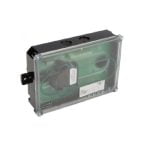
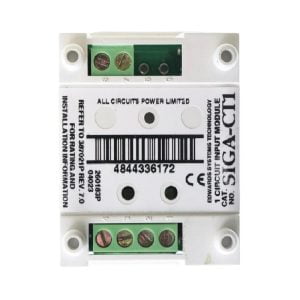
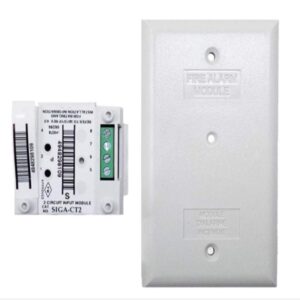
Edward SIGA-CT1 Addressable Monitor Module
Edwards EST SIGA-CT1 Single Input ModuleThe Edwards / EST SIGA-CT1 Single Input Module is an intelligent analog addressable device used to connect one Class B normally-open Alarm, Supervisory, or Monitor type dry contact Initiating Device Circuits (IDC). The Signature Series modules are compatible only with ESTs Signature Loop Controller. CT1 is an analog addressable device used to connect a Class B normally-open Alarm, Supervisory, or Monitor type dry contact Initiating Device Circuit (IDC) to a Signature Loop Controller. One (1) Device is required. Models SIGA-CT1 Features - MULTIPLE APPLICATIONS Including Alarm, Alarm with delayed latching (retard) for waterflow applications, Supervisory, and Monitor.
Close
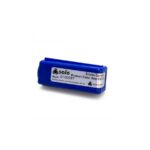
Edward SIGA-CT2 Dual Input Module
The SIGA-CT2 Dual Input Module is an addressable device
that is used to connect one or two Class B, normally open,
alarm, supervisory, or monitor type dry contact initiating device
circuits (IDCs) to a Signature loop controller.
The module can be used for alarm, supervisory, or monitor
type applications depending on the personality code assigned
to it. The personality code downloaded to the module by the
loop controller during system configuration determines the
module’s function.
Close
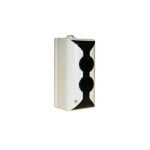
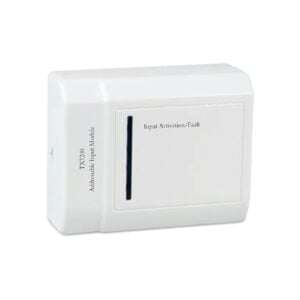
TNA Addressable Input Module
EN54-18 Compliance. LPCB Pending. Built-in MCU processor and digital addressing. Fire or Supervisory signal configuration. Input cable monitored. Normally open configuration. LED status indicator. Loop powered device. Aesthetically pleasing design. Surface mounting with fix base for simple installation.
Close
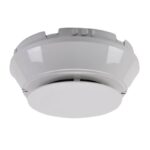
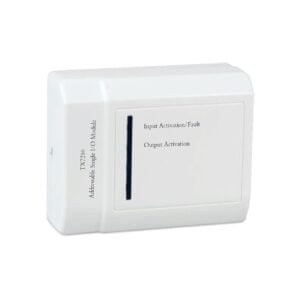
TNA Addressable Single Input/output Module
EN54-18:2005 Compliance. LPCB Approved. Built-in MCU processor and digital addressing. 24Vdc/3A Output relay contact and Control module. Input Fire or Supervisory signal configuration. LED status indicator. Onsite Adjustable Parameter. Loop or external power input. Aesthetically pleasing design. Surface mounting with fix base for simple installation.
Address Modules FAQs
1. What is an address module in a fire alarm system?
An address module is an intelligent device used in addressable fire alarm systems to connect and monitor external devices such as detectors, switches, relays, and control equipment. It helps identify the exact location of alarms or faults within the system.
2. How do address modules work in fire alarm systems?
Address modules communicate with the fire alarm control panel through a signaling loop circuit (SLC). Each module has a unique address, allowing the system to monitor and control connected devices individually.
3. Why are address modules important in fire safety systems?
Address modules improve fire safety by providing precise device identification, faster fault detection, and better system control. They help emergency teams quickly locate alarms and reduce response time during emergencies.
4. What are the different types of address modules?
Common types include input modules, output modules, relay modules, monitor modules, and isolation modules. Each type performs specific functions like monitoring devices, controlling equipment, or isolating faults.
5. What is the difference between input and output address modules?
Input modules monitor external devices like switches and detectors, while output modules control equipment such as fans, dampers, elevators, and alarms connected to the fire alarm system.
6. Where are address modules commonly used?
Address modules are widely used in commercial buildings, hospitals, hotels, factories, malls, and industrial facilities where intelligent fire alarm systems require precise monitoring and control.
7. What is an isolation module in a fire alarm system?
An isolation module protects the fire alarm loop by separating faulty or short-circuited sections. This ensures the remaining devices continue operating normally during a fault condition.
8. Can address modules integrate with third-party systems?
Yes, address modules can integrate with HVAC systems, elevators, access control systems, fans, and emergency shutdown systems to automate safety responses during fire emergencies.
9. How often should address modules be tested and maintained?
Address modules should be inspected and tested during routine fire alarm maintenance, typically every 6–12 months, to ensure proper communication and reliable operation.
10. How can I purchase address modules or get installation support?
You can explore a wide range of address modules and fire alarm accessories from Fire Supplies. Their team can assist with product selection, bulk orders, pricing, and professional installation support.

