
Your list is empty, add products to the list to send a request








Close
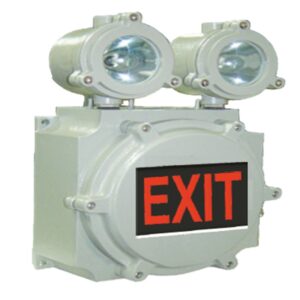
Prolite – PEL LED LML FP Flame Proof Emergency Light
The Prolite PEL LED LML FP Flame Proof Emergency Light is a high-performance safety lighting solution engineered for hazardous and
Close
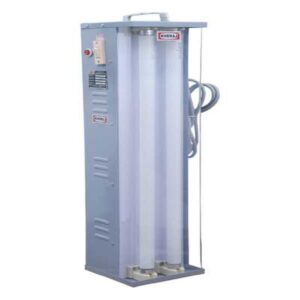
Kheraj Flourescent Emergency Lights, 2 Ft. Double LED Tube, Without Battery – ELT-22 (LED)
Provides Bright Light. Double LED Tube. Flourescent LED Tube Light. Without Battery. Wire and 2 Pin Plug top.

Close
Kheraj Flourescent Emergency Lights, 2 Ft. Double LED Tube, With Battery – ELTB-22 (LED)
Provides Bright Light. Double LED Tube. Flourescent LED Tube Light. With Battery. Wire and 2 Pin Plug top.

Close
Kheraj Flourescent Emergency Lights, 2 Ft. Double Tube, Without Battery – ELT-22
Provides Bright Light. Double Tube. Flourescent Tube Light. Without Battery. Wire and 2 Pin Plug top.

Close
Kheraj Flourescent Emergency Lights, 2 Ft. Double Tube, With Battery – ELTB-22
Provides Bright Light. Double Tube. Flourescent Tube Light. With Battery. Wire and 2 Pin Plug top.
Close
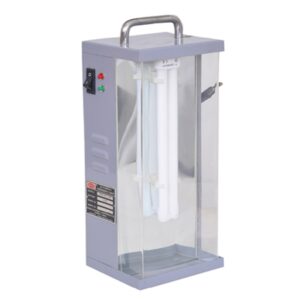
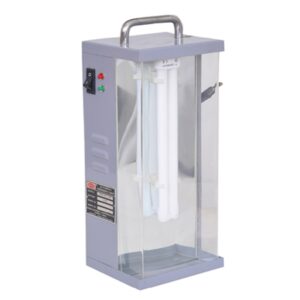
Kheraj Flourescent Emergency Lights, 2 Ft. Single LED Tube, Without Battery – ELT-2 (LED)
Provides Bright Light. Single LED Tube. Flourescent LED Tube Light. Without Battery. Wire and 2 Pin Plug top.
Close
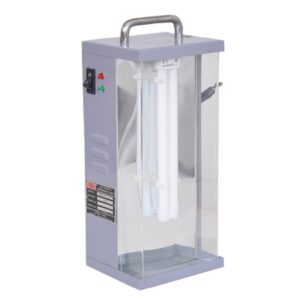
Kheraj Flourescent Emergency Lights, 2 Ft. Single LED Tube, With Battery – ELTB-2 (LED)
Provides Bright Light. Single LED Tube. Flourescent LED Tube Light. With Battery. Wire and 2 Pin Plug top.
Close
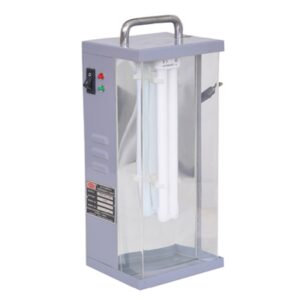
Kheraj Flourescent Emergency Lights, 2 Ft. Single Tube, Without Battery – ELT-2
Provides Bright Light. Single Tube. Flourescent Tube Light. Without Battery. Wire and 2 Pin Plug top.
Close
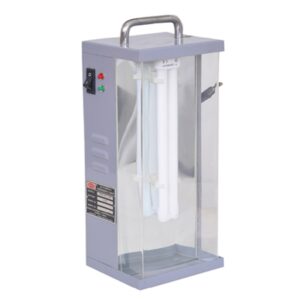
Kheraj Flourescent Emergency Lights, 2 Ft. Single Tube, With Battery – ELTB-2
Provides Bright Light. Single Tube. Flourescent Tube Light. With Battery. Wire and 2 Pin Plug top.
Close
Kheraj Flourescent Emergency Lights, 1 Ft. Single LED Tube, Without Battery – ELT-1 (LED)
Provides Bright Light. Single LED Tube. Flourescent LED Tube Light. Without Battery. Wire and 2 Pin Plug top.

Close
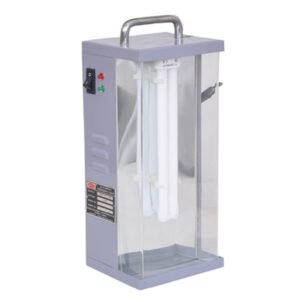
Kheraj Flourescent Emergency Lights, 1 Ft. Single LED Tube, With Battery – ELTB-1 (LED)
Provides Bright Light. Single LED Tube. Flourescent LED Tube Light. With Battery. Wire and 2 Pin Plug top.
Close
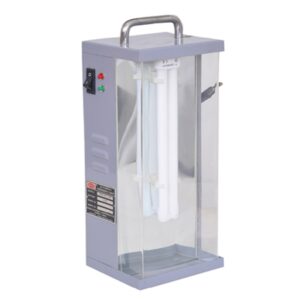
Kheraj Flourescent Emergency Lights, 1 Ft. Single Tube, Without Battery – ELT-1
Provides Bright Light. Single Tube. Flourescent Tube Light. Without Battery. Wire and 2 Pin Plug top.
Close
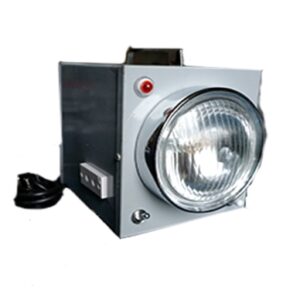
Kheraj Flourescent Emergency Lights, 1 Ft. Single Tube, With Battery – ELTB-1
Provides Bright Light. Single Tube. Flourescent Tube Light. With Battery. Wire and 2 Pin Plug top.
Close
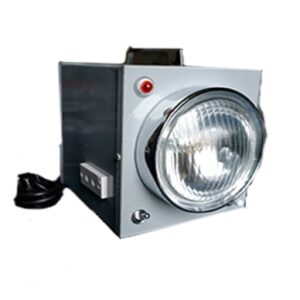
Kheraj Extension Lamp, Mini Bulb Model, Without Battery – ELM
Provides Bright Light. Complete with Bulb, Wire and 2 Pin Plug top.
Close
Kheraj Extension Lamp, Mini Bulb Model, With Battery – ELMB
Provides Bright Light. Complete with Bulb, Wire and 2 Pin Plug top.
Close
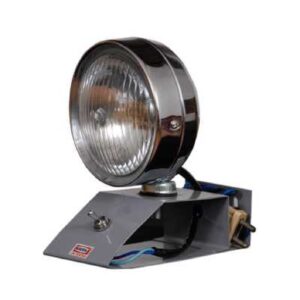
Kheraj Extension Lamp, Mini Bulb Model – ELX (MOQ-2Pcs)
Provides Bright Light. Complete with Bulb, Wire and 2 Pin Plug top.
Close
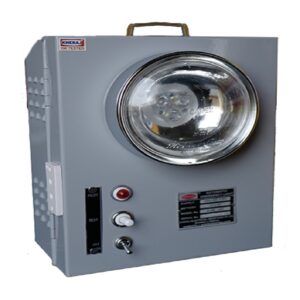
Kheraj Automatic Portable Emergency Light, Bulb Model, Without Battery – ELB (BULB)
Fully Automatic. Portable. 18 W Lamps. Magnetic Relay. Provides Bright Light.
Close
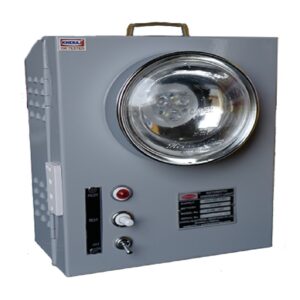
Kheraj Automatic Portable Emergency Light, Bulb Model, With Battery – ELBB (BULB)
Fully Automatic. Portable. Battery of 6V. 18 W Lamps. Magnetic Relay. Provides Bright Light. Battery Charging Circuit.
Close
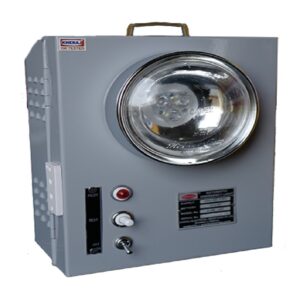
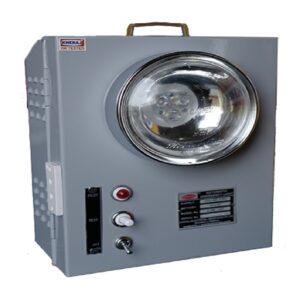
Kheraj Automatic Portable Emergency Light, LED Model, Without Battery – ELB (LED)
Fully Automatic. Portable. 18 W Lamps. Magnetic Relay. Provides Bright Light.
Close
Kheraj Automatic Portable Emergency Light, LED Model, With Battery – ELBB (LED)
Fully Automatic. Portable. Battery of 6V. 18 W Lamps. Magnetic Relay. Provides Bright Light. Battery Charging Circuit.
Emergency Lights FAQs
1. What are emergency lights and how do they work?
Emergency lights are backup lighting systems that automatically turn on during power failures. They use battery or backup power to illuminate escape routes, exits, and critical areas, ensuring safe evacuation during emergencies.
2. Why are emergency lights important for fire safety?
Emergency lights provide visibility during power outages or fires, helping people safely exit buildings. They reduce panic and accidents by clearly illuminating escape paths and exits.
3. Where should emergency lights be installed?
Emergency lights should be installed along escape routes, staircases, corridors, exit doors, and high-risk areas. Proper placement ensures continuous visibility and safe evacuation during emergencies.
4. What are the different types of emergency lights?
Common types include maintained lights (always on), non-maintained lights (activate during power failure), and combined lights. There are also escape route lights, open-area lights, and high-risk task lights.
5. Do emergency lights work during power failures?
Yes, emergency lights are designed to work during power outages. They automatically switch to battery backup and provide illumination for 1–3 hours, depending on system design.
6. How often should emergency lights be tested?
Emergency lights should be tested monthly for functionality and annually for full-duration performance. Regular testing ensures they work properly during emergencies.
7. What causes emergency lights to fail?
Common causes include battery failure, poor maintenance, wiring issues, or expired components. Regular servicing and timely replacement help maintain reliable performance.
8. Are emergency lights mandatory in buildings?
Yes, emergency lighting is required in most commercial, industrial, and public buildings as per fire safety regulations to ensure safe evacuation during power failure or fire incidents.
9. How long do emergency lights last?
Emergency lights typically last 4–5 years for batteries and longer for fixtures. However, they should be regularly tested and replaced as needed to maintain safety compliance.
10. How can I purchase emergency lights or get installation support?
You can explore high-quality emergency lights from Fire Supplies. Visit their website to choose the right model or contact their team for pricing, bulk orders, and professional installation support.

