Your list is empty, add products to the list to send a request









Close
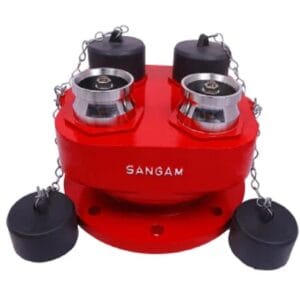
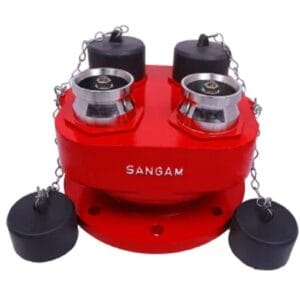
Sangam Four Way Inlet Valve BOD-CI, NRV-Gun Metal
Four Way Flow Control. Non-Return Functionality. High Pressure and Temperature Ratings. Heavy-Duty Construction. Easy installation. Leak-Proof Performance. Maintenance-Friendly Design.
Close
Sangam Four Way Inlet Valve BOD-CI, NRV-SS-304
Four Way Flow Control. Non-Return Functionality. High Pressure and Temperature Ratings. Heavy-Duty Construction. Easy installation. Leak-Proof Performance. Maintenance-Friendly Design.

Close
Sangam Four Way Inlet Valve BOD-CI, NRV-SS-202
Four Way Flow Control. Non-Return Functionality. High Pressure and Temperature Ratings. Heavy-Duty Construction. Easy installation. Leak-Proof Performance. Maintenance-Friendly Design.
Close
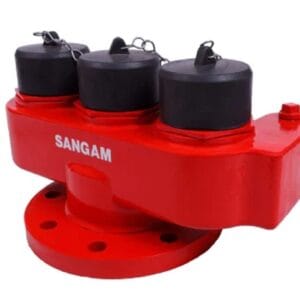
Sangam Three Way Inlet Valve BOD-CI, NRV-SS-202
Three Way Flow Control. Non-Return Functionality. High Pressure and Temperature Ratings. Heavy-Duty Construction. Easy installation. Leak-Proof Performance. Maintenance-Friendly Design.
Close
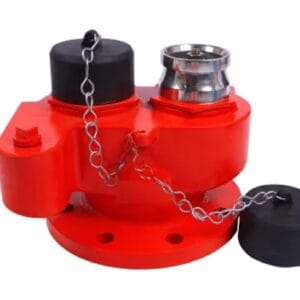
Sangam Two Way Inlet Valve (Light) BOD-CI, NRV-SS-202
Two Way Flow Control. Non-Return Functionality. High Pressure and Temperature Ratings. Heavy-Duty Construction. Easy installation. Leak-Proof Performance. Maintenance-Friendly Design.
Close
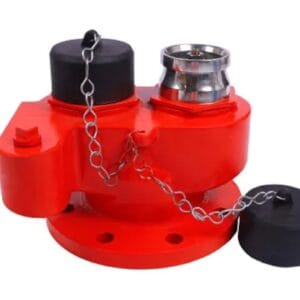
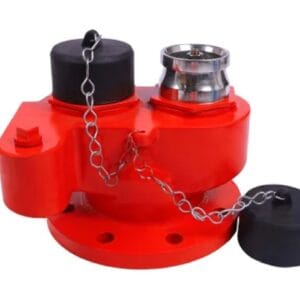
Sangam Two Way Inlet Valve BOD-CI, NRV-SS-GunMetal
Two Way Flow Control. Non-Return Functionality. High Pressure and Temperature Ratings. Heavy-Duty Construction. Easy installation. Leak-Proof Performance. Maintenance-Friendly Design.
Close
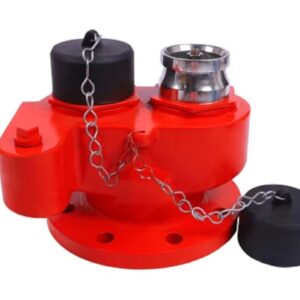
Sangam Two Way Inlet Valve BOD-CI, NRV-SS-304
Two Way Flow Control. Non-Return Functionality. High Pressure and Temperature Ratings. Heavy-Duty Construction. Easy installation. Leak-Proof Performance. Maintenance-Friendly Design.
Close
Sangam Two Way Inlet Valve (Heavy) BOD-CI, NRV-SS-202
Two Way Flow Control. Non-Return Functionality. High Pressure and Temperature Ratings. Heavy-Duty Construction. Easy installation. Leak-Proof Performance. Maintenance-Friendly Design.

Close
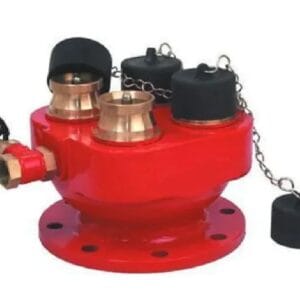
RAINX Draw out connection
World Class Quality Control Systems. Compact and Elegant Design. Excellent Flow Characteristics. High-Quality Casting Finishes.
Close
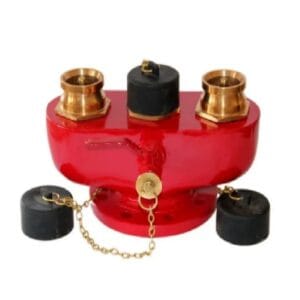
RAINX Four way Fire brigade connection
World Class Quality Control Systems. Excellent Flow Characteristics. Compact and Elegant Design. Can work at high pressure. Long Lasting Nature.
Close
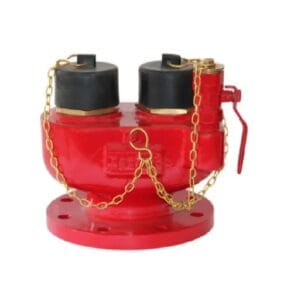
RAINX Three way Fire brigade connection
World Class Quality Control Systems. Excellent Flow Characteristics. Compact and Elegant Design. Can work at high pressure. Long Lasting Nature.
Close
RAINX Two way Fire brigade connection
World Class Quality Control Systems. Excellent Flow Characteristics. Compact and Elegant Design. Can work at high pressure. Long Lasting Nature.

Close
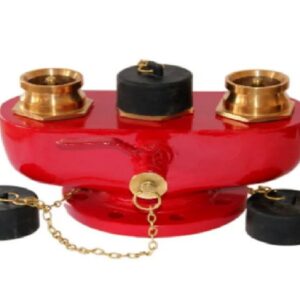
Mfs Four Way Inlet
Compact and Elegant Design. Excellent Flow Characteristics. High-Quality Casting Finishes.
Close
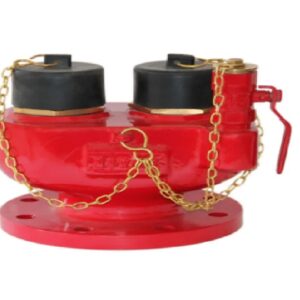
Mfs Three Way Inlet
Compact and Elegant Design. Excellent Flow Characteristics. High-Quality Casting Finishes.
Close
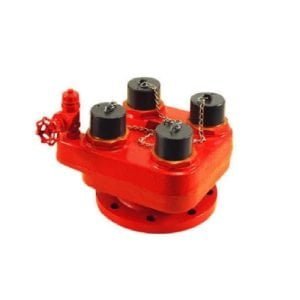
Mfs Two Way Inlet
Long lasting nature. High-Durability. Can work at high pressure. Require minimum maintenance. Compact and Elegant Design. Excellent Flow Characteristics
Close
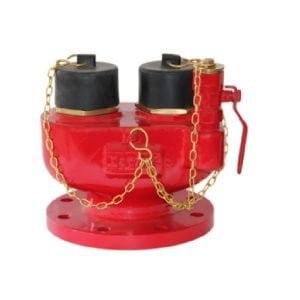
Improfire Four Way Breeching Inlet
Improfire Four Way Breeching Inlet installed at ground level provides the connection to the water supply of the dry riser system. The dry riser system is normally dry and is charged by the fire brigade in an emergency.
Close
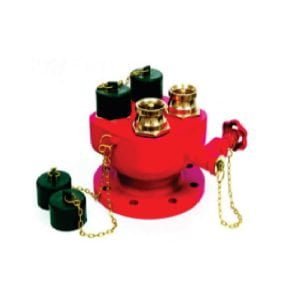
Improfire Two Way Breeching Inlet
Improfire Two Way Breeching Inlet installed at ground level provides the connection to the water supply of the dry riser system. The dry riser system is normally dry and is charged by the fire brigade in an emergency.
Close
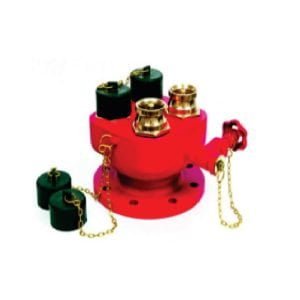
BFS Four Way Breeching Inlet CI Body Working Parts Light 202
BFS Four Way Breeching Inlet CI Body Working Parts Light 202 are installed outside the building or any easily accessible area in the building for fire brigade personnel to access the inlet.
Close
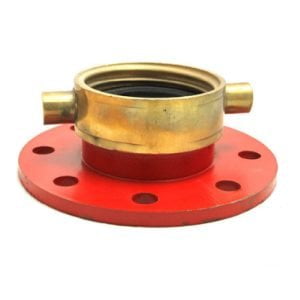
BFS Four Way Breeching Inlet CI Body Working Parts Heavy 202
BFS Four Way Breeching Inlet CI Body Working Parts Heavy 202 are installed outside the building or any easily accessible area in the building for fire brigade personnel to access the inlet.
Close
KalpEX Draw Out Connection
KalpEX Draw Out Connection Draw out Fire Brigade connection for fire fighting systems. Connector with Gun Metal (GM) material approved make. 70 mm outlet is also available. All India Delivery | 1 Year Warranty | 100% Secure Payments | Easy Returns | Refillable Fire Extinguisher DRA. Breeching inlets are installed outside the building or in any easily accessible area in the building for fire brigade personnel to access the inlet.
Breeching Inlet FAQs
1. What is a breeching inlet in a fire protection system?
A breeching inlet is a fire brigade connection that allows firefighters to pump water into a building's dry riser, hydrant, or sprinkler system during an emergency. It is typically installed at ground level and provides an external water supply point when the building's internal water source is insufficient or unavailable.
2. What is the purpose of a breeching inlet?
A breeching inlet enables fire service personnel to boost water supply to a building's firefighting system during a fire emergency. By connecting fire engines directly to the inlet, firefighters can maintain adequate water pressure and flow to upper floors, hydrant systems, and sprinkler networks.
3. What is the difference between a 4" x 2-way and a 6" x 4-way breeching inlet?
A 4" x 2-way breeching inlet has two firefighter hose connections, while a 6" x 4-way breeching inlet provides four connections for higher water flow capacity. The 2-way model is commonly used in smaller buildings, whereas the 4-way version is preferred for high-rise, commercial, and industrial facilities with greater firefighting demands.
4. When should a 6" x 4-way breeching inlet be used?
A 6" x 4-way breeching inlet is typically used in large buildings that require higher firefighting water flow and pressure. Its four inlet connections allow multiple fire engines or hoses to supply water simultaneously, making it suitable for high-rise buildings, warehouses, airports, and industrial facilities.
5. Where is a breeching inlet installed?
A breeching inlet is usually installed outside a building at an easily accessible location for fire brigade personnel. Ground-level installation allows firefighters to quickly connect hoses and pump water into the building's fire protection system during an emergency.
6. What components are included in a breeching inlet?
A breeching inlet typically includes inlet connections, non-return valves, drain valves, blank caps, chains, and a flanged outlet connection. These components help ensure reliable water flow, prevent backflow, and protect the system from contamination when not in use.
7. What is the function of a non-return valve in a breeching inlet?
A non-return valve prevents water from flowing back through the breeching inlet once the firefighting system is pressurized. This helps maintain system integrity, protects firefighting equipment, and ensures water flows in the intended direction during emergency operations.
8. Are breeching inlets used with dry riser systems?
Yes, breeching inlets are most commonly installed as part of dry riser systems in multi-storey buildings. They allow firefighters to charge the normally dry pipework with water from fire service pumps, delivering water to upper levels during firefighting operations.
9. What standards should a quality breeching inlet comply with?
Quality breeching inlets should comply with recognized fire protection standards to ensure performance, durability, and compatibility. Many internationally approved models are manufactured in accordance with standards such as BS 5041, BS 336, and related fire protection specifications.
10. How often should a breeching inlet be inspected?
Breeching inlets should be inspected regularly to ensure they remain accessible, operational, and ready for emergency use. Routine inspections should verify inlet connections, non-return valves, drain valves, caps, signage, and the overall condition of the assembly to maintain reliable firefighting performance.