
Your list is empty, add products to the list to send a request









- The minimum required quantity for ArmorFire Brass Upright Sprinkler (UL, Bulb) (MOQ - 8 Pcs) (FSIN00003304) is 8.

Sangam Fire Sprinkler – 68Degree Upright – Zinc (MOQ – 25 Pcs)
Durable Material. Resistance to Corrosion. Easy to install. Excellent performance.
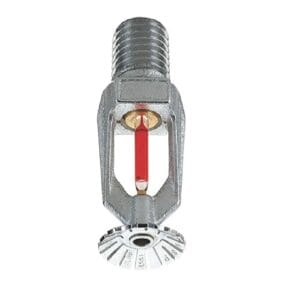
RAINX Upright Type Automatic Sprinkler (MOQ-10 Pcs)
World Class Quality Control Systems. Easy to Install. Easy to Maintain. Precisely Designed. Excellent Perfomance. Finest Quality Materials.
Close
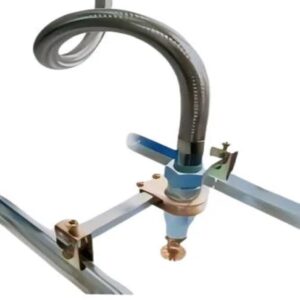
ArmorFire Braided Flexible Sprinkler Hose-1200mm (MOQ- 2 Pcs)
Durable Braided Stainless Steel Construction. Flexible Design for Easy Installation. Leak-Free, Secure Connections. Vibration and Seismic Resistant. Variety of Hose Lengths and Connection Types. Cost-Effective Fire Protection Solution.
Close
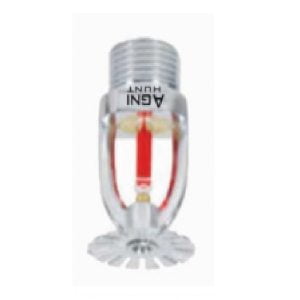
Agni Hunt Star Pendant Make Fire Sprinkler
Agni Hunt Star Pendant Make Fire Sprinkler is a fusible link fire sprinklers replace that bulb with metal components secured to the sprinkler by a heat-sensitive alloy. Rising temperatures cause the alloy to melt, allowing the metal elements to fall from the sprinkler head and activate the sprinkler. Our fire sprinklers are available in 1/2" (12.7 mm) size. A 1/2" model is the most common size for office buildings, hotels, and schools.

Close
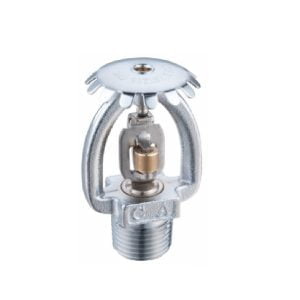
Detect Fire Concealed Sprinkler
Detect Fire Concealed Sprinkler Quick Response Concealed Pendent Sprinkler is a thermosensitive glass-bulb spray sprinkler designed for installation on concealed pipe systems where the appearance of a smooth ceiling is desired.
Close
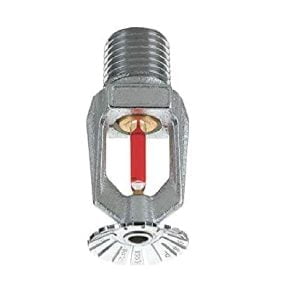
On Spotfire Sprinkler 58 Degree
On Spotfire Sprinkler 58 Degree is designed to control or extinguish fires in the early stages. This makes it easier and safer for building occupants to exit the building, and for firefighters to extinguish any fire that remains. Sprinklers reduce the loss due to fire.
Close
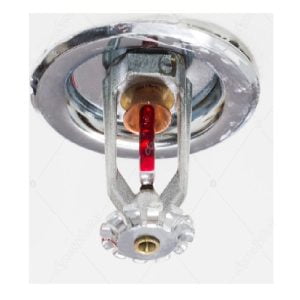
On Spotfire Sprinkler 68 Degree
On Spotfire Sprinkler 68 Degree is designed to control or extinguish fires in the early stages. This makes it easier and safer for building occupants to exit the building, and for firefighters to extinguish any fire that remains. Sprinklers reduce the loss due to fire.
Close
Freeze Fire Fire Sprinkler
Freeze Fire Fire Sprinkler is designed to control or extinguish fires in the early stages. This makes it easier and safer for building occupants to exit the building, and for firefighters to extinguish any fire that remains. Sprinklers reduce the loss due to fire.
Close
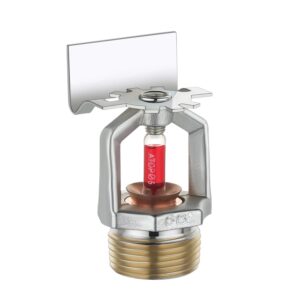
ArmorFire Brass Sidewall Sprinkler (MOQ – 10 Pcs)
Compact Design. Glass Bulb Type. Several Different Finishes. With Temperature Ratings. Standard Response (5mm Glass Bulb). Quick Response (3mm Glass Bulb).

Close
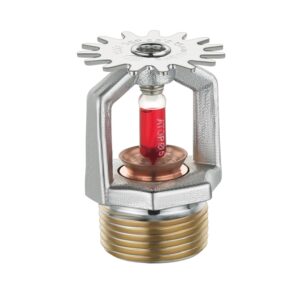
ArmorFire Brass Upright Sprinkler (MOQ – 10 Pcs)
Compact Design. Glass Bulb Type. Several Different Finishes. With Temperature Ratings. Standard Response (5mm Glass Bulb). Quick Response (3mm Glass Bulb).
Close
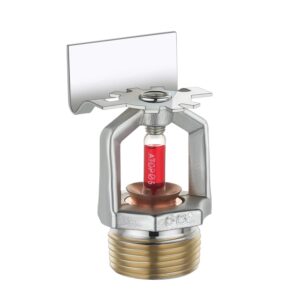
ArmorFire Brass Pendent Sprinkler (MOQ – 10 Pcs)
Compact Design. Glass Bulb Type. Several Different Finishes. With Temperature Ratings. Standard Response (5mm Glass Bulb). Quick Response (3mm Glass Bulb).
Close
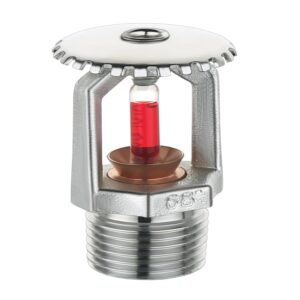
ArmorFire Brass Sidewall Sprinkler (UL, Bulb) (MOQ- 8 Pcs)
Compact Design. Glass Bulb Type. Several Different Finishes. With Temperature Ratings. Standard Response (5mm Glass Bulb). Quick Response (3mm Glass Bulb).
Close
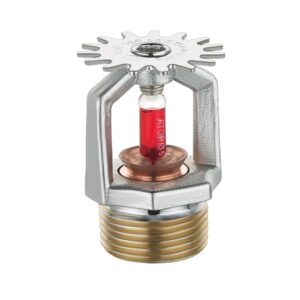
ArmorFire Brass Upright Sprinkler (UL, Bulb) (MOQ – 8 Pcs)
Compact Design. Glass Bulb Type. Several Different Finishes. With Temperature Ratings. Standard Response (5mm Glass Bulb). Quick Response (3mm Glass Bulb).
Close
ArmorFire Brass Pendent Sprinkler (UL, Bulb) (MOQ – 8Pcs)
Compact Design. Glass Bulb Type. Several Different Finishes. With Temperature Ratings. Standard Response (5mm Glass Bulb). Quick Response (3mm Glass Bulb).
Close
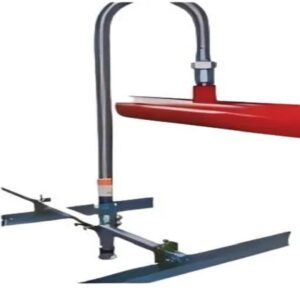
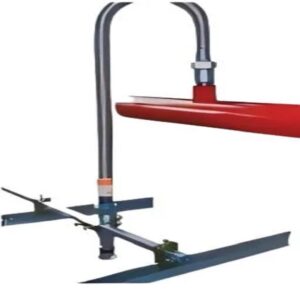
ArmorFire Unbraided Flexible Sprinkler Hose-1800mm (MOQ-2 Pcs)
Durable Braided Stainless Steel Construction. Flexible Design for Easy Installation. Leak-Free, Secure Connections. Vibration and Seismic Resistant. Variety of Hose Lengths and Connection Types. Cost-Effective Fire Protection Solution.
Close
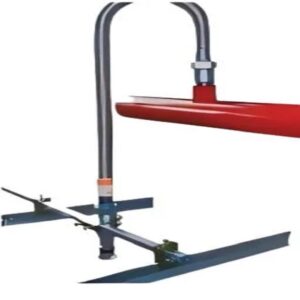
ArmorFire Unbraided Flexible Sprinkler Hose-1500mm (MOQ-2 Pcs)
Durable Braided Stainless Steel Construction. Flexible Design for Easy Installation. Leak-Free, Secure Connections. Vibration and Seismic Resistant. Variety of Hose Lengths and Connection Types. Cost-Effective Fire Protection Solution.
Close
ArmorFire Unbraided Flexible Sprinkler Hose-1200mm (MOQ – 3Pcs)
Durable Braided Stainless Steel Construction. Flexible Design for Easy Installation. Leak-Free, Secure Connections. Vibration and Seismic Resistant. Variety of Hose Lengths and Connection Types. Cost-Effective Fire Protection Solution.

Close
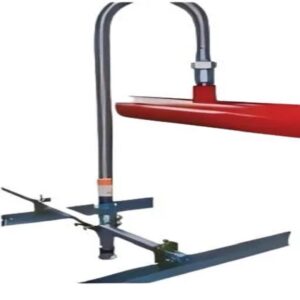
ArmorFire Unbraided Flexible Sprinkler Hose-1000mm (MOQ-3 Pcs)
Durable Braided Stainless Steel Construction. Flexible Design for Easy Installation. Leak-Free, Secure Connections. Vibration and Seismic Resistant. Variety of Hose Lengths and Connection Types. Cost-Effective Fire Protection Solution.
Close
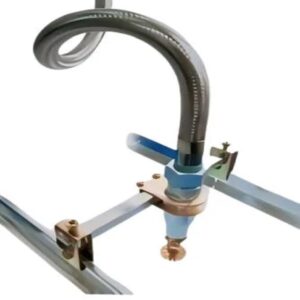
ArmorFire Unbraided Flexible Sprinkler Hose-700mm (MOQ – 3 Pcs)
Durable Braided Stainless Steel Construction. Flexible Design for Easy Installation. Leak-Free, Secure Connections. Vibration and Seismic Resistant. Variety of Hose Lengths and Connection Types. Cost-Effective Fire Protection Solution.
Close
ArmorFire Braided Flexible Sprinkler Hose-1800mm (MOQ-2 Pcs)
Durable Braided Stainless Steel Construction. Flexible Design for Easy Installation. Leak-Free, Secure Connections. Vibration and Seismic Resistant. Variety of Hose Lengths and Connection Types. Cost-Effective Fire Protection Solution.
Sprinkler Head FAQs
1. What is a sprinkler head and why is it important in a fire sprinkler system?
A sprinkler head is the component that detects heat and releases water to control or suppress a fire. It is the final discharge point in a fire sprinkler system and plays a critical role in protecting lives and property. The correct sprinkler head helps ensure effective water distribution and faster fire control.
2. What are the different types of sprinkler heads?
The four main types of sprinkler heads are pendent, upright, concealed pendent, and horizontal sidewall sprinklers. Each type is designed for specific installation requirements and water distribution patterns. Selecting the right sprinkler head improves fire protection performance and helps achieve proper coverage.
3. How do sprinkler heads activate during a fire?
Sprinkler heads activate when heat from a fire reaches a predetermined temperature threshold. Most sprinkler heads use a glass bulb or fusible link that breaks when exposed to high temperatures, allowing water to flow directly onto the fire source and limit its spread.
4. Which sprinkler head is best for commercial buildings?
Pendent sprinkler heads are typically the preferred choice for commercial buildings because they provide broad and uniform water coverage. They are commonly installed in offices, retail stores, hotels, educational facilities, and other occupied spaces where ceiling-mounted fire protection is required.
5. When should upright sprinkler heads be used?
Upright sprinkler heads are best suited for warehouses, factories, and areas with exposed ceilings or structural obstructions. Their upward-facing design allows water to deflect downward around beams, ducts, and storage racks, improving fire suppression in industrial environments.
6. Are concealed sprinkler heads a good choice for modern interiors?
Yes, concealed sprinkler heads are ideal for spaces where aesthetics are a priority without compromising fire protection. Hidden behind a decorative cover plate, they blend seamlessly with ceilings and are commonly used in hotels, luxury residences, offices, and retail environments.
7. How do I choose the right sprinkler head for my building?
The right sprinkler head depends on your ceiling design, occupancy type, fire risk level, and coverage requirements. Consider factors such as room layout, hazard classification, installation location, and applicable fire protection standards to ensure optimal performance and compliance.
8. What is the difference between pendent and sidewall sprinkler heads?
Pendent sprinkler heads are ceiling-mounted, while sidewall sprinkler heads are installed on walls near the ceiling. Pendent models provide circular coverage for open spaces, whereas sidewall sprinklers are often used in corridors, hotel rooms, and areas where ceiling installation is impractical.
9. Do all sprinkler heads activate at the same time during a fire?
No, individual sprinkler heads activate only when the heat near that specific sprinkler reaches its rated temperature. This targeted response helps control the fire while minimizing unnecessary water discharge and reducing potential water damage to unaffected areas.
10. How often should sprinkler heads be inspected and maintained?
Sprinkler heads should be inspected regularly to ensure they remain free from damage, corrosion, paint, dust, or obstructions. Routine inspection and maintenance help maintain system reliability, support compliance with fire protection standards, and ensure effective operation during an emergency.

