
Your list is empty, add products to the list to send a request










What is a Conventional Fire Alarm Control Panel?

23
Aug
When you hear the term Ravel fire alarm panel, it refers to a trusted and widely used type of conventional fire alarm control panel. These systems form the backbone of fire safety in small to medium-sized buildings, offering reliable and affordable protection.
A conventional fire alarm panel divides a building into zones. When smoke or heat is detected, the system identifies the affected zone and triggers alarms so occupants can evacuate quickly.
In this blog, you’ll learn exactly what a conventional fire alarm control panel is, how it works, its benefits, where it should be installed, and why the Ravel fire alarm panel is a strong choice for many facilities.
What is a Conventional Fire Alarm Control Panel?
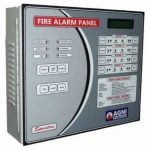
A conventional fire alarm control panel is the central unit that manages and monitors fire detection devices like smoke detectors, heat detectors, and manual call points.
Here’s how it works:
- The building is divided into zones.
- Each zone is connected to detectors and call points.
- When one is triggered, the control panel indicates which zone has a potential fire.
- The alarm system then activates sounders, bells, or strobes to alert occupants.
Unlike addressable systems that pinpoint the exact detector activated, conventional systems only show the zone of origin. This makes them cost-effective and ideal for smaller facilities.
Why Choose a Ravel Fire Alarm Panel?
The Ravel fire alarm panel is a popular brand choice because it balances affordability, reliability, and ease of use.
Key reasons to choose it:
- Cost-effective – Ideal for schools, shops, small offices, and apartments.
- Simple operation – Easy to install and maintain.
- Durable build – Designed for long-term performance.
- Compliance – Meets international fire safety standards.
If you’re managing a small to mid-sized property, a Ravel fire alarm panel offers a practical solution without the complexity of advanced addressable systems.
How Does a Conventional Fire Alarm Panel Work?
A conventional panel works through basic zoning and wiring:
- Zones: The building is divided into zones (e.g., ground floor, first floor, kitchen).
- Detectors: Devices like smoke or heat detectors are wired into each zone.
- Alarm Trigger: If a device senses smoke or heat, it sends a signal to the panel.
- Alert: The panel shows which zone is in alarm mode and activates the sirens.
This simple but effective design ensures fast detection and warning without unnecessary complexity.
Features of a Ravel Fire Alarm Panel
The Ravel fire alarm panel comes with user-friendly features such as:
- Multiple zone support (commonly 2, 4, 8, or 16 zones).
- LED indicators for fire, fault, and power status.
- Built-in sounder for local alarms.
- Battery backup for power failure situations.
- Easy-to-use control buttons for reset, silence, and test functions.
These features make it one of the most reliable conventional panels available in the market.
Applications of Conventional Fire Alarm Panels
Conventional fire alarm systems, like the Ravel fire alarm panel, are best suited for:
- Small office buildings.
- Retail shops.
- Schools and colleges.
- Residential apartments.
- Restaurants and hotels.
- Warehouses and workshops.
They are particularly effective in spaces where detailed pinpointing of devices is not necessary but quick identification of the fire zone is essential.
Benefits of Using a Conventional Fire Alarm Control Panel
Choosing a Ravel fire alarm panel comes with several advantages:
- Affordability: More cost-effective compared to addressable systems.
- Ease of use: Simple to install, operate, and maintain.
- Reliable detection: Provides early warning through clear zone identification.
- Wide compatibility: Works with most detectors and alarm devices.
- Durability: Designed to last with minimal upkeep.
For smaller buildings, these benefits outweigh the need for advanced features.
Limitations of Conventional Fire Alarm Panels
While highly reliable, conventional systems do have some limitations:
- Cannot identify the exact device that triggered the alarm (only the zone).
- Not ideal for large, complex buildings with multiple floors.
- Requires more cabling compared to advanced systems.
- May take longer to pinpoint the exact fire source.
For larger facilities, an addressable fire alarm system is often recommended.
How to Install a Ravel Fire Alarm Panel
Proper installation is critical to ensure the system functions effectively. Basic steps include:
- Plan the zones based on building layout.
- Mount the panel in a secure, accessible location.
- Wire detectors into the appropriate zones.
- Connect sounders and alarms to output circuits.
- Test the system to ensure correct functionality.
Professional installation is strongly recommended to comply with fire safety regulations.
Maintenance of a Ravel Fire Alarm Panel
To keep your Ravel fire alarm panel functioning at its best:
- Test the system weekly.
- Inspect detectors and call points monthly.
- Replace batteries as per manufacturer guidelines.
- Arrange for annual servicing by a qualified fire safety technician.
Regular maintenance ensures compliance with safety laws and extends the lifespan of your fire alarm system.
Where Should a Fire Alarm Panel Be Located?
According to fire safety standards, a fire alarm panel should be installed:
- Near the main entrance or reception area.
- In a location that is easily accessible to fire wardens.
- At eye level for ease of operation.
- Away from sources of moisture, dust, and vibration.
This ensures that during emergencies, the panel is quickly reachable for manual operation and monitoring.
Frequently Asked Questions
1. What are the two types of fire alarm control panels?
The two main types are:
- Conventional fire alarm panels – zone-based detection, cost-effective, ideal for small buildings.
- Addressable fire alarm panels – pinpoint device-level detection, suited for larger and complex buildings.
2. How long do fire alarm control panels last?
Most fire alarm control panels, including the Ravel fire alarm panel, last around 10–15 years with proper maintenance. Regular servicing can extend their lifespan.
3. Where are fire alarm control panels located?
Fire alarm control panels are usually located near the main entrance or reception area of a building. This ensures easy access for fire wardens and emergency personnel.
Final Thoughts
A conventional fire alarm control panel, such as the Ravel fire alarm panel, offers reliable, affordable, and easy-to-use fire safety for small to medium-sized buildings. It might not have the advanced features of addressable systems, but for many facilities, it provides exactly what’s needed: early detection and clear evacuation alerts.
Secure your building today with the Ravel RE-104R 4 Zone Conventional Fire Alarm Control Panel. It’s dependable, cost-effective, and designed to keep your property safe.

