
Your list is empty, add products to the list to send a request








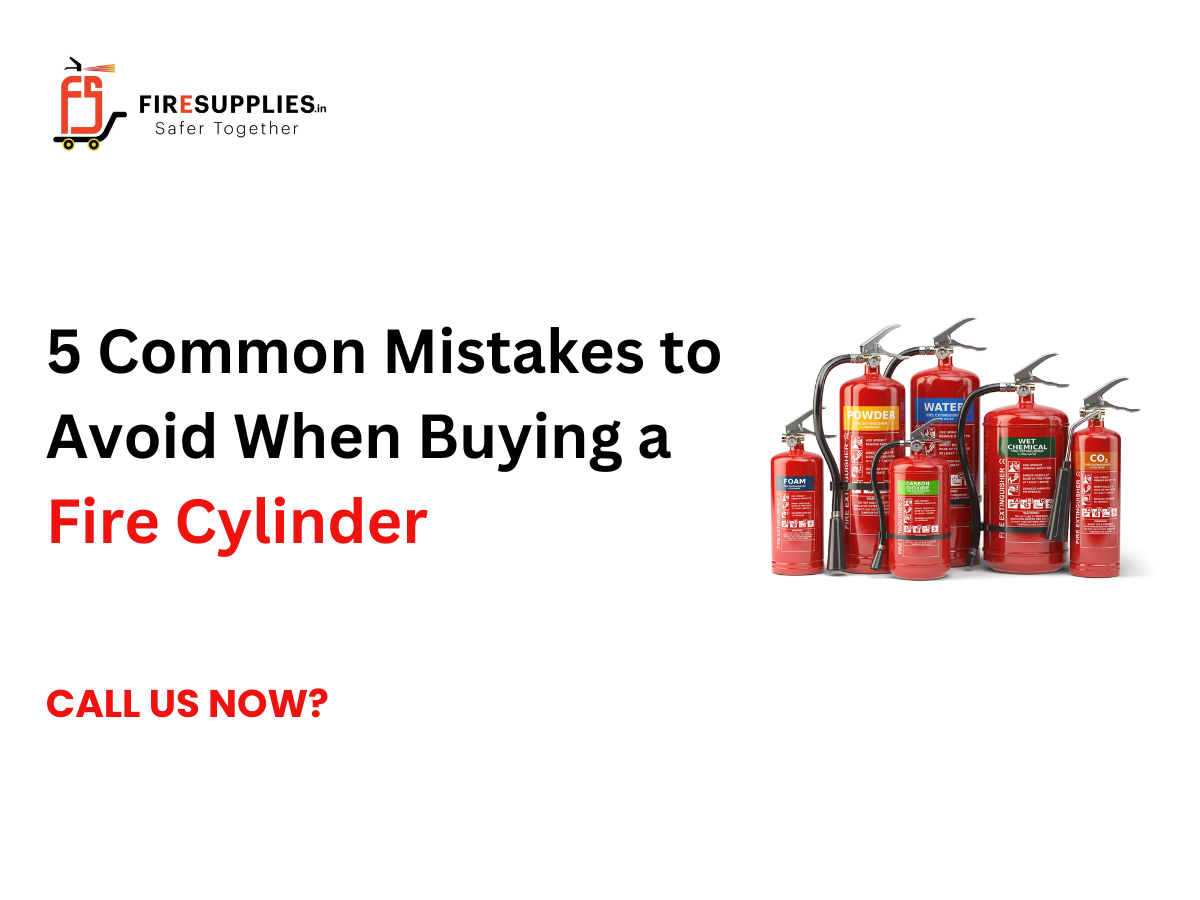
5 Common Mistakes to Avoid When Buying a Fire Cylinder

25
Jun
Buying the right fire cylinder is one of the most important decisions you can make for workplace or home safety. Yet every day, buyers from facility managers to small business owners make avoidable errors that leave them underprepared in an emergency.
Understanding the 5 common mistakes to avoid when buying a fire cylinder is essential before investing in fire safety products. This guide breaks down each mistake in plain language, gives you a clear technical reference, and walks you through a practical buying checklist so you choose the right fire protection equipment the first time.
What Is a Fire Cylinder?
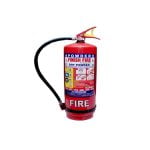
A fire cylinder (also called a fire extinguisher cylinder or fire safety cylinder) is a pressurised metal container filled with a fire-suppressing agent such as dry powder, CO₂, foam, or water. It is the core component of portable fire protection equipment used to control or extinguish small fires before they spread. Fire cylinders are a mandatory requirement under fire safety regulations in most commercial, industrial, and residential settings. Choosing the wrong type, size, or specification of cylinder is a direct fire safety risk.
Technical Details: Fire Cylinder Specifications at a Glance
| Specification | Details |
| Types Available | CO₂, Dry Powder, Foam, Water, Wet Chemical, Clean Agent |
| Capacity Range | 1 kg / 1 L to 9 kg / 9 L (portable); larger wheeled units available |
| Working Pressure | Typically 10–15 bar (varies by agent and standard) |
| Body Material | Mild steel, stainless steel, or aluminium alloy |
| Discharge Time | 8–25 seconds depending on size and agent |
| Service Interval | Annual inspection; full overhaul every 5 years (as per IS 2190 / BS 5306) |
| Colour Coding (India/UK) | Red body (standard); coloured band for agent type |
| Temperature Range | −20°C to +60°C (standard); extended ranges available |
| Certifications | BIS (India), CE (Europe), UL (USA), ISO 9001 |
| Mounting Options | Wall bracket, vehicle bracket, floor stand |
| Pressure Indicator | Integrated gauge showing charged / discharged status |
| Thread Standard | As per IS 4947 / EN 3 depending on region |
Use Cases and Applications for Fire Safety Cylinders
Fire fighting cylinders are not a one-size-fits-all product. Different environments demand different types:
- Office buildings and commercial spaces: Foam or water-based cylinders for Class A fires (paper, wood, textiles).
- Server rooms and electrical panels: CO₂ cylinders to avoid equipment damage.
- Kitchens and canteens: Wet chemical cylinders specifically designed for cooking oil fires (Class F).
- Industrial facilities and warehouses: Dry powder cylinders for Class B (flammable liquids) and Class C (gas) fires.
- Vehicles and transport: Compact 1–2 kg dry powder cylinders for quick access.
- Laboratories: Clean agent (FM-200 or Novec) cylinders to protect sensitive equipment.
Selecting the correct fire fighting product for the hazard class present is not optional it is a regulatory and life-safety requirement.
The 5 Common Mistakes to Avoid When Buying a Fire Cylinder
Mistake 1: Buying the Wrong Type of Fire Cylinder for Your Fire Risk
This is the single most dangerous mistake buyers make. Not all fires are the same, and not all fire extinguisher cylinders work on all fire types. Using a CO₂ cylinder on a cooking oil fire, for example, can cause the fire to flare up violently.
Fire is classified by the material burning:
- Class A Solids (wood, paper, fabric)
- Class B Flammable liquids (petrol, paint, solvents)
- Class C Flammable gases (LPG, methane)
- Class D Metal fires (magnesium, titanium)
- Class E Electrical equipment fires
- Class F Cooking oils and fats
Always conduct a fire risk assessment before purchasing. Your fire safety equipment supplier should be able to guide you based on the specific hazards in your premises. Matching the cylinder to the risk class is non-negotiable.
Mistake 2: Ignoring Certifications and Standards When You Buy a Fire Cylinder
A low price tag often signals a cylinder that has bypassed critical quality standards. Uncertified fire safety products may fail to discharge correctly, corrode prematurely, or in extreme cases rupture under pressure.
In India, look for:
- BIS Mark (IS 15683) Bureau of Indian Standards certification for portable fire extinguishers
- IS 2190 Code of practice for fire extinguisher selection, installation, and maintenance
Internationally recognised standards include:
- EN 3 (Europe), UL Listed (USA), ISO 7165
Never purchase a fire cylinder without verifying that it carries the appropriate certification mark. Ask your fire protection equipment supplier for documentation before finalising any order. This is also a legal compliance requirement in most jurisdictions.
Mistake 3: Choosing the Wrong Cylinder Size
Bigger is not always better and smaller is not always safer. Many buyers either under-purchase (choosing a 1 kg cylinder for a large warehouse) or over-purchase (installing heavy 9 kg cylinders in offices where staff cannot safely lift and operate them).
Key sizing principles:
- Coverage area: A 2 kg dry powder cylinder typically covers around 15–20 square metres.
- User capability: If staff cannot lift and operate a cylinder during an emergency, it provides no protection.
- High-risk zones: Kitchens, server rooms, and storage areas with flammable materials require larger or multiple units.
- Spacing guidelines: As per IS 2190, portable extinguishers should be placed so the travel distance to any extinguisher does not exceed 15 metres for Class A risks.
Consult your fire safety equipment supplier for a site-specific recommendation rather than making assumptions about size.
Mistake 4: Neglecting After-Sales Service and Maintenance Commitments
A fire fighting cylinder is only as reliable as its last inspection. Many buyers focus entirely on purchase price and overlook the ongoing maintenance costs and service availability.
What proper maintenance involves:
- Annual inspection Checking pressure, condition of seals, hose, and safety pin
- 5-year overhaul Full discharge, internal inspection, refilling, and re-pressurisation
- Hydrostatic testing Cylinder pressure testing every 5 years (or as per local regulation)
- Label and record-keeping Maintaining service tags and inspection logs for compliance
A cylinder with no local service network is effectively a liability. When sourcing fire protection equipment, always confirm that the supplier or manufacturer offers reliable after-sales support in your region.
Mistake 5: Purchasing Without Considering Placement and Accessibility
Even the best fire safety cylinder is useless if it is stored in a locked cupboard, placed behind equipment, or mounted at an inaccessible height. This mistake is surprisingly common and frequently cited in fire safety audits.
Placement best practices:
- Mount cylinders at the correct height typically the handle should be no higher than 1.5 metres from the floor.
- Position near exits and along escape routes not deeper into a room.
- Ensure clear visibility with appropriate signage (mandatory under fire safety regulations).
- Never block access with furniture, stock, or equipment.
- Install in locations appropriate to the specific fire risk of that zone.
Poor placement renders your fire safety products investment worthless in an actual emergency. Work with a qualified fire safety equipment supplier to plan installation alongside purchase.
Advantages and Limitations of Fire Cylinders
Advantages
- Immediate availability No external infrastructure needed; ready to use on site
- Cost-effective Relatively low upfront cost compared to fixed suppression systems
- Portable Can be moved to the exact location of a fire
- Wide agent range Solutions available for virtually every fire class
- Easy maintenance Straightforward annual servicing process
Limitations
- Limited capacity Designed for initial attack only; not suitable for large or spreading fires
- Operator dependent Requires a trained user; ineffective if staff are unprepared
- Agent-specific Wrong agent can worsen the fire
- Pressure loss Cylinders can lose charge over time if seals degrade; regular checks essential
Fire Cylinder Buying Guide: Quick Checklist
Use this checklist before finalising your purchase of any fire safety cylinder or related fire fighting products:
- Conduct a fire risk assessment for your premises
- Identify all fire classes present (A, B, C, D, E, F)
- Match cylinder type to identified hazard classes
- Verify BIS / relevant certification mark on the product
- Check the cylinder capacity against the coverage area
- Confirm the weight is manageable for your staff
- Ask about the manufacturer’s warranty period
- Confirm local service and refilling availability
- Plan placement locations before purchasing
- Ensure signage and mounting hardware are included or available
- Review local fire safety regulations for compliance requirements
Standards and Certifications for Fire Safety Equipment
Compliance with recognised standards is not just best practice it is a legal obligation in most regions. Below are the key standards relevant to fire protection equipment in India and internationally:
| Standard | Scope | Applicable Region |
| IS 15683 | Performance requirements for portable fire extinguishers | India (BIS) |
| IS 2190 | Selection, installation, and maintenance code | India |
| IS 4947 | CO₂ type fire extinguisher specification | India |
| EN 3 | Portable fire extinguishers design, construction, performance | Europe |
| UL 711 | Rating and fire testing of fire extinguishers | USA |
| ISO 7165 | Portable fire extinguishers performance and construction | International |
| NFPA 10 | Standard for portable fire extinguishers | USA / widely referenced globally |
Always ask your fire safety equipment supplier to provide the relevant certification documentation with your purchase. Uncertified products should be rejected regardless of price.
Authoritative References:
- National Fire Protection Association (NFPA): https://www.nfpa.org
- Bureau of Indian Standards (BIS): https://www.bis.gov.in
- Health and Safety Executive (HSE) Fire Safety: https://www.hse.gov.uk/fire
FAQs About Buying a Fire Cylinder
1. What should I consider before buying a fire cylinder?
The most important factor is choosing a fire cylinder that matches your specific fire risks. Consider the fire class, installation location, extinguisher capacity, certification, and compliance requirements to ensure effective fire protection for your home or business.
2. Is one type of fire cylinder suitable for all fire hazards?
No, different fire extinguishers are designed for different classes of fire. For example, Water extinguishers are suitable for Class A fires, CO₂ extinguishers for electrical fires, Foam for flammable liquids, and ABC Dry Powder for multiple fire classes.
3. Why is extinguisher certification important when purchasing a fire cylinder?
Certified fire cylinders are tested to meet recognized safety and performance standards. Buying certified products helps ensure reliability during emergencies and supports compliance with workplace fire safety regulations.
4. What is the most common mistake people make when buying a fire cylinder?
One of the biggest mistakes is selecting an extinguisher based only on price instead of the fire risk. An inexpensive extinguisher that is unsuitable for the hazard may not provide adequate protection during an emergency.
5. How do I choose the correct fire cylinder size?
The appropriate extinguisher size depends on the property’s fire risk, floor area, and applicable fire safety requirements. Larger commercial or industrial facilities may require multiple extinguishers of different capacities to provide adequate coverage.
6. Should I buy a refillable or disposable fire cylinder?
Refillable fire cylinders are generally more cost-effective for businesses and commercial properties. They can be serviced and recharged after use, while disposable models are typically intended for replacement after discharge.
7. How often should a fire cylinder be inspected and serviced?
Fire cylinders should be inspected regularly and serviced according to manufacturer recommendations and local fire safety regulations. Routine maintenance ensures the extinguisher remains fully charged, operational, and ready for emergency use.
8. Can I install a fire cylinder myself?
While portable fire extinguishers are easy to position, they should be installed in accessible locations following fire safety guidelines. Businesses should also ensure correct mounting height, clear signage, and unobstructed access for quick emergency response.
9. What industries require different types of fire cylinders?
Different industries require extinguishers based on their specific fire hazards.
Common applications include:
- Offices
- Manufacturing plants
- Warehouses
- Hotels
- Hospitals
- Schools
- Restaurants
- Data centers
- Oil and gas facilities
10. Where can I buy quality fire cylinders in India?
Purchase fire cylinders from authorized fire safety equipment suppliers that provide certified products, installation guidance, and maintenance services. Choosing a trusted supplier helps ensure you receive genuine extinguishers, expert support, and long-term fire protection solutions.
Get Expert Help Choosing the Right Fire Cylinder
Making the wrong choice when you buy a fire cylinder is not just a financial risk it is a life-safety risk. Whether you are equipping a single office, an industrial facility, or an entire building complex, getting professional guidance makes all the difference.
Contact our team today for a free fire safety consultation. Our qualified specialists will:
- Conduct a fire risk assessment tailored to your premises
- Recommend the correct type, size, and quantity of fire fighting cylinders
- Supply fully certified fire protection equipment with BIS documentation
- Provide scheduled maintenance and refilling services
- Ensure full compliance with Indian and international fire safety standards
Don’t leave fire safety to chance. Speak to a trusted fire safety equipment supplier who puts protection first.
Call us now | Send an enquiry | Request a site visit
Your safety is not a product it is a commitment.

