
Your list is empty, add products to the list to send a request













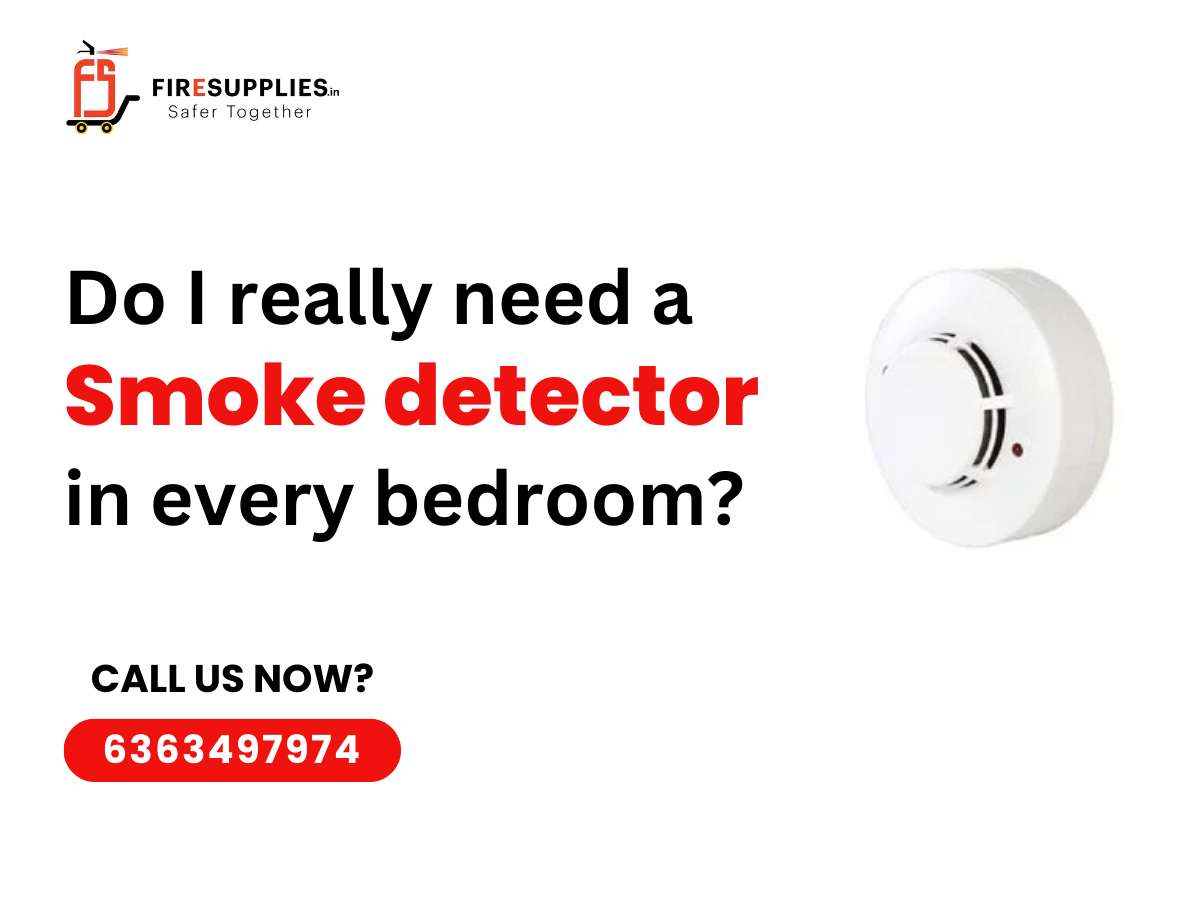
Do I Really Need a Smoke Detector in Every Bedroom?

23
May
When it comes to home fire safety, Smoke detectors are your first line of defense. Yet, many people question whether placing one in every bedroom is necessary. The short answer is: yes. This guide explains why every bedroom should have a smoke detector, how to place them correctly, and what safety standards recommend.
Fire emergencies can happen unexpectedly—and at night when you’re most vulnerable. Having smoke alarms installed in each sleeping area ensures early detection and immediate alerts, potentially saving lives.
Why You Should Install a Smoke Detector in Every Bedroom
According to the National Fire Protection Association (NFPA), smoke detectors should be installed in every bedroom, outside each sleeping area, and on every level of the home. Fires that start in bedrooms can become fatal if not detected early.
Sleeping with doors closed offers protection from flames, but also blocks hallway detectors from alerting you in time. Bedroom smoke detectors ensure you’re warned even if the fire starts inside.
What the Building Codes Say
Modern building and fire codes, including NFPA 72, mandate smoke detectors:
- In every bedroom
- Outside each sleeping area
- On every floor, including the basement
If your home was built before these regulations, it’s highly recommended you update your smoke alarm layout for maximum protection.
How Smoke Detectors Work in Bedrooms
Bedroom smoke detectors detect particles from smoldering or flaming fires:
- Photoelectric detectors: Best for detecting slow, smoldering fires—like those from bedding or upholstery.
- Ionization detectors: Better at detecting fast-moving flaming fires.
- Dual-sensor models: Offer the best of both.
You can also use smart or addressable detectors like the Apollo Addressable Optical Smoke Detector, which are ideal for both residential and commercial fire safety systems.
Where Should I Put a Smoke Detector in My Bedroom?
Proper placement is crucial for optimal performance. Follow these placement tips:
- Mount the detector on the ceiling, at least 4 inches from the wall.
- If wall-mounted, place it 4–12 inches from the ceiling.
- Keep it away from windows, vents, or ceiling fans.
- Install it at least 10 feet from cooking appliances to avoid false alarms.
For larger bedrooms, consider multiple detectors, especially if there’s a separate seating or workspace area.
Where Should Smoke Detectors NOT Be Installed?
To avoid false alarms and ensure effectiveness, do NOT install smoke detectors:
- Near kitchens or bathrooms (humidity and steam can trigger false alarms)
- Close to HVAC vents or fans (airflow may prevent smoke from reaching the sensor)
- Near windows or exterior doors
- In dusty or greasy areas
Improper placement reduces your smoke detector’s reliability.
Can One Smoke Detector Cover Multiple Bedrooms?
While one detector outside several bedrooms may seem sufficient, it isn’t enough. A closed door can significantly delay the sound or presence of smoke.
Each bedroom must have its own unit to ensure:
- Early detection in the room of fire origin
- Quick alerts to sleeping occupants
- Enhanced escape time
Do You Need Interconnected Smoke Alarms?
Interconnected smoke detectors are highly recommended. When one alarm is triggered, all alarms sound simultaneously.
Benefits include:
- Increased awareness, especially in large or multi-story homes
- Ensures alerts are heard, even if the fire starts in a distant room
- Complies with most modern building codes
How to Maintain Bedroom Smoke Detectors
Smoke alarms should be tested and maintained regularly. Follow these maintenance best practices:
- Test monthly using the test button
- Change batteries every 6 months (or use 10-year sealed batteries)
- Clean with a soft brush or vacuum attachment every 3–6 months
- Replace the unit every 8–10 years
Smart models often provide alerts when maintenance is needed.
Types of Smoke Detectors to Consider
When selecting a detector for your bedroom, consider these types:
- Addressable detectors: Perfect for system-wide monitoring, like the Apollo Addressable Optical Smoke Detector
- Battery-powered: Easy to install, but requires regular battery changes
- Hardwired with battery backup: Ideal for long-term reliability
Smoke Detector Myths Debunked
Let’s bust some common myths:
- “One alarm is enough”: False. Fires can start in any room, and smoke may not reach a single alarm in time.
- “They last forever”: False. Replace your smoke detector every 10 years.
- “You don’t need one in the bedroom if the hallway has one”: False. Closed doors block both smoke and sound.
Conclusion: Yes, Every Bedroom Needs a Smoke Detector
Fire safety is not the place to cut corners. A working smoke detector in each bedroom can mean the difference between life and death. Follow recommended guidelines, invest in reliable detectors, and ensure correct placement and maintenance.
Need an advanced smoke detector solution? Check out the Website.
FAQs
1. Should every bedroom have a smoke detector?
Yes, every bedroom must have a smoke detector to ensure early detection during sleep. Fires that start inside a room won’t be detected in time by hallway alarms alone.
2. Where should I put a smoke detector in my room?
Install it on the ceiling, at least 4 inches from the nearest wall. If wall-mounted, place it 4–12 inches from the ceiling and away from air vents or windows.
3. Where should smoke detectors not be installed?
Avoid placing detectors near kitchens, bathrooms, windows, ceiling fans, or dusty areas, as these can lead to false alarms or poor performance.
Protect what matters most.
Explore the Smoke Detectors and upgrade your home’s safety system today.

