
Your list is empty, add products to the list to send a request











How Do I Know If My Smoke Detector Needs Replacing?


22
May
Smoke detectors are essential for home and building safety. They offer life-saving alerts during fire emergencies. But just like any device, they wear out over time. Knowing when to replace your smoke detector is critical to maintaining a secure environment.
In this guide, we’ll explore the signs that indicate it’s time to replace your smoke alarm, the average lifespan of different models, and steps you can take to ensure your fire safety system is always functioning.
Why Replacing Your Smoke Detector Matters
According to the National Fire Protection Association (NFPA), smoke alarms should be replaced at least every 10 years. Over time, sensors become less responsive, even if the unit appears to function normally.
A working smoke detector can cut the risk of dying in a home fire in half. Replacing your device ensures the sensors are accurate, reliable, and responsive.
Warning Signs That Your Smoke Detector Needs Replacing
Here are common signs that indicate a failing smoke detector:
- Chirping or beeping even after replacing the batteries
- Yellowing or discoloration of the casing
- Inconsistent or no response during monthly testing
- No audible alarm during test or fire drills
- Device is over 10 years old
These are strong indicators that your unit is no longer functioning correctly.
What Is the Average Lifespan of a Smoke Detector?
Most smoke detectors have an average lifespan of 8 to 10 years. After this period, sensors begin to degrade.
Lifespan by Type:
- Ionization Smoke Detectors: ~10 years
- Photoelectric Smoke Detectors: ~10 years
- Dual-Sensor Detectors: ~10 years
- Smart Smoke Alarms: ~7–10 years (check manufacturer guidelines)
- Addressable Systems: Typically monitored and tested professionally but still need replacement at the end of the lifecycle
How to Check If Your Smoke Detector Is Expired
To check if your smoke detector is expired:
- Remove the unit from its mount.
- Look on the back for the manufacture date.
- If it’s over 10 years old, it’s time to replace it.
This applies to both battery-powered and hardwired models.
Regular Testing Isn’t Enough
While testing your smoke detector monthly is important, it doesn’t replace the need to monitor its age and condition. Even if it passes the test, internal components may still degrade over time, reducing reliability.
That’s why checking the manufacture date is critical.
How to Properly Dispose of Old Smoke Detectors
Don’t throw expired smoke detectors in the regular trash. Here’s what you should do:
- Photoelectric and Ionization models: Some contain small amounts of radioactive material. Check with your local hazardous waste disposal center.
- Smart smoke detectors: May contain lithium-ion batteries; recycle through electronic waste channels.
Tips for Maintaining Your Smoke Detector
To extend your smoke detector’s performance and lifespan:
- Test it once a month using the test button
- Change batteries twice a year (unless using 10-year sealed batteries)
- Vacuum the unit every few months to clear dust
- Avoid painting over the device
Routine care is key to effective operation.
Why Your Smoke Detector Might Be False Alarming
Frequent false alarms can signal that your detector needs replacing. Common causes include:
- Aging sensor no longer accurately reading air quality
- Dirt or dust buildup interfering with detection
- Installation near a cooking area or steam-prone bathroom
If false alarms persist after cleaning and repositioning, replace the unit.
Should You Upgrade to a Newer Model?
Yes—especially if your current model is:
- Over 10 years old
- Not compliant with newer building codes
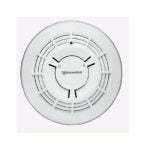
Modern smoke detectors, such as the Apollo Addressable Optical Smoke Detector, offer advanced features for improved safety.
Where Should You Install Your New Smoke Detectors?
For maximum protection, install smoke detectors:
- In every bedroom
- Outside every sleeping area
- On every level of the home, including the basement
- In hallways and stairwells
Avoid placing detectors near kitchens or windows to reduce false alarms.
Recommended Smoke Detector: Apollo Addressable Optical
If you’re considering a replacement, the Apollo Addressable Optical Smoke Detector is ideal for modern safety needs.
Features include:
- Optical sensing technology
- Addressable integration
- Reliable smoke detection with low false alarm rates
Perfect for both residential and commercial applications.
Final Thoughts: Don’t Wait Until It’s Too Late
Replacing your smoke detector is a small action that can save lives. Know the signs, check the age, and never ignore a malfunctioning unit. Take a proactive approach to fire safety.
Looking to upgrade? Explore the Apollo Addressable Optical Smoke Detector for dependable performance and advanced features.
FAQs
1. What are the signs of a bad smoke detector?
Common signs include frequent chirping, yellowed casing, failure during testing, or no response to smoke. These indicators usually mean the unit is faulty or expired.
2. What is the average lifespan of a smoke detector?
Most detectors last 8 to 10 years. Check the back of your unit for the manufacturing date. If it’s older than a decade, replace it immediately.
3. How do I know if my smoke detector is expired?
Remove the unit and check the manufacturing date. If it’s over 10 years old or the detector fails during testing, it is considered expired and should be replaced.
Protect your home and family today with a reliable and modern smoke detector.
Check Out Our Other Products

