
Your list is empty, add products to the list to send a request










What is a Simplex Fire Alarm System?


30
Aug
When it comes to protecting lives and property, a fire alarm system is one of the most critical investments you can make. Among the many available options, the Simplex fire alarm system stands out as one of the most advanced and reliable solutions for fire detection and emergency communication.
Used in schools, hospitals, airports, offices, and industrial complexes worldwide, Simplex systems are trusted because of their precision, scalability, and integration capabilities. But what exactly is a Simplex fire alarm system, how does it work, and why should you consider it for your building?
This complete guide will explain everything you need to know about Simplex fire alarms, their components, benefits, and how they compare to other fire safety solutions.
Introduction to the Simplex Fire Alarm System
A Simplex fire alarm system is a type of addressable fire alarm. This means that every device connected to the system — whether it’s a smoke detector, heat detector, pull station, or sounder — has its own unique address.
When an alarm is triggered, the system not only alerts occupants but also provides the exact location of the device that went into alarm. This feature makes fire response faster and more efficient.
Key facts about Simplex fire alarms:
- Manufactured by Johnson Controls, a leader in building safety technology.
- Widely adopted in large-scale facilities like hospitals, airports, and universities.
- Supports both detection and voice evacuation features.
- Offers advanced integration with security and building automation systems.
How Does a Simplex Fire Alarm System Work?
At its core, a Simplex fire alarm system continuously monitors the environment for signs of fire. Detectors sense smoke, heat, or flames and send signals to the control panel.
The panel processes this data, identifies the exact device, and initiates alarms or notifications. Depending on configuration, it can also trigger sprinklers, send alerts to monitoring stations, or activate voice evacuation systems.
Working process in simple steps:
- Detection – Smoke, heat, or flame detectors sense danger.
- Signal transmission – Devices send information to the fire alarm control panel.
- Processing – The panel identifies the exact location of the event.
- Notification – Sirens, strobes, and voice systems guide occupants to safety.
- Integration – If connected, other systems (HVAC shutdown, sprinklers, access control) are activated automatically.
Main Components of a Simplex Fire Alarm System
A Simplex system is built from several essential parts that work together to ensure comprehensive protection.
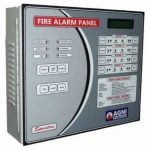
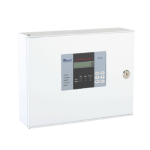
1. Fire Alarm Control Panel (FACP)
The heart of the system, such as the Simplex 4100ES, processes data from all devices and controls notifications.
2. Detectors
- Smoke detectors – Sense particles in the air.
- Heat detectors – Trigger on rapid temperature rise.
- Flame detectors – Detect infrared or ultraviolet light from flames.
3. Manual Pull Stations
Allow occupants to manually raise the alarm during emergencies.
4. Notification Devices
- Horns, strobes, sirens, and speakers.
- Voice evacuation for clear instructions.
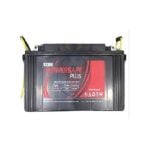
5. Power Supply & Backup
Ensures the system operates even during power outages.
6. Communication Interface
Connects to monitoring stations or integrates with building systems.
Advantages of a Simplex Fire Alarm System
Choosing a Simplex fire alarm system comes with multiple benefits that make it a preferred option for large facilities.
- Precise detection – Identifies exact device location.
- Scalability – Supports thousands of devices across large campuses.
- Customisation – Configurable to meet unique building layouts.
- Integrated safety – Connects with security, HVAC, and suppression systems.
- Reliable performance – Proven track record in mission-critical environments.
- Voice evacuation – Guides people clearly in emergencies, reducing panic.
Limitations of a Simplex Fire Alarm System
While highly advanced, Simplex systems are not without drawbacks.
- Higher upfront cost – More expensive than conventional systems.
- Professional installation needed – Requires trained technicians.
- Complex maintenance – Needs regular servicing for maximum reliability.
However, for facilities where safety and compliance are non-negotiable, the investment is well worth it.
Where Are Simplex Fire Alarm Systems Used?
Due to their reliability and scalability, Simplex fire alarm systems are commonly installed in:
- Hospitals and healthcare centres.
- Universities, schools, and libraries.
- Airports and transportation hubs.
- Government buildings.
- Industrial facilities and warehouses.
- Large commercial complexes.
Simplex Fire Alarm vs Conventional Fire Alarm
Many people wonder how a Simplex fire alarm compares to a conventional system.
| Feature | Simplex Fire Alarm (Addressable) | Conventional Fire Alarm |
| Identification | Pinpoints exact device location | Shows alarm by zone only |
| Scalability | Thousands of devices supported | Limited number of zones |
| Integration | Works with security, HVAC, etc. | Minimal integration |
| Cost | Higher initial investment | Lower initial cost |
| Response Time | Faster, more precise | Slower, less precise |
Testing & Maintenance of Simplex Fire Alarm Systems
To remain compliant and effective, regular testing is essential.
- Weekly tests – Activate a different manual pull station each week.
- Monthly inspections – Check batteries, power supply, and signals.
- Quarterly checks – Inspect cabling, detectors, and notification appliances.
- Annual service – Comprehensive professional servicing and simulation of fire scenarios.
Frequently Asked Questions
1. Do Simplex fire alarm systems detect smoke?
Yes. Simplex fire alarms use smoke detectors that sense particles in the air. When smoke is detected, the system pinpoints the exact detector location and activates alarms.
2. How does a Simplex fire alarm system work?
The system monitors devices such as smoke and heat detectors. When a device is triggered, the control panel processes the signal, locates the device, and activates sirens, strobes, or voice evacuation instructions.
3. What is the main advantage of an addressable fire system?
The biggest advantage is accuracy. Addressable systems, including Simplex, identify the exact location of the alarm, allowing quicker response and reducing false alarms.
Final Thoughts
A Simplex fire alarm system is one of the most advanced solutions available today. With its precision detection, integration capabilities, and proven reliability, it is ideal for hospitals, universities, airports, and large-scale buildings where fire safety cannot be compromised.
If you want a trusted, future-ready fire protection solution, explore the Simplex 4100ES Addressable Fire Detection and Control Panel.
Secure your building with Simplex fire alarm technology today and protect what matters most.

