
Your list is empty, add products to the list to send a request








Choosing Fire Sprinklers for Residential Safety

05
Jan
A fire sprinkler system is one of the most reliable ways to protect homes from fire-related damage and loss of life.
Residential fires often spread quickly, leaving little time for occupants to react or escape.
Choosing the right fire sprinkler for your home helps control fires at an early stage.
This guide explains how residential fire sprinklers work, where they are used, and how to choose the right sprinkler heads for long-term safety.
What Is a Fire Sprinkler?
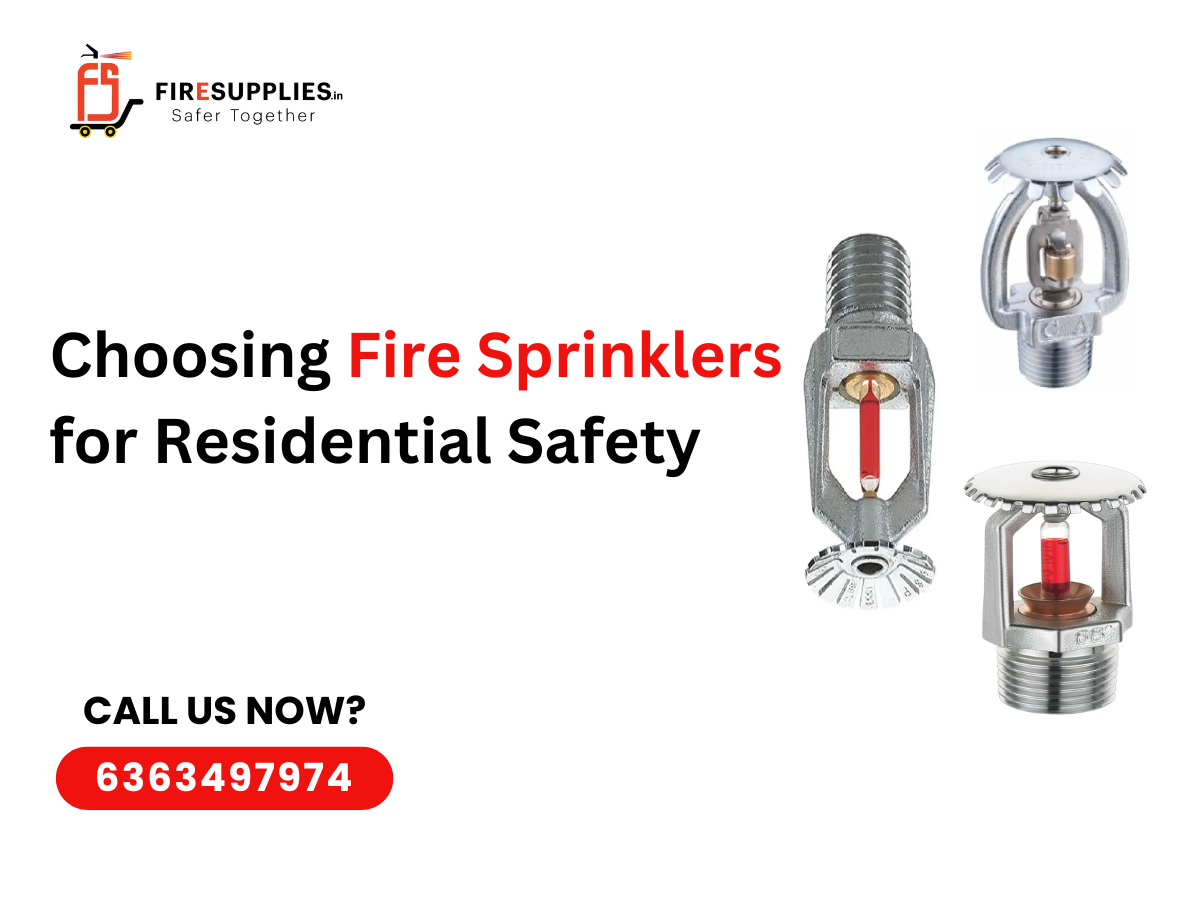
A fire sprinkler is an automatic fire protection device that releases water when it detects heat from a fire.
In residential buildings, fire sprinklers help control or suppress fires early, reducing injury risk, property damage, and smoke spread.
Each sprinkler operates individually, responding only to heat in its immediate area.
Technical Details of a Residential Fire Sprinkler
| Technical Aspect | Description |
| Activation Method | Heat-sensitive glass bulb or fusible link |
| Water Discharge | Controlled spray pattern |
| Activation Temperature | Pre-set residential ratings |
| Coverage Area | Designed for room-level protection |
| Mounting Style | Ceiling or sidewall |
| System Type | Wet pipe residential system |
These technical features ensure a fire sprinkler functions reliably inside homes.
Why Fire Sprinklers Matter for Residential Safety
Residential fires can start from kitchens, electrical wiring, appliances, or candles.
A fire sprinkler provides constant protection, even when occupants are asleep or away.
Fire sprinklers significantly reduce fire growth and smoke development.
They also improve evacuation time, which is critical in multi-storey residential buildings.
Types of Fire Sprinklers Used in Homes
Different homes require different sprinkler styles based on layout and design.
Pendant Fire Sprinklers
Installed on ceilings and visible.
Common in utility areas and basements.
Sidewall Fire Sprinklers
Mounted on walls near ceilings.
Ideal for rooms where ceiling installation is difficult.
Concealed Fire Sprinklers
Hidden behind a cover plate.
Designed for living rooms and bedrooms where aesthetics matter.
Applications of Fire Sprinklers in Homes
Residential fire sprinklers are used in many areas of a home.
Common applications include:
- Bedrooms and living areas
- Kitchens and dining spaces
- Staircases and corridors
- Apartment common areas
- Villas and gated communities
Fire Sprinklers vs Traditional Fire Safety Methods
Smoke alarms alert occupants, but they do not control fires.
A fire sprinkler actively suppresses the fire, reducing heat and smoke.
Using sprinklers alongside alarms creates a layered fire safety approach.
This combination offers early warning and immediate fire control.
Advantages of Installing Fire Sprinklers in Residential Buildings
Automatic Fire Control
Fire sprinklers activate without manual intervention.
Improved Life Safety
Early suppression reduces injury and fatality risk.
Property Damage Reduction
Fire damage is limited to the affected area.
Low Maintenance
Residential sprinkler systems require minimal upkeep.
Limitations of Residential Fire Sprinklers
While effective, fire sprinklers have some limitations.
- Initial installation cost
- Requires proper design and spacing
- Water discharge may affect furnishings
- Needs periodic inspection
Concealed Fire Sprinklers and Home Aesthetics
Many homeowners worry about visible safety equipment.
Concealed fire sprinkler heads solve this problem.
They blend seamlessly with ceilings and activate only during a fire.
This makes them ideal for modern interior designs.
Buying Guide: Choosing the Right Fire Sprinkler for Your Home
Before selecting fire sprinkler heads, consider:
- Home size and layout
- Ceiling height and finish
- Fire risk areas
- Visual preferences
- Compliance with safety standards
Choosing the right fire sprinkler ensures both safety and visual harmony.
You can explore residential sprinkler head options here:
https://www.firesupplies.in/product-category/sprinkler-accessories/sprinkler-heads/
Installation and Maintenance Considerations
Residential fire sprinkler systems should be installed by trained professionals.
Correct spacing and alignment are critical for effectiveness.
Regular inspections ensure each fire sprinkler remains functional.
Maintenance typically involves visual checks and occasional testing.
Lifespan of Residential Fire Sprinklers
A residential fire sprinkler is designed for long-term use.
With proper installation and maintenance, sprinkler heads can last several decades.
Environmental conditions and water quality may affect lifespan.
Periodic inspections help identify wear or corrosion early.
Standards and Certifications for Residential Fire Sprinklers
Fire sprinklers must meet recognised safety standards.
Key guidance comes from:
- National Fire Protection Association (NFPA)
- Government fire safety authorities
- International fire safety standard organisations
Frequently Asked Questions
FAQ 1: Are fire sprinklers mandatory for Indian homes?
Fire sprinkler requirements depend on local building codes and the type of residential building.
FAQ 2: Do concealed fire sprinklers show in ceilings?
No. Concealed fire sprinklers are hidden behind a cover plate and blend into the ceiling.
FAQ 3: What is the lifespan of a residential fire sprinkler?
A residential fire sprinkler can last several decades with proper installation and inspection.
FAQ 4: Do all fire sprinklers activate at once?
No. Only the sprinkler exposed to heat activates.
FAQ 5: Are fire sprinklers safe around children?
Yes. Sprinklers activate only at high temperatures caused by fire.
FAQ 6: Can fire sprinklers be installed in existing homes?
Yes, with proper planning and retrofitting.
FAQ 7: Do fire sprinklers cause water damage?
They release far less water than firefighting hoses.
FAQ 8: Are fire sprinklers noisy when activated?
They produce a water discharge sound but no alarm noise.
Final Call to Action
Protect your home and loved ones with a reliable fire sprinkler system.
Modern residential sprinklers combine safety, durability, and discreet design.

