
Your list is empty, add products to the list to send a request












Top Reasons to Wear a Reflective Jacket on Construction Sites

23
Jan
A reflective jacket is one of the simplest yet most effective safety tools on a construction site. In environments filled with moving machinery, vehicles, dust, and low visibility, wearing a reflective jacket can be the difference between being seen and being at risk. This guide explains why reflective jackets are essential, how they work, and how to choose the right one for construction safety.
What Is a Reflective Jacket?
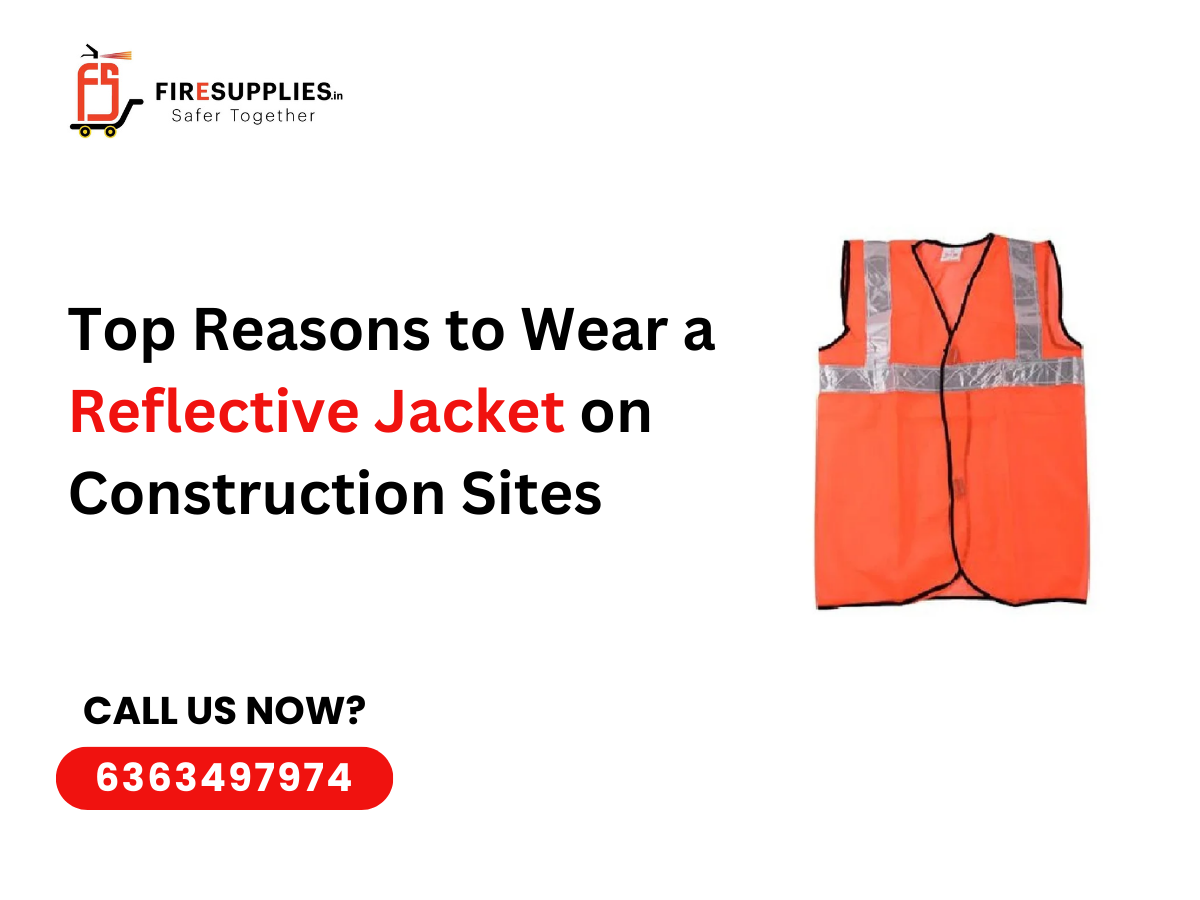
A reflective jacket is a high-visibility safety garment designed to make workers easily noticeable in low-light or high-risk environments. It uses fluorescent fabric for daytime visibility and reflective tape that bounces light back toward its source at night. On construction sites, reflective jackets help prevent accidents by ensuring workers remain visible to drivers, crane operators, and machine operators at all times.
Technical Details of a Reflective Jacket
| Feature | Description |
| Fabric Weight | Typically 90 GSM to 120 GSM |
| Base Colour | Fluorescent yellow, orange, or green |
| Reflective Tape | Silver or micro-prismatic |
| Tape Width | Usually 2 inches |
| Jacket Type | Sleeveless or full-sleeve |
| Closure | Velcro or zipper |
| Visibility Function | Daytime fluorescence + night reflection |
| Application Area | Construction, roadwork, industrial zones |
Why a Reflective Jacket Is Essential on Construction Sites
Construction sites are constantly changing environments. Visibility risks can appear suddenly due to weather, lighting, or movement of equipment. A reflective jacket helps reduce these risks immediately.
Even in daylight, dust, shadows, and visual clutter can hide a worker. At night or during early morning hours, the risk increases further. Reflective jackets ensure workers stand out clearly against their surroundings.
Improved Worker Visibility in High-Risk Zones
Visibility is the first line of defence on any construction site. A reflective jacket ensures that workers remain visible from all angles.
Key visibility benefits include:
- Better recognition by vehicle drivers
- Clear identification near cranes and forklifts
- Reduced blind-spot accidents
- Faster visual response in emergencies
High-visibility clothing has been proven to lower accident rates by making human movement easier to detect.
Reflective Jackets Reduce Vehicle-Related Accidents
Construction vehicles often operate in tight spaces with limited sightlines. Without a reflective jacket, workers may blend into the background.
Reflective tape reflects headlights and work lights directly back to the operator. This early visual alert gives drivers more time to slow down, stop, or adjust direction.
Enhanced Safety During Night and Low-Light Work
Night shifts, tunnels, basements, and indoor construction zones all present low-light challenges. A reflective jacket performs well even when light levels drop significantly.
The reflective tape activates instantly when exposed to:
- Vehicle headlights
- Floodlights
- Torchlight
- Emergency lighting
This makes reflective jackets essential for round-the-clock construction operations.
Compliance With Site Safety Policies
Many construction companies require reflective jackets as part of mandatory personal protective equipment. Wearing one helps meet internal safety rules and external compliance expectations.
Even when not legally required, reflective jackets demonstrate a proactive safety culture. They signal responsibility and care for worker wellbeing.
Suitable for All Construction Roles
A reflective jacket is not limited to one job role. It is suitable for:
- Labourers
- Site supervisors
- Engineers
- Equipment operators
- Safety officers
- Visitors and inspectors
Applications of Reflective Jackets
Reflective jackets are widely used across multiple construction scenarios.
Common applications include:
- Building construction sites
- Road and highway projects
- Bridge and tunnel work
- Demolition zones
- Warehouses and logistics yards
- Mining and excavation areas
Advantages of Wearing a Reflective Jacket
A reflective jacket offers several clear benefits beyond basic visibility.
Key Advantages
- Immediate visual recognition
- Lightweight and comfortable
- Easy to wear over regular clothing
- Cost-effective safety solution
- Low maintenance requirements
Limitations of Reflective Jackets
While effective, reflective jackets are not a replacement for other safety measures.
Limitations to Consider
- Do not protect against physical impact
- Tape performance reduces if damaged
- Must be kept clean for best visibility
Reflective jackets work best when used alongside helmets, gloves, and safety footwear.
How to Choose the Right Reflective Jacket
Selecting the right reflective jacket ensures maximum safety and durability.
Key Buying Factors
- Fabric quality and GSM rating
- Reflective tape width and placement
- Proper sizing for comfort
- Weather suitability
- Closure type for ease of use
For construction sites, a durable jacket with strong stitching and wide reflective tape is recommended.
Maintenance Tips for Long-Lasting Reflective Jackets
Proper care extends the life of reflective jackets.
Maintenance best practices:
- Wash gently with mild detergent
- Avoid harsh scrubbing on tape
- Air dry instead of machine drying
- Store away from direct sunlight
Clean reflective tape maintains brightness and effectiveness.
Certifications for Reflective Jackets
Reflective jackets are often manufactured following recognised safety benchmarks.
Common standards include:
- High-visibility garment specifications
- Colour and reflectivity performance tests
- Tape durability requirements
Using certified reflective jackets ensures consistent visibility performance over time.
FAQs About Reflective Jackets
FAQ 1: What class is a standard reflective jacket?
Most standard reflective jackets fall into basic high-visibility categories suitable for construction and industrial use. The class depends on fabric coverage and reflective tape placement.
FAQ 2: What is the width of reflective tape on jackets?
Most reflective jackets use reflective tape that is approximately 2 inches wide. This width provides strong visibility without restricting movement.
FAQ 3: How many wash cycles can reflective jacket tape last?
With proper care, reflective tape can remain effective for multiple wash cycles. Gentle washing and air drying help preserve reflectivity longer.
Final Thoughts
A reflective jacket improves construction site safety by making workers highly visible in daylight and low-light conditions. It reflects light from vehicles and machinery, helping prevent accidents. Lightweight and affordable, reflective jackets are a simple yet powerful safety solution.
If you are equipping a construction site or upgrading worker safety gear, choose a reliable reflective jacket designed for daily use.
Visit Us

