
Your list is empty, add products to the list to send a request









Smoke Detector Testing Tools for Fire Maintenance Teams

12
Jun
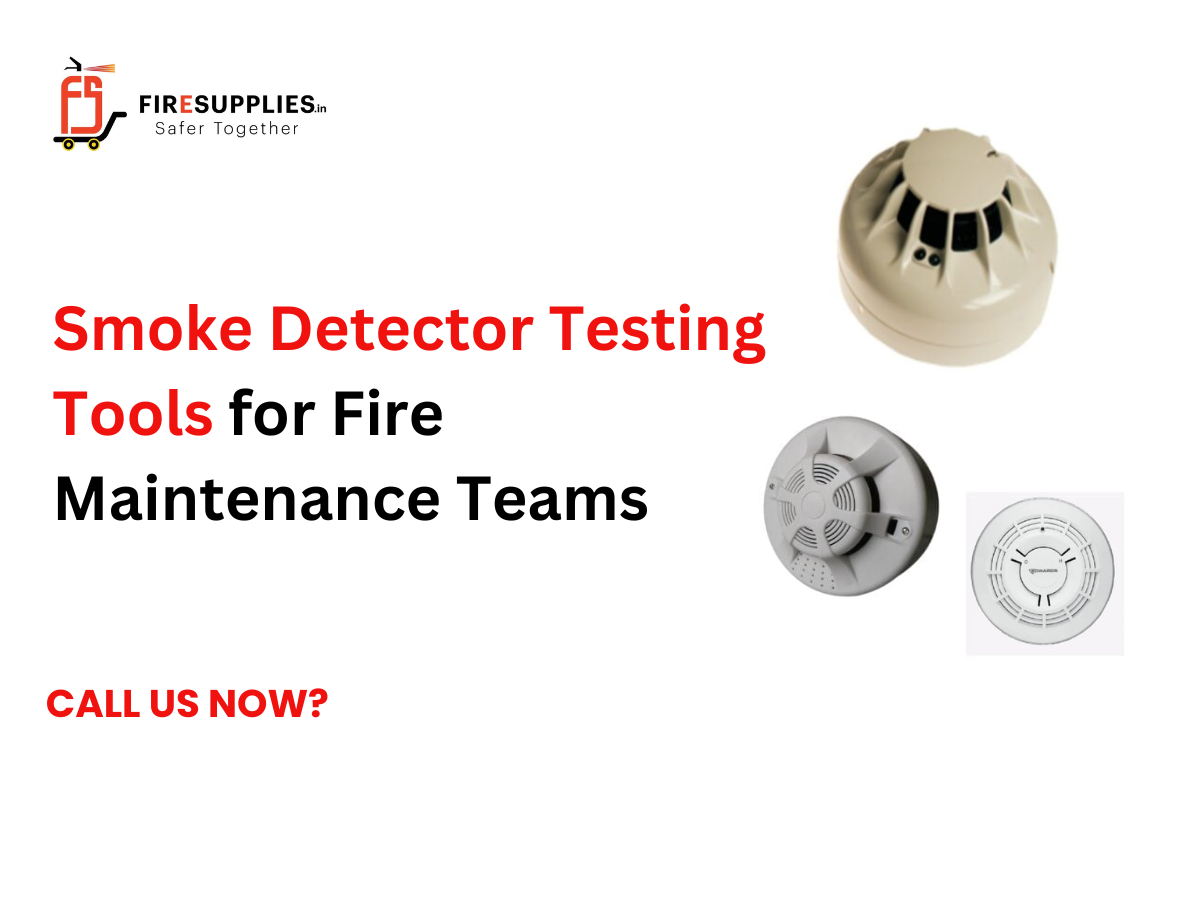
Smoke Detector Testing Tools for Fire Maintenance Teams are purpose-built devices and aerosol solutions used to verify that smoke detectors respond correctly to simulated fire conditions without triggering false alarms or damaging sensitive components.
Fire maintenance teams rely on products such as Solo A10, Solo 330, Solo 365, Testifire 1001, and beam detector test kits to carry out functional testing during scheduled fire alarm maintenance. Routine testing is not only a best practice in most commercial and institutional environments, it is a regulatory requirement tied to fire protection equipment standards and fire alarm system compliance.
Choosing the right fire safety testing tools reduces inspection time, improves technician productivity, and ensures your fire alarm system is ready to protect lives when it counts most.
What Are Smoke Detector Testing Tools and Why Do Fire Maintenance Teams Need Them?
Smoke detector testing tools simulate real smoke or heat conditions to confirm that a detector is functioning as designed. They allow fire maintenance professionals to inspect addressable smoke detectors, conventional smoke detectors, optical detectors, heat detectors, and beam detectors all without generating actual fire or smoke hazards.
The alternative skipping functional testing or relying on visual inspection alone leaves organisations exposed to liability, failed audits, and, critically, detectors that may not activate during an actual emergency.
Professional fire alarm testing equipment provides documented proof of compliance. This is essential for facility managers, fire safety officers, and fire maintenance companies operating across commercial, industrial, and residential sectors.
Types of Smoke Detector Testing Tools: A Technical Overview
The fire safety equipment supplier market offers a range of products tailored to different detector types, building configurations, and inspection programmes.
Solo A10 Smoke Test Aerosol

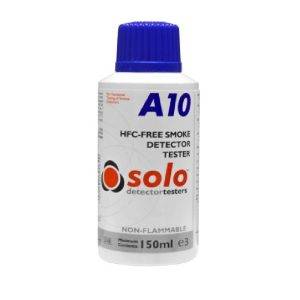
Solo A10 is a detector-approved aerosol used with the Solo 330 smoke dispenser. It produces safe, controlled test smoke that activates photoelectric and ionisation smoke detectors during fire alarm maintenance inspections.
- Approved for use with most major detector brands
- Delivers a measured aerosol dose to minimise residue
- Widely used for annual fire alarm inspections and commissioning tests
- Compatible with Solo 330 extension poles for high-ceiling applications
Solo 330 Smoke Detector Tester

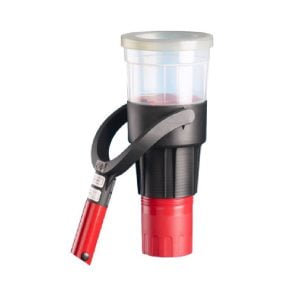
Solo 330 is a manually operated aerosol smoke dispenser. Used with Solo A10 cartridges, it is one of the most cost-effective and widely deployed smoke detector inspection tools in the professional market.
- Suitable for conventional smoke detector testing and addressable detector testing
- Works with telescopic extension poles for elevated detector access
- Trusted by fire maintenance companies across Asia, the Middle East, and Europe
Solo 365 Electronic Smoke Tester

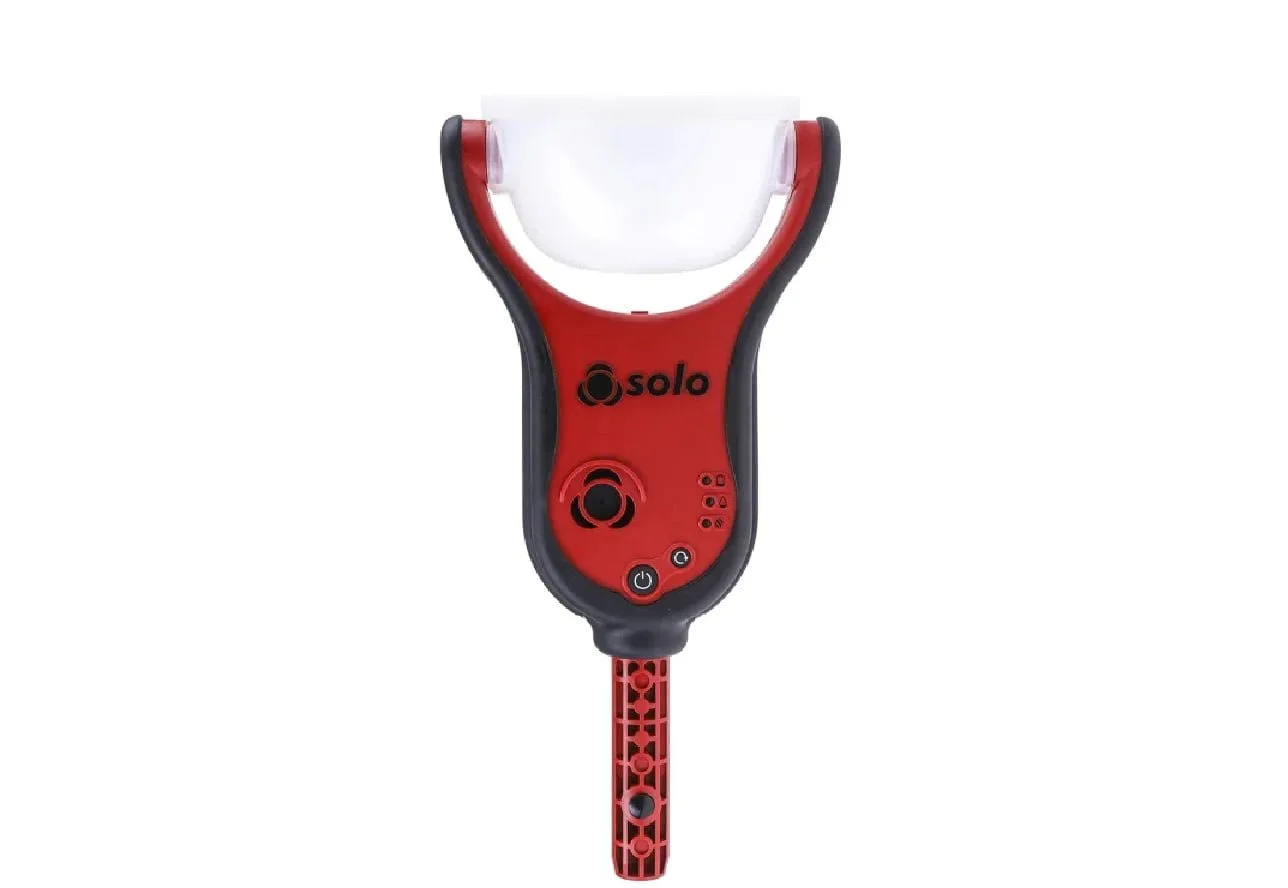
Solo 365 generates smoke electronically using cartridge-based technology, offering a cleaner alternative to traditional aerosol sprays. On-demand smoke generation reduces residue buildup and makes it ideal for frequent testing programmes.
- No aerosol propellant reduces transportation restrictions
- Faster test cycle compared to Solo 330
- Clean, consistent smoke output for high-frequency fire alarm maintenance
- Compatible with Solo extension poles and multi-head detector test systems
Testifire 1001 Multi-Sensor Detector Tester
Testifire 1001 is the industry benchmark for professional fire alarm testing equipment. It tests both smoke and heat detectors using a single unit, eliminating the need to carry multiple tools during large-scale inspections.
- Generates smoke and heat independently or simultaneously
- Suitable for multi-sensor detectors, addressable smoke detector testers, and combined detector heads
- Reduces inspection time and equipment changeovers
- Compatible with extension poles for ceiling-height testing in commercial facilities
Technical Specifications Comparison Table
| Feature | Solo A10 | Solo 330 | Solo 365 | Testifire 1001 |
| Testing Method | Aerosol (manual) | Aerosol dispenser | Electronic cartridge | Electronic (smoke + heat) |
| Detector Types Supported | Smoke | Smoke | Smoke | Smoke + Heat |
| Extension Pole Compatible | Yes | Yes | Yes | Yes |
| Residue Level | Low | Low | Very Low | Very Low |
| Best For | Annual inspections | Routine maintenance | High-frequency testing | Multi-sensor & large sites |
| Aerosol Can Required | Yes | Yes | No | No |
| Suitable for High-Rise Buildings | With pole | With pole | With pole | With pole |
| Addressable Detector Compatible | Yes | Yes | Yes | Yes |
| Conventional Detector Compatible | Yes | Yes | Yes | Yes |
Beam Detector Testing: Conventional Reflective Beam Detectors Explained
Beam detectors are used in large open spaces such as warehouses, atria, sports halls, and aircraft hangars environments where conventional point detectors are impractical.
A conventional reflective beam detector projects an infrared beam across a protected area and monitors for obscuration caused by smoke. When smoke particles interrupt or reduce the beam intensity beyond a preset threshold, the detector triggers an alarm.
Types of Beam Detectors Used in Fire Protection Equipment
Conventional Beam Detector: A standard beam detector that operates on a fixed threshold of beam obscuration. It is cost-effective and widely used in industrial fire alarm systems.
Edwards Beam Detector: The Edwards beam detector is a trusted product in the fire safety equipment market. Edwards (a subsidiary of Carrier Global) manufactures high-performance beam detectors suitable for conventional fire alarm panels and addressable systems. Edwards beam detectors are recognised for reliability, ease of alignment, and compatibility with multi-panel sync configurations in large facilities.
Beam Detector Technical Features
- High bandwidth detection: Enables accurate differentiation between smoke obscuration and environmental interference such as dust, steam, or condensation.
- Multi-panel sync: Allows beam detectors to integrate with multiple fire alarm control panels across large, multi-zone facilities.
- Expandable loops: Supports scalable fire protection configurations, enabling the addition of more detectors as a facility grows.
- Self-alignment and drift compensation: Reduces false alarms and maintenance requirements in environments with temperature fluctuations or building movement.
Testing Beam Detectors
Testing a conventional beam detector involves simulating partial or full obscuration using approved test filters. Maintenance teams apply test filters directly to the beam head to confirm the detector responds correctly at its programmed alarm threshold.
For the Edwards beam detector and similar products, manufacturers provide specific test filter sets rated to standard obscuration levels (typically 25%, 50%, and full block). Functional testing should be performed at commissioning and during periodic fire alarm maintenance inspections.
Use Cases: Where Smoke Detector Testing Tools and Beam Detectors Are Applied
Commercial Office Buildings: Regular testing with Solo 330 or Testifire 1001 ensures all ceiling-mounted smoke detectors in open-plan offices are operational.
High-Rise Residential and Hotel Facilities: Testifire 1001 and Solo 365, used with extended poles, allow technicians to test detectors safely from floor level without scaffolding or ladders.
Warehouses and Industrial Facilities: Conventional beam detectors and Edwards beam detectors are preferred for large open-span environments. Testing is performed using manufacturer-supplied obscuration filters.
Hospitals and Healthcare Facilities: Where minimal disruption is critical, Solo 365’s clean electronic smoke generation reduces residue and accelerates testing, supporting compliance without patient disruption.
Malls, Airports, and Public Spaces: Multi-sensor detectors in high-traffic areas benefit from Testifire 1001’s ability to test smoke and heat functions simultaneously, reducing inspection time during off-peak windows.
Advantages and Limitations of Smoke Detector Testing Tools
Advantages
- Compliance assurance: Functional testing provides documented evidence of fire alarm system inspection, supporting regulatory compliance.
- Reduced damage risk: Approved smoke test aerosols and electronic testers avoid contamination or damage to sensitive detector components.
- Improved efficiency: All-in-one tools like Testifire 1001 reduce the number of tools a technician carries and speeds up large-scale inspections.
- Wide compatibility: Products like Solo 330 and Solo A10 are designed to work across most major detector brands and models.
- Extension pole support: Enables safe testing of ceiling-mounted and high-level detectors without the need for elevated access platforms.
Limitations
- Aerosol transportation restrictions: Solo A10 and Solo 330 aerosols may be subject to transportation regulations in certain regions, particularly for air freight.
- Cartridge consumables cost: Electronic testers like Solo 365 require cartridge replacements, adding ongoing operational costs for high-volume testing programmes.
- Beam detector testing complexity: Testing beam detectors requires precise filter application and re-alignment in some environments, adding time to inspection programmes.
- Not a replacement for full system testing: Functional smoke testing confirms detector response but does not substitute for full fire alarm panel testing, wiring checks, or battery backup verification.
Buying Guide: Choosing the Right Fire Alarm Testing Equipment
When selecting Smoke Detector Testing Tools for Fire Maintenance Teams, consider the following factors:
- Detector types on-site: If your site uses multi-sensor detectors, invest in Testifire 1001 to test smoke and heat in one pass.
- Testing frequency: For high-frequency programmes, Solo 365 or Testifire 1001 offer cleaner operation and reduced residue compared to aerosol-only methods.
- Building height and layout: Always confirm extension pole compatibility. For warehouses with beam detectors, ensure you source the correct obscuration test filter sets.
- Aerosol transport requirements: If your team travels by air to remote sites, electronic testers such as Solo 365 or Testifire 1001 avoid aerosol carriage restrictions.
- Budget: Solo 330 with Solo A10 aerosols is the most cost-effective entry point for smaller maintenance teams.
- Certification and approvals: Ensure the testing tool you choose is approved by your detector manufacturer. Using non-approved aerosols may void detector warranties and compromise compliance documentation.
Standards and Certifications for Smoke Detector Testing Tools
Professional fire alarm testing equipment should conform to or support compliance with the following standards and certifications:
| Standard / Certification | Relevance |
| EN 54 (Europe) | Performance standards for fire detection and alarm system components |
| NFPA 72 (USA / International) | National fire alarm and signalling code; specifies inspection and testing requirements |
| BS 5839-1 (UK) | Code of practice for design, installation, commissioning, and maintenance of fire alarm systems |
| IS 2189 (India) | Bureau of Indian Standards specification for automatic fire detection and alarm systems |
| UL 268 | Standard for smoke detectors used in fire alarm systems (USA) |
| CE Marking | Required for fire safety products sold within the European Economic Area |
Maintenance teams should ensure that the smoke detector testing tools they use are cited as approved test methods by their detector manufacturer. Test records should reference the tool used, test date, detector location, and result.
FAQs About Smoke Detector Testing Tools
1. What are Smoke Detector Testing Tools for Fire Maintenance Teams used for?
Smoke detector testing tools are used to verify that smoke detectors respond correctly to simulated smoke conditions. Fire maintenance teams use products such as Solo A10, Solo 330, Solo 365, and Testifire 1001 to perform functional testing without damaging detectors, helping maintain fire alarm system compliance and reliability.
2. Which smoke detector tester is best for professional fire alarm maintenance?
Testifire 1001 is one of the best all-in-one solutions for professional fire alarm maintenance teams. It allows technicians to test smoke and heat detectors using a single device, reducing testing time and improving efficiency. For smoke-only testing, Solo 365 offers a fast and clean alternative.
3. What is the difference between Solo 330 and Solo 365?
Solo 330 uses smoke test aerosols (Solo A10), while Solo 365 generates smoke electronically using cartridges. Solo 330 is cost-effective and widely used, whereas Solo 365 offers cleaner operation, reduced residue, and on-demand smoke generation making it better suited for high-frequency testing programmes.
4. How does Solo A10 smoke test aerosol work?
Solo A10 creates detector-approved test smoke that activates smoke detectors safely during maintenance. When used with the Solo 330 dispenser, it delivers a controlled amount of smoke to verify detector operation without contaminating sensitive components. It is widely used for annual fire alarm inspections and commissioning tests.
5. Can Testifire 1001 test both smoke and heat detectors?
Yes. Testifire 1001 can test both smoke and heat detectors using a single testing unit. It generates smoke and heat on demand, allowing technicians to perform individual, sequential, or simultaneous tests on multi-sensor detectors improving productivity and reducing equipment requirements.
Ready to Equip Your Fire Maintenance Team with the Right Tools?
Effective fire protection starts with verified, functional fire detection equipment and that begins with using the right Smoke Detector Testing Tools for Fire Maintenance Teams.
Whether you need Solo A10 aerosols for routine annual inspections, Solo 365 for a high-frequency maintenance programme, Testifire 1001 for multi-sensor detector testing on commercial sites, or conventional beam detector test kits for industrial facilities sourcing from a trusted fire safety equipment supplier ensures quality, compliance, and reliability.
Contact our fire safety products team today to get expert recommendations for your specific building type, detector inventory, and maintenance schedule. We supply fire fighting products, fire alarm system components, and fire protection equipment to maintenance companies, contractors, and facility managers across India and internationally.
Call us now or 📧 send an enquiry our fire protection equipment specialists will help you build a testing kit that meets your compliance requirements and operational demands.

