
Your list is empty, add products to the list to send a request










How a Reflective Jacket Saves Lives in Low Visibility

24
Jan
A reflective jacket is one of the most powerful safety tools in low-visibility environments. Whether it is night work, rain, fog, dust, or poor lighting, reduced visibility puts lives at risk. This is where reflective jackets play a critical role by making people instantly visible when it matters most.
In this guide, you will learn how reflective jackets save lives, how they work in low visibility, where they are most effective, and how to choose the right one for safety-critical environments.
What Is a Reflective Jacket and Why Does It Matter?
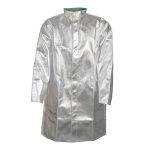
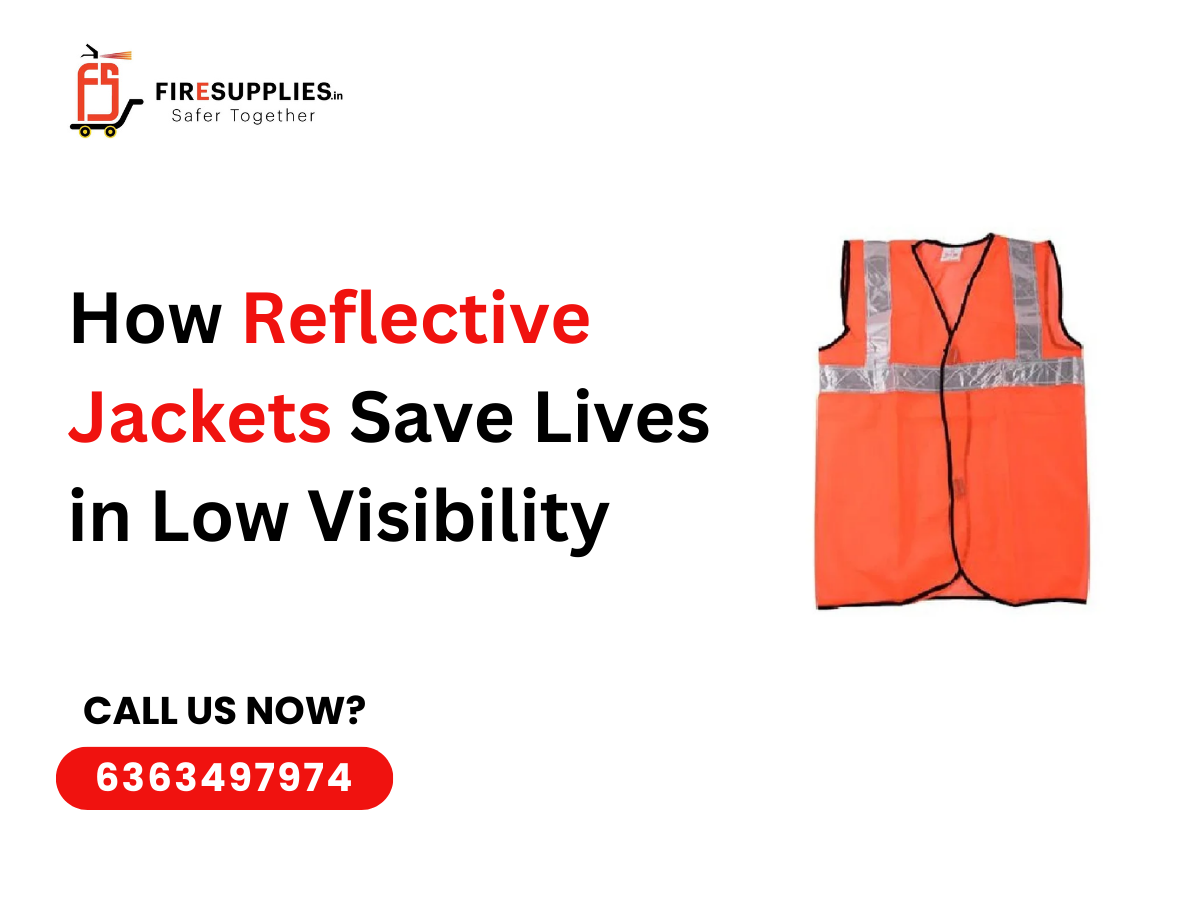
A reflective jacket is a high-visibility safety garment designed to make the wearer clearly visible in low-light or visually complex environments. It uses fluorescent fabric for daytime visibility and reflective tape that reflects light back toward its source at night. In low-visibility conditions, reflective jackets help prevent accidents by ensuring people are seen early and clearly.
Technical Details of a Reflective Jacket
| Feature | Description |
| Fabric Weight | Typically 90 GSM to 120 GSM |
| Base Colour | Fluorescent yellow, green, or orange |
| Reflective Tape | Silver retro-reflective tape |
| Tape Width | Usually 2 inches |
| Visibility Function | Fluorescence + light reflection |
| Closure Type | Velcro or zipper |
| Typical Design | Sleeveless or full-sleeve |
| Primary Use | Low-visibility and night safety |
Why Low Visibility Is One of the Biggest Safety Risks
Low visibility is not limited to nighttime. It occurs whenever sightlines are reduced or contrast is poor.
Common low-visibility conditions include:
- Night and early morning work
- Rain, fog, and mist
- Dusty construction sites
- Poorly lit warehouses
- Underground or indoor work zones
In such conditions, even trained operators can fail to see people without high-visibility clothing.
How a Reflective Jacket Improves Visibility Instantly
A reflective jacket works in two ways.
First, the fluorescent fabric enhances visibility during daylight by creating strong colour contrast. Second, the reflective tape bounces light directly back toward headlights, work lamps, and torches at night.
This dual action ensures the wearer is visible from a distance and from multiple angles.
How Reflective Jackets Save Lives at Night
Nighttime accidents often occur because people are seen too late. Reflective jackets solve this problem by reflecting light directly back to its source.
This early reflection allows:
- Drivers to slow down sooner
- Equipment operators to stop safely
- Supervisors to spot workers quickly
- Emergency responders to locate people faster
Even a few extra seconds of visibility can prevent serious injury.
Performance of Reflective Jackets in Rain and Fog
Rain and fog scatter light and reduce contrast. A reflective jacket cuts through this visual noise by producing a bright reflection that stands out clearly.
Reflective tape remains effective even when wet. As long as light hits the tape, it reflects back strongly, helping maintain visibility despite poor weather.
Reducing Vehicle and Machinery Accidents
Many fatal incidents in low-visibility zones involve moving vehicles or machinery. Workers may enter blind spots without realising it.
Reflective jackets help:
- Highlight human movement
- Reduce blind-spot incidents
- Improve depth perception for operators
- Prevent reversing and turning accidents
This makes them essential for construction, logistics, and industrial sites.
Applications of Reflective Jackets
Reflective jackets are widely used wherever low visibility is a risk.
Common applications include:
- Construction and infrastructure projects
- Roadwork and traffic control
- Warehouses and logistics yards
- Mining and excavation sites
- Emergency response operations
- Industrial plants and factories
Their versatility makes them suitable for both temporary and permanent work environments.
Advantages of Wearing a Reflective Jacket
A reflective jacket offers multiple safety benefits with minimal effort.
Key Advantages
- Immediate improvement in visibility
- Lightweight and comfortable to wear
- Works in both day and night conditions
- Cost-effective safety solution
- Easy to layer over regular clothing
These advantages make reflective jackets one of the highest-impact PPE items.
Limitations of Reflective Jackets
While highly effective, reflective jackets are not a complete safety solution on their own.
Limitations to Consider
- Do not protect against impact or heat
- Tape performance reduces if damaged or dirty
- Must be worn correctly for full effectiveness
Reflective jackets should always be used alongside helmets, gloves, and other PPE.
How to Choose the Right Reflective Jacket
Choosing the right reflective jacket ensures better performance and longer life.
What to Look For
- Fabric quality and GSM rating
- Reflective tape width and placement
- Proper fit and comfort
- Stitching strength
- Suitability for weather conditions
For reliable daily use, choose a jacket designed for industrial and construction environments.
Maintenance Tips for Maximum Visibility
Proper care keeps reflective jackets effective for longer.
Maintenance tips:
- Wash gently using mild detergent
- Avoid bleach and harsh chemicals
- Do not iron over reflective tape
- Air dry instead of machine drying
Clean reflective tape reflects light more efficiently.
Certifications for Reflective Jackets
Reflective jackets are often manufactured according to recognised safety guidelines.
These standards typically cover:
- Minimum visibility requirements
- Reflective tape performance
- Colour brightness levels
- Durability after washing
Certified reflective jackets provide consistent safety performance over time.
FAQs
FAQ 1: What is the night visibility distance of a reflective jacket?
A reflective jacket can be visible from a long distance when illuminated by headlights or work lights. Actual distance depends on lighting strength, tape quality, and environmental conditions.
FAQ 2: How do reflective jackets perform in rain?
Reflective jackets continue to perform well in rain. The reflective tape remains effective when wet and still reflects light clearly.
FAQ 3: What is the heat tolerance of reflective jacket fabric?
Most reflective jackets are designed for regular outdoor and industrial temperatures. They are not fire-resistant unless specifically rated for heat protection.
Final Thoughts
A reflective jacket saves lives in low visibility by making people highly visible during night, rain, fog, and poor lighting. It reflects light from vehicles and equipment, helping operators spot workers early and avoid accidents in hazardous environments.
If safety matters on your site, invest in high-quality reflective jackets that perform reliably in all conditions.
Visit Us

