
Your list is empty, add products to the list to send a request








How Fire Sprinkler Heads Work: Types, Uses, and Safety Benefits

15
Apr
Fire safety is a critical part of any residential, commercial, or industrial space. Understanding how fire sprinkler heads work is essential for protecting lives and property. This guide will also integrate insights from the Complete Guide to fire sprinkler , helping you understand how both systems work together in fire protection.
Fire sprinkler systems are one of the most effective automatic fire suppression solutions available today. They detect heat, activate quickly, and control fires before they spread.
What Are Fire Sprinkler Heads?
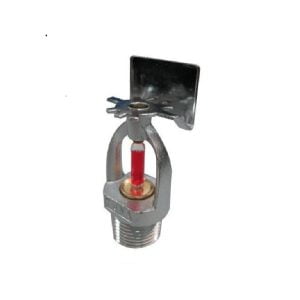
Fire sprinkler heads are heat-activated devices that release water when a certain temperature is reached. They are a key component of automatic fire protection systems and are widely used in buildings to control or extinguish fires at an early stage.
Unlike what many people believe,fire safety products do not all activate at once. Instead, each head operates independently, responding only to heat in its immediate area.
Technical Details of Fire Sprinkler Heads
| Feature | Description |
| Activation Mechanism | Heat-sensitive glass bulb or fusible link |
| Temperature Rating | Typically 57°C to 260°C |
| Water Discharge | High-pressure spray pattern |
| Coverage Area | 9–21 square meters per head |
| Installation Type | Ceiling, wall, concealed |
| System Integration | Works with fire alarms and pumps |
| Response Time | Seconds after heat detection |
These specifications make fire protection sprinkler heads highly reliable in emergencies.
How Fire Sprinkler Heads Work
Fire sprinkler heads operate through a simple yet effective mechanism:
- Each sprinkler contains a heat-sensitive element.
- When the surrounding temperature rises due to fire, this element breaks.
- Water is immediately released from that specific sprinkler.
- The spray cools the fire and prevents it from spreading.
This localized activation is what makes commercial sprinkler heads efficient and minimizes water damage.
In many systems, sprinkler heads work alongside equipment explained in the Complete Guide to fire sprinkler , ensuring both automatic and manual firefighting capabilities.
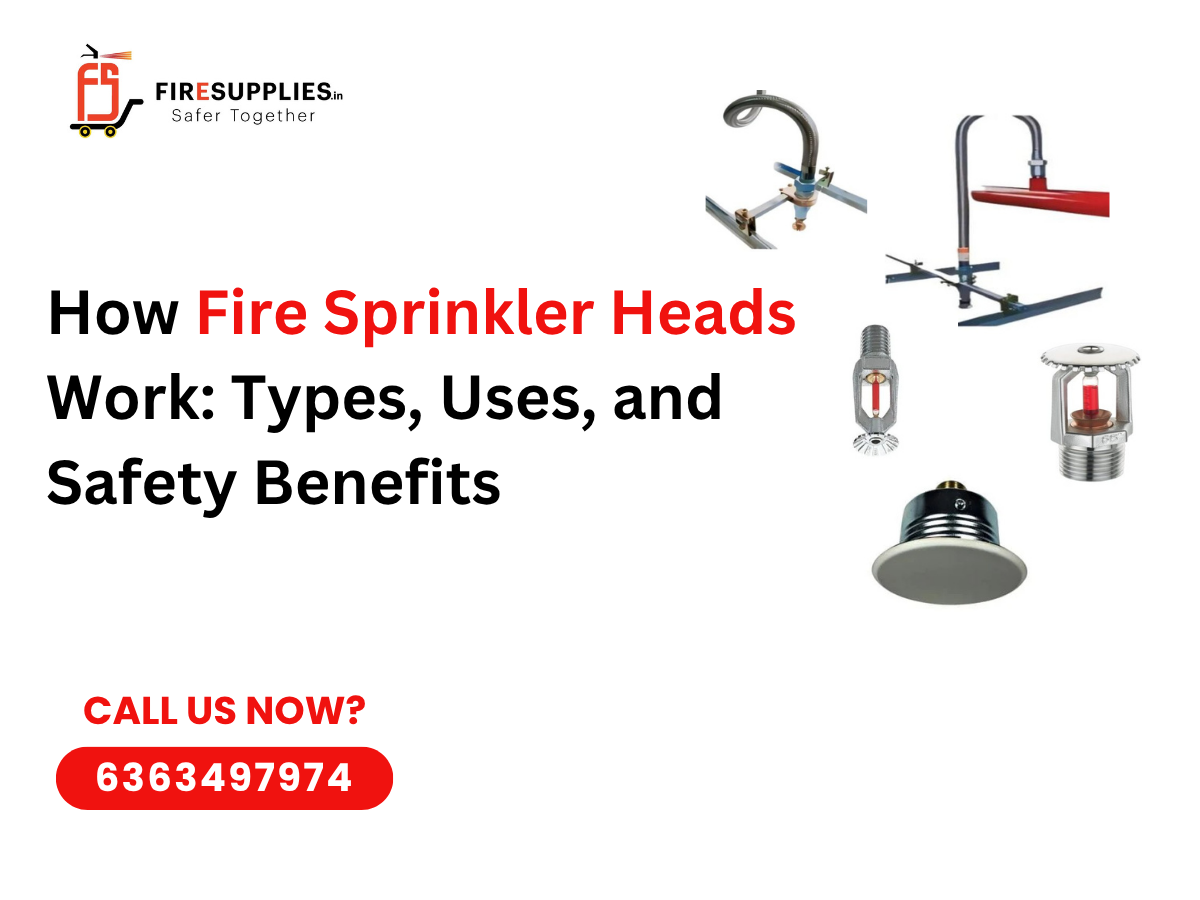
Types of Fire Sprinkler Heads (Fire Sprinkler Head Types)
There are several fire sprinkler head types designed to meet different fire protection needs. Choosing the right sprinkler heads ensures effective coverage and safety across residential, commercial, and industrial environments.
1. Upright Sprinkler Heads
- Installed above piping systems
- Spray water upward and outward for wide coverage
- Commonly used in warehouses and industrial facilities
- These upright sprinkler heads are highly effective fire protection sprinkler heads for open spaces
2. Pendent and Recessed Pendent Sprinklers
- Installed on ceilings for direct downward water flow
- Suitable for offices, homes, and retail spaces
- These fire sprinkler heads are widely used as automatic sprinkler pendant heads due to their efficient activation
3. Concealed Pendent Sprinklers
- Hidden behind decorative ceiling plates for a clean appearance
- Activate automatically when exposed to heat
- Ideal for hotels, malls, and modern interiors
- These Concealed Pendent Sprinklers are popular commercial sprinkler heads for aesthetic spaces
4. Horizontal Sidewall Sprinklers
- Mounted on walls instead of ceilings
- Spray water in a half-circle pattern for targeted coverage
- Best suited for corridors, small rooms, and compact areas
- These Horizontal Sidewall Sprinklers are efficient fire sprinkler head types for limited spaces
5. Vertical Sidewall Sprinklers
- Designed for vertical wall installation
- Provide focused and controlled water distribution
- Used in specialized layouts and unique building designs
- These Vertical Sidewall Sprinklers are reliable fire protection sprinkler heads
Use Cases and Applications of Fire Sprinkler Heads
Fire sprinkler systems are widely used across multiple industries and environments:
Residential Buildings
- Protect homes and apartments
- Prevent fire spread during early stages
Commercial Spaces
- Offices, malls, and hotels
- Use commercial sprinkler heads for large coverage
Industrial Facilities
- Factories and warehouses
- Often use upright sprinkler heads for open areas
Healthcare Facilities
- Hospitals and clinics
- Require reliable and quick-response systems
Educational Institutions
- Schools and universities
- Ensure safety for large groups
In many of these applications, sprinkler systems are supported by fire sprinkler systems discussed in the Complete Guide to fire sprinkler .
Advantages of Fire Sprinkler Heads
1. Early Fire Detection and Control
Sprinklers activate quickly, controlling fires before they spread.
2. Life Safety
They significantly reduce the risk of injury and fatalities.
3. Property Protection
Minimize damage by controlling fires early.
4. Cost-Effective
Lower insurance premiums and reduced repair costs.
5. Automatic Operation
No human intervention required.
Limitations of Fire Sprinkler Heads
While highly effective, sprinkler systems have some limitations:
- Require proper maintenance
- May not be suitable for all fire types
- Installation cost can be high initially
- Water damage may occur if triggered accidentally
However, when combined with systems explained in the Complete Guide to fire sprinkler Heads , overall fire safety improves significantly.
Buying Guide for Fire Sprinkler Heads
Choosing the right sprinkler heads requires careful consideration:
Key Factors to Consider
- Type of building
- Fire risk level
- Installation location
- Water pressure availability
- Compliance with safety standards
Quick Tips
- Use concealed pendent sprinklers for aesthetics
- Choose upright sprinkler heads for industrial use
- Opt for horizontal sidewall sprinklers in narrow spaces
Always ensure compatibility with your overall fire protection system.
Standards and Certifications
Fire sprinkler systems must comply with recognized safety standards:
- NFPA (National Fire Protection Association)
- UL (Underwriters Laboratories)
- FM Global Certifications
- BIS Standards (India)
These standards ensure that fire protection sprinkler heads perform reliably during emergencies.
Authoritative References
- National Fire Protection Association (NFPA) – Fire sprinkler system standards
- Occupational Safety and Health Administration (OSHA) – Workplace fire safety guidelines
- Federal Emergency Management Agency (FEMA) – Fire prevention and protection strategies
These organizations provide trusted guidance on fire safety practices.
Fire sprinkler heads work by detecting heat from a fire. When the temperature rises, the sprinkler activates and releases water directly over the fire area. Only the sprinkler closest to the fire operates, helping control flames quickly and reduce damage.”
FAQs About Fire Sprinkler Heads Work
1: How do fire sprinkler heads work?
Fire sprinkler heads work by detecting heat. When a certain temperature is reached, the heat-sensitive element breaks, releasing water to control or extinguish the fire.
2: Do all sprinkler heads go off at the same time?
No, only the sprinkler head exposed to high heat activates. This prevents unnecessary water damage and ensures targeted fire suppression.
3: What are the main types of fire sprinkler heads?
The main types include:
- Upright sprinkler heads
- Pendent sprinkler heads
- Concealed pendent sprinklers
- Horizontal sidewall sprinklers
- Vertical sidewall sprinklers
Conclusion: Why Fire Sprinkler Heads Are Essential
Fire sprinkler heads are a vital part of any fire safety system. They provide fast, automatic response and significantly reduce fire damage and risk. When combined with other fire safety tools like those discussed in the Complete Guide to Fire sprinkler , they create a comprehensive protection system. Looking to upgrade your fire safety system?
Fire Supplies offers a wide range of high-quality sprinkler heads, including:
- Upright Sprinklers
- Pendent and Recessed Pendent Sprinklers
- Concealed Pendent Sprinklers
- Horizontal Sidewall Sprinklers
- Vertical Sidewall Sprinklers
Contact Fire Supplies today to get expert guidance and reliable fire protection solutions tailored to your needs.

