
Your list is empty, add products to the list to send a request









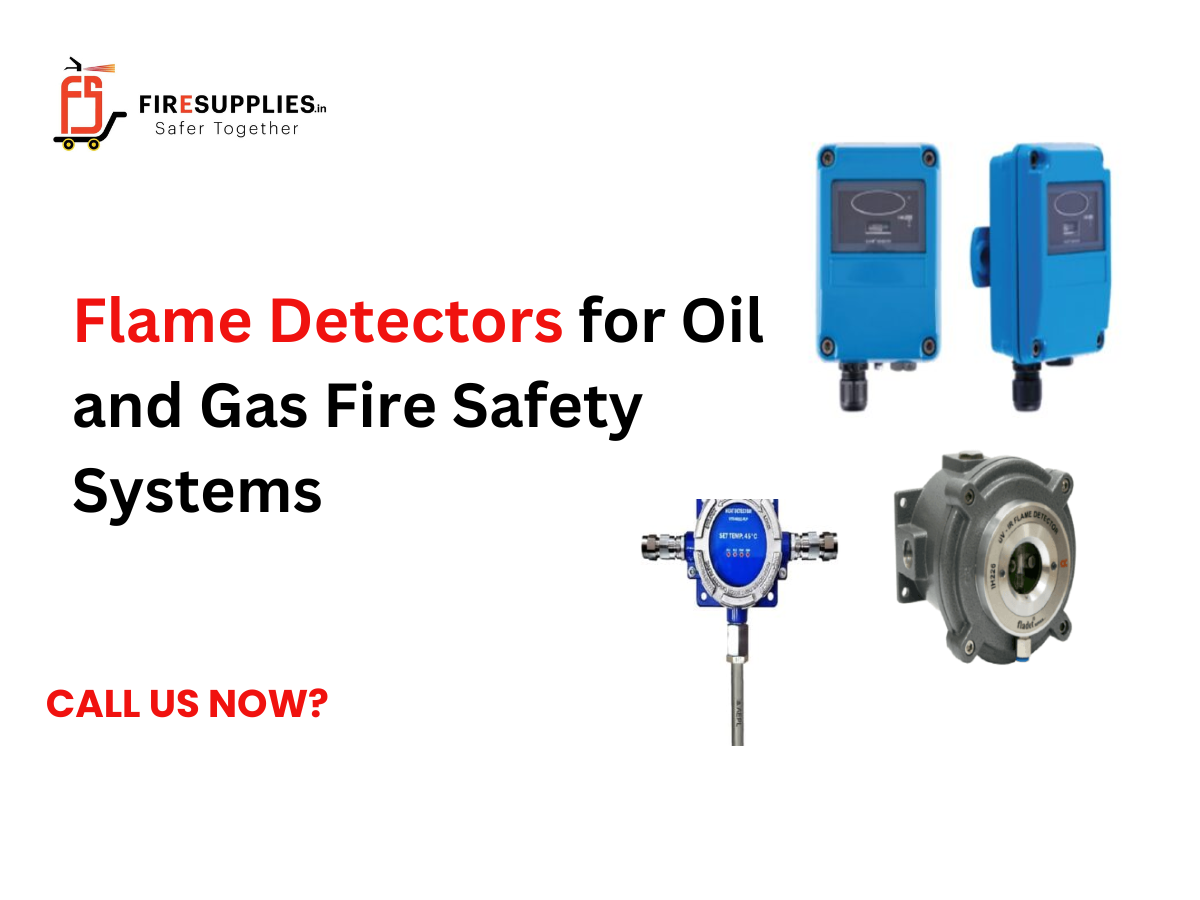
Flame Detectors for Oil and Gas Fire Safety Systems

19
Jun
What Are Flame Detectors for Oil and Gas Fire Safety Systems?
Flame Detectors for Oil and Gas Fire Safety Systems are specialized fire detection devices designed to identify the presence of a flame by sensing specific optical radiation ultraviolet (UV), infrared (IR), or a combination of both emitted during combustion. Unlike heat or smoke detectors, flame detectors respond in milliseconds, making them critical fire protection equipment in environments where hydrocarbon fires can escalate rapidly, such as oil refineries, offshore platforms, gas processing plants, and petrochemical facilities. They are a core component of any industrial fire alarm system where early and reliable flame detection can prevent catastrophic loss of life and assets.
Technical Specifications: Flame Detector Types at a Glance
| Specification | UV Flame Detectors | IR Flame Detectors | UV/IR Flame Detectors | Multi-Spectrum IR Detectors |
| Detection Principle | Ultraviolet radiation (185–260 nm) | Infrared radiation (4.3 µm CO₂ band) | UV + IR dual-channel | Multiple IR wavelength bands |
| Response Time | < 3 seconds | < 3–5 seconds | < 3 seconds | < 3–5 seconds |
| Field of View | 90°–180° cone | 90°–120° cone | 90°–120° cone | 90°–120° cone |
| False Alarm Rejection | Moderate | Good | Very Good | Excellent |
| Fuel Types Detected | Hydrocarbons, H₂, metals | Hydrocarbons | Hydrocarbons + hydrogen | Hydrocarbons (complex fuels) |
| Hazardous Area Rating | ATEX / IECEx / Zone 1 & 2 | ATEX / IECEx / Zone 1 & 2 | ATEX / IECEx / Zone 1 & 2 | ATEX / IECEx / Zone 1 & 2 |
| Operating Temperature | -40°C to +70°C | -40°C to +75°C | -40°C to +75°C | -55°C to +75°C |
| Output | Relay / 4–20 mA / RS485 | Relay / 4–20 mA / RS485 | Relay / 4–20 mA / RS485 | Relay / 4–20 mA / RS485 |
| Enclosure Rating | IP66 / IP67 | IP66 / IP67 | IP66 / IP67 | IP66 / IP67 |
| Self-Test Capability | Yes | Yes | Yes | Yes |
Why Flame Detectors Are Critical in Oil and Gas Fire Safety Systems
The oil and gas industry handles some of the world’s most flammable substances under high pressure and temperature. A single undetected flame can trigger a chain of explosions, putting workers, infrastructure, and the environment at serious risk.
Standard smoke and heat-based fire alarm systems are often too slow for these environments. Flame Detection Systems for Oil and Gas provide an optical response that detects ignition within seconds before a fire grows into an inferno.
Key reasons flame detection is mandatory in this sector:
- Hydrocarbon fires burn with high intensity and spread rapidly
- Outdoor and windy environments (like offshore platforms) dilute smoke, making smoke detectors ineffective
- Explosion risk from gas clouds requires immediate response
- Regulatory compliance with ATEX, IECEx, and NFPA standards demands certified detection solutions
Use Cases and Applications of Industrial Flame Detection Systems
Flame Detectors for Oil and Gas Fire Safety Systems are deployed across a wide range of high-risk industrial environments. Here are the primary applications:
Oil Refineries and Petrochemical Plants
Refineries process massive volumes of flammable hydrocarbons daily. Petrochemical Fire Detection Systems using UV/IR flame detectors are installed near distillation columns, storage tanks, heat exchangers, and pump stations to provide 24/7 monitoring.
Offshore Oil Platforms
Offshore environments are among the most demanding for Flame Sensors for Hazardous Areas. Marine-rated flame detectors such as the Apollo XP95 Marine Flame Detector (UV) and Series 65 Marine Flame Detector (UV) are built to withstand saltwater corrosion, high humidity, and extreme temperature variations.
Gas Processing and LNG Terminals
Liquefied Natural Gas (LNG) terminals use Multi-Spectrum IR Flame Detectors that can distinguish between LNG fires and background IR radiation caused by sunlight, hot surfaces, or machinery drastically reducing false alarms.
Pipeline Compressor Stations
Long-distance pipeline networks include compressor stations where gas is pressurized. Explosion Proof Flame Detectors rated for Zone 1 hazardous areas are essential here to catch any ignition before pressure buildup creates a blast risk.
Power Generation Turbine Halls
Gas turbines running on hydrocarbon fuel require fast-acting flame detection. UV IR Flame Detectors with a wide field of view are placed around turbine enclosures to detect combustion leaks instantly.
Chemical Storage Facilities
Storage areas holding flammable solvents and chemical feedstocks rely on Hydrocarbon Flame Detection solutions with self-testing capability to ensure continuous protection without manual checks.
Advantages and Limitations of Flame Detection Technology
Advantages
- Ultra-fast response detects flames in under 3 seconds, far faster than heat or smoke detectors
- Works in open and outdoor environments where smoke disperses before detection
- No consumable parts optical sensors are low maintenance
- Explosion-proof rated options available for the most hazardous zones
- Wide field of view (up to 180°) allows fewer units to cover large areas
- Self-diagnostics reduce risk of undetected sensor failure
- Compatible with existing fire alarm systems through standard relay and 4–20 mA outputs
Limitations
- Optical window contamination (dust, oil film, moisture) can reduce sensitivity regular cleaning is essential
- UV detectors may trigger false alarms from arc welding or lightning if not properly shielded
- Line-of-sight detection only fires hidden behind equipment may not be detected
- Higher cost compared to conventional smoke or heat detectors
- Calibration may be needed periodically to maintain accuracy in harsh environments
Recommended Flame Detectors for Oil and Gas Fire Safety Systems Top Brands
Choosing the right Fire Protection Equipment starts with selecting a trusted manufacturer. Below are the recommended products from leading brands available for industrial use:
Apollo Reliable Flame Detection for Hazardous Environments
Apollo is a globally recognised brand in fire safety equipment. Their flame detectors offer proven performance across conventional and addressable fire alarm systems.
- Conventional Flame Detector (UV/IR2) – Model 55000-064: Entry-level UV/IR detector suited for standard hazardous area applications with reliable hydrocarbon flame response.
- XP95 Flame Detector (UV/IR2) – Base Mounted – Model 55000-023APO: An addressable detector compatible with Apollo’s XP95 protocol, offering enhanced diagnostics and loop communication.
- XP95 Marine Flame Detector (UV) – Base Mounted – Model 55000-027MAR: Marine-grade construction for offshore platform flame detectors, resistant to salt spray and harsh maritime conditions.
- Series 65 Marine Flame Detector (UV) – Base Mounted – Model 55000-026MAR: Designed for the Series 65 addressable system, ideal for ship engine rooms and offshore processing vessels.
Fladet Triple Sensor Technology for High-Accuracy Detection
Fladet specialises in advanced multi-sensor flame detection for critical industrial applications.
- IH8228 Flameproof Triple Sensor UV-IR Flame Detector: Combines three sensors (UV + dual IR) for maximum discrimination between real flames and false alarm sources. Fully flameproof to ATEX standards.
- IH8227 Triple Sensor Flame Detector (UV/IR): A robust triple-sensor unit offering wide-angle coverage with high immunity to false alarms from sunlight, hot objects, and arc welders.
- IH226 UV-IR Flame Detector: A cost-effective dual-channel UV/IR flame detector suited for indoor and semi-outdoor industrial environments.
Ambetronics Scalable Flame Sensor Solutions
Ambetronics provides scalable Fire Safety Equipment with flexible sensor configurations to match varying site risk levels.
- Single IR / Single UV Flame Detector: Basic dual-channel solution for lower-risk indoor applications and process areas.
- Double IR / Single UV Flame Detector: Enhanced sensitivity for areas with moderate hydrocarbon risk, reducing nuisance alarms.
- Triple IR / Single UV Flame Detector: High-performance unit ideal for open-air petrochemical and refinery environments where false alarm discrimination is critical.
GST Digital Flame Detection with Flameproof Housing
- Digital Flame Proof UV Flame Detector – DI-9104Exd: GST’s flameproof UV flame detector is engineered for Zone 1 hazardous areas, offering digital signal processing for reliable detection in the most demanding conditions.
Tyco Global Leader in Fire Protection Equipment
- Flame Detector Model 811 F: Tyco’s proven Model 811 F is a multi-spectrum IR flame detector used extensively in oil refinery and gas processing fire detection systems worldwide, known for its rugged build and low false alarm rate.
Flame Detector Buying Guide for Oil and Gas Applications
Selecting the right Flame Detection Solutions requires a structured approach. Consider the following before purchasing:
- Identify the Hazardous Zone Classification Confirm whether the installation area is Zone 0, Zone 1, or Zone 2 (ATEX/IECEx). Only certified Explosion Proof Flame Detectors should be used in Zone 1 areas.
- Choose the Right Detection Technology
- UV only → suitable for hydrogen or metal fires, indoor use
- IR only → best for outdoor hydrocarbon fires where sunlight interference is managed
- UV/IR → best all-around choice for mixed environments
- Multi-Spectrum IR → highest discrimination, ideal for offshore and refinery use
- Check Environmental Ratings Look for IP66/IP67 enclosures and ensure the operating temperature range matches your site’s climate extremes.
- Verify Self-Test Capability Industrial sites require detectors with built-in self-test functions to maintain continuous fire protection without manual intervention.
- Confirm System Compatibility Ensure the detector’s output (relay, 4–20 mA, RS485, or addressable protocol) is compatible with your existing Fire Alarm System.
- Source from a Certified Fire Safety Equipment Supplier Always purchase from a recognised Fire Safety Equipment Supplier to guarantee authentic products, warranty support, and after-sales technical assistance.
Standards and Certifications for Flame Detectors in Oil and Gas
Compliance is non-negotiable in hazardous area fire detection. The following standards apply:
| Standard | Scope |
| ATEX Directive (EU) | Explosive atmosphere equipment certification for European markets |
| IECEx | International certification for equipment used in explosive atmospheres |
| EN 54-10 | European standard for flame detectors in fire detection systems |
| NFPA 72 | National Fire Alarm and Signalling Code (North America) |
| FM Approval | Factory Mutual certification for fire protection equipment |
| UL Listed | Underwriters Laboratories listing for fire safety products |
| SIL 2 | Safety Integrity Level for functional safety in process industries |
| IP66 / IP67 | Ingress protection rating for dust and water resistance |
Always verify that your chosen Oil and Gas Flame Detectors carry the relevant certifications for your operating region and hazardous zone classification.
Authoritative References:
- IEC 61779 standard for flammable gas detectors: www.iec.ch
- NFPA 72 National Fire Alarm Code: www.nfpa.org
- UK Health and Safety Executive guidance on flame detection: www.hse.gov.uk
FAQs About Flame Detectors for Oil and Gas Fire Safety Systems
1. What is a flame detector, and how does it differ from a smoke detector?
A flame detector identifies the ultraviolet (UV) or infrared (IR) radiation produced by a fire, while a smoke detector senses airborne combustion particles. Flame detectors provide much faster response times, making them ideal for oil refineries, petrochemical plants, offshore platforms, and other open industrial environments where smoke may disperse before detection.
2. What types of flame detectors are used in oil and gas fire safety systems?
The most common flame detectors used in oil and gas facilities are UV, IR, UV/IR, and Multi-Spectrum IR detectors.
- UV Flame Detectors
- IR Flame Detectors
- UV/IR Combination Detectors
- Multi-Spectrum IR Flame Detectors
These technologies provide reliable flame detection in hazardous and high-risk industrial environments.
3. Which flame detector is best for oil and gas applications?
Multi-Spectrum IR flame detectors are generally considered the best option for oil and gas fire safety systems. They offer superior hydrocarbon flame detection, extended coverage, and excellent resistance to false alarms caused by sunlight, welding, hot machinery, and other environmental factors common in industrial facilities.
4. Can flame detectors be installed on offshore oil and gas platforms?
Yes, marine-rated flame detectors are specifically designed for offshore platforms and harsh outdoor environments. Models such as UV/IR and marine-certified flame detectors feature corrosion-resistant construction, high IP ratings, and reliable operation in saltwater, humidity, extreme temperatures, and harsh weather conditions.
5. What is the difference between UV/IR and Multi-Spectrum IR flame detectors?
UV/IR flame detectors use ultraviolet and infrared sensors, while Multi-Spectrum IR detectors analyze multiple infrared wavelengths simultaneously. Multi-Spectrum IR technology provides better false alarm immunity, longer detection distances, and improved accuracy when detecting hydrocarbon fires in large industrial areas.
6. Are flame detectors suitable for hazardous areas and explosive environments?
Yes, explosion-proof flame detectors are specifically designed for hazardous areas found in oil and gas facilities. Many models are certified for Zone 1 and Zone 2 applications and comply with ATEX, IECEx, and other international standards for operation in potentially explosive atmospheres.
7. How often should flame detectors be tested and maintained?
Flame detectors should typically be inspected and functionally tested every six months. Regular maintenance should include:
- Cleaning detector lenses
- Verifying alarm functionality
- Checking wiring and connections
- Confirming communication with the fire alarm control panel
Routine testing helps ensure reliable fire detection performance.
8. Can flame detectors be integrated with existing fire alarm systems?
Yes, most industrial flame detectors can integrate with modern fire alarm and fire & gas detection systems. Depending on the model, they may support relay outputs, 4–20 mA signals, Modbus communication, or addressable protocols for seamless integration with existing safety infrastructure.
9. What detection range can a flame detector cover in industrial facilities?
The detection range of a flame detector depends on the technology, flame size, and environmental conditions. Many industrial flame detectors can detect hydrocarbon fires at distances ranging from 15 to 65 meters, making them suitable for refineries, storage terminals, and processing plants.
10. Why are flame detectors important in oil and gas fire safety systems?
Flame detectors provide early fire detection, helping prevent catastrophic incidents in oil and gas facilities. Rapid identification of hydrocarbon fires allows emergency systems to activate quickly, protecting personnel, critical equipment, production assets, and overall operational continuity.
Protect Your Facility with the Right Flame Detection System
Don’t leave your oil and gas facility exposed to the risk of undetected fire. At Fire Supplies, we stock a comprehensive range of Flame Detectors for Oil and Gas Fire Safety Systems from the industry’s most trusted brands including Apollo, Fladet, Ambetronics, GST, and Tyco.
Whether you need Explosion Proof Flame Detectors for a Zone 1 refinery, Marine Flame Detectors for an offshore platform, or a complete Petrochemical Fire Detection System for a new build project, our team of fire safety specialists is ready to help.
Contact Fireupplies today to speak with a fire safety expert, request product datasheets, or get a tailored quote for your site. Protect what matters people, assets, and the environment with fire protection equipment you can trust.
Call our technical team | Request a Quote Online | Browse Our Full Range of Fire Safety Products

