
Your list is empty, add products to the list to send a request











Top Lockout Tagout Mistakes That Put Egyptian Workers at Risk

08
Jul
Every year, industrial facilities across Egypt report avoidable injuries caused by poor hazardous energy control. The Top Lockout Tagout Mistakes That Put Egyptian Workers at Risk are rarely the result of carelessness alone; they usually stem from gaps in training, outdated equipment, or rushed maintenance schedules. Lockout Tagout (LOTO) is one of the simplest and most effective safety procedures available to manufacturing, oil and gas, power generation, and construction sites, yet it is often the most overlooked. In this guide, we break down exactly where LOTO programs fail, why it matters, and how the right lockout tagout safety practices and devices can protect your team.
What Is Lockout Tagout (LOTO)?
Lockout Tagout is a safety procedure used to isolate hazardous energy sources before equipment maintenance or servicing begins. It prevents the unexpected startup of machinery or the sudden release of stored electrical, mechanical, hydraulic, pneumatic, thermal, or chemical energy. In short, LOTO ensures that a machine stays “off” and stays safe while someone is working on it. For Egyptian industries operating heavy machinery around the clock, this single procedure is often the difference between a routine maintenance task and a life-threatening incident.
Why Lockout Tagout Safety Matters for Egyptian Industries
Egypt’s industrial base, spanning cement plants, chemical processing, food manufacturing, water treatment, and mining, relies heavily on complex machinery with multiple energy sources. A single lapse in hazardous energy control can lead to crushing injuries, electrical shocks, burns, or worse. Beyond the human cost, LOTO failures create legal exposure, insurance complications, and costly equipment downtime. Strengthening industrial lockout tagout practices is not just a compliance checkbox; it is a direct investment in worker wellbeing and operational continuity.
Top Lockout Tagout Mistakes That Put Egyptian Workers at Risk
1. Failing to Identify and Isolate All Energy Sources
One of the most frequent and dangerous LOTO devices Egypt facilities overlook is a complete energy source audit. Machines often have more than one energy type feeding them, such as electrical power alongside residual hydraulic pressure. Workers who isolate only the obvious source leave a hidden hazard active.
- Electrical energy
- Mechanical energy
- Hydraulic pressure
- Pneumatic pressure
- Thermal energy
- Chemical energy
- Stored or residual energy
- Gravity-related energy
Every one of these must be accounted for before maintenance begins.
2. Using Incorrect or Substandard Lockout Devices
Not every lock or tag is designed for industrial hazardous energy control. Using a generic padlock instead of a certified safety padlock, or attempting to lock out a valve without a proper valve lockout device, creates a false sense of security. Mismatched equipment is one of the leading causes of LOTO procedure failure across manufacturing and processing plants in Egypt.
3. Skipping the Zero-Energy Verification Step
Locking out equipment is only half the job. Workers must also verify that zero-energy status has actually been achieved, typically by attempting to start the equipment after isolation or using calibrated testing tools. Skipping this verification step means a technician may begin work on equipment that still holds dangerous residual energy.
4. Inadequate or Infrequent Employee Training
Lockout tagout safety only works when every worker, from new hires to seasoned technicians, understands the procedure thoroughly. Facilities that treat LOTO training as a one-time event rather than an ongoing program often see a steady rise in near-misses. Refresher sessions, hands-on practice, and clear documentation all reinforce safe habits over time.
5. Removing or Bypassing Another Worker’s Lock
A lockout tagout system only functions if every lock belongs to, and is controlled by, the individual performing the work. Removing someone else’s lock, even with good intentions, defeats the entire purpose of the system and can result in a colleague being exposed to energized equipment without warning.
6. Using Damaged or Worn Lockout Equipment
Frayed cable lockouts, cracked hasps, or padlocks with weakened mechanisms should never remain in service. Routine inspection of industrial safety equipment is essential, and any damaged component should be replaced immediately rather than “making do” until the next shift.
7. Poor Communication During Group Lockout Situations
When multiple workers or trades are servicing the same piece of equipment, a single-lock system is not enough. Group lockout boxes and clear communication protocols are necessary to ensure no one reactivates equipment while a colleague is still working on it.
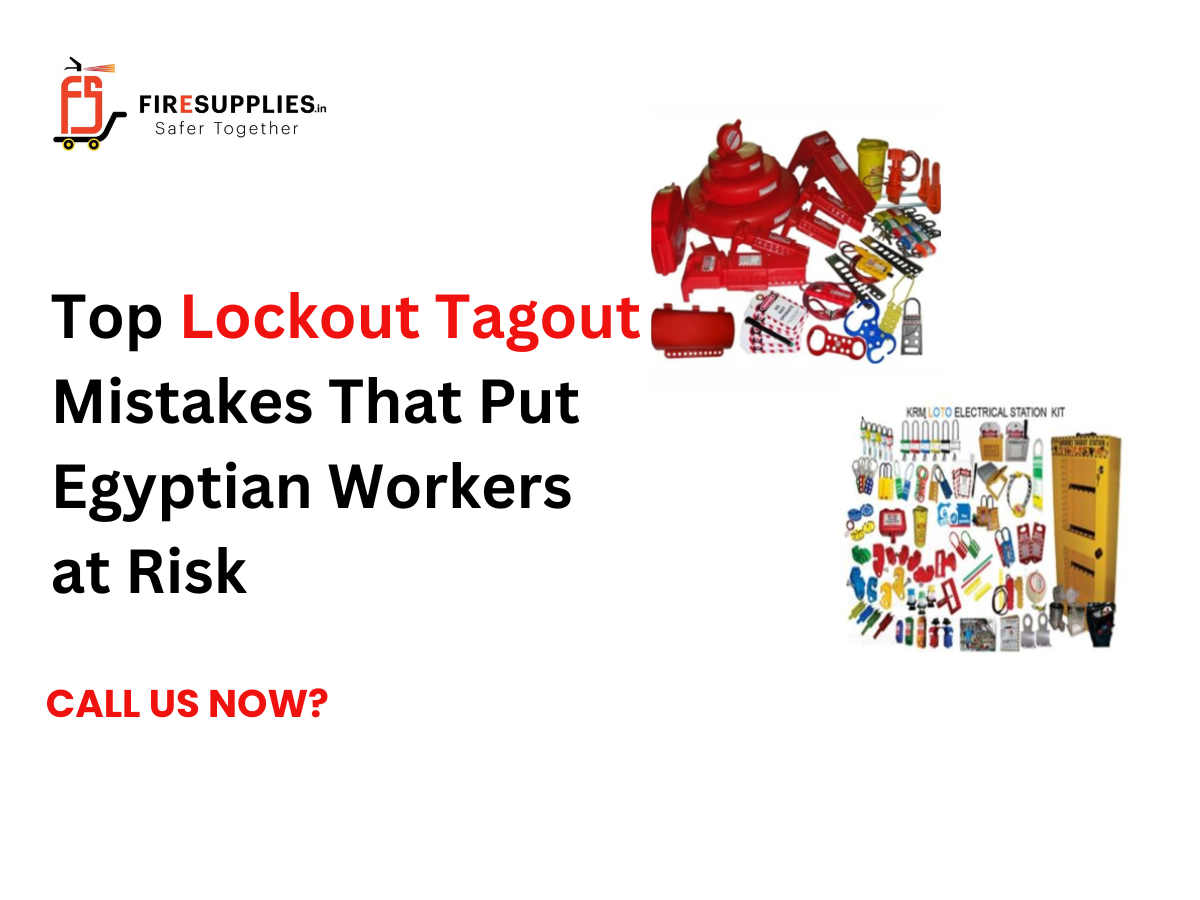
Technical Overview of Common LOTO Devices
| Device Type | Primary Function | Typical Application | Key Feature |
| Safety Padlocks | Physically lock isolation points | Electrical panels, valves | Keyed-alike or keyed-different options |
| Circuit Breaker Lockouts | Prevent breaker reactivation | Electrical distribution boards | High-bandwidth compatibility with multiple breaker sizes |
| Valve Lockout Devices | Isolate hydraulic/pneumatic flow | Pipelines, process valves | Expandable design for multiple valve sizes |
| Cable Lockout Devices | Secure multiple isolation points | Large or irregular equipment | Multi-panel sync across several points simultaneously |
| Plug Lockouts | Prevent electrical plug reinsertion | Portable and fixed equipment | Lightweight, tamper-resistant housing |
| Lockout Hasps | Allow multiple locks on one point | Group lockout scenarios | Expandable loops for shared isolation |
| Group Lockout Boxes | Manage multi-worker lockouts | Large maintenance crews | Centralized key control |
Use Cases and Applications Across Egyptian Industries
Lockout tagout procedures are relevant wherever machinery, electrical panels, or pressurized systems are present. Common sectors include:
- Manufacturing plants
- Oil and gas facilities
- Food processing operations
- Power generation stations
- Cement plants
- Chemical processing sites
- Water treatment facilities
- Mining operations
- General industrial maintenance teams
Each of these environments presents unique hazardous energy control challenges, from high-voltage electrical systems in power plants to pressurized pipelines in oil and gas operations.
Advantages and Limitations of Standard LOTO Programs
Advantages:
- Significantly reduces the risk of unexpected equipment startup
- Creates clear accountability through individually assigned locks
- Supports regulatory and insurance compliance
- Builds a stronger overall safety culture
Limitations:
- Requires consistent training and enforcement to remain effective
- Depends on properly maintained, standards-compliant equipment
- Can be undermined by shortcuts during high-pressure production schedules
- Needs clear group protocols for multi-worker maintenance tasks
Recommended Lockout Tagout Solutions for Egyptian Industries
Rather than relying on mismatched or generic equipment, facilities benefit from standardized, purpose-built kits. Below is a comparison of commonly used LOTO solutions suited to Egyptian industrial environments:
| Product | Best Suited For | Notes |
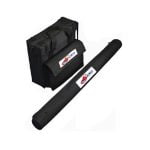
Loto Electrical Plus Mechanical Large Kit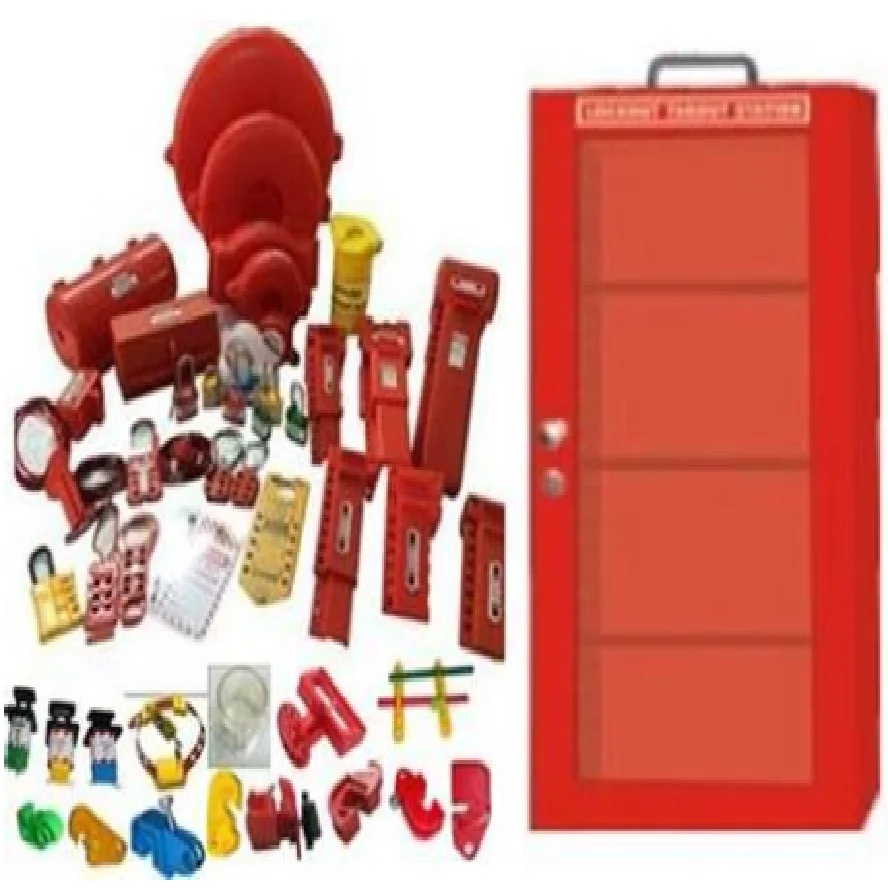 | Multi-hazard facilities | Combines electrical and mechanical isolation tools |
Loto Electrical Kit | Electrical panels and breakers | Compact, portable option |
Loto Valve Kit | Pipelines and process valves | Covers a range of valve sizes |
Loto Cable Kit | Irregular or oversized equipment | Flexible cable-based isolation |
Loto LT Station Kit | Centralized lockout storage | Organizes devices at a fixed station |
KRM LOTO – Electrical Station Kit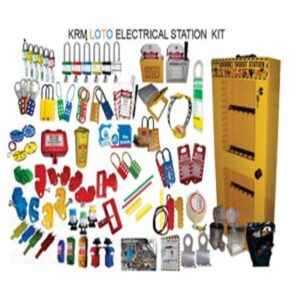 | Electrical maintenance teams | Dedicated electrical isolation station |
U-Safe SH-LOTO-Valve-Kit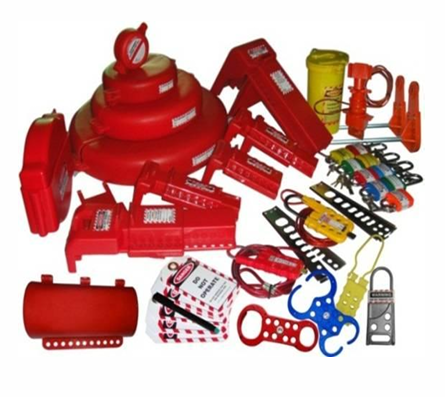 | Valve-heavy process lines | Purpose-built valve lockout set |
Loto Electrical Mechanical Box Kit | Combined maintenance tasks | Boxed, organized kit format |
| Loto Electrical Mechanical Mix Box Kit | Multi-department use | Broad mix of device types |
Pairing these kits with related Personal Protective Equipment (PPE) and Electrical Safety Equipment further strengthens a facility’s overall hazardous energy control program.
Buying Guide: Choosing the Right Lockout Tagout Devices
When selecting LOTO devices Egypt-based facilities should prioritize:
- Energy type coverage – confirm the kit addresses electrical, mechanical, hydraulic, and pneumatic hazards relevant to your site.
- Durability – choose devices built for industrial environments, not general-purpose hardware.
- Standards compliance – verify the equipment meets recognized international safety standards.
- Scalability – consider group lockout boxes if multiple technicians regularly work on shared equipment.
- Supplier reliability – source from an established industrial safety equipment provider with proven experience serving Egyptian industries.
Standards and Certifications
Reputable lockout tagout equipment is typically manufactured and tested in line with internationally recognized occupational safety frameworks, including guidance referenced by the U.S. Occupational Safety and Health Administration and international standards bodies such as the International Organization for Standardization. Facilities operating in Egypt should confirm that any LOTO devices purchased carry documented compliance with these recognized frameworks, as outlined by organizations like the Occupational Safety and Health Administration and the International Organization for Standardization. The National Safety Council also publishes practical guidance on hazardous energy control that many industrial safety teams use as a training reference.
How to Strengthen Lockout Tagout Compliance
Improving compliance starts with standardizing procedures across every shift and department. Facilities should conduct routine audits of lockout tagout kits, replace damaged components without delay, and schedule recurring refresher training rather than a single onboarding session. Documenting every inspection and near-miss also helps safety teams identify patterns before they become incidents.
FAQs About Lockout Tagout (LOTO) Safety in Egypt
- What is Lockout Tagout (LOTO)?
Lockout Tagout is a safety procedure used to isolate hazardous energy before equipment maintenance or servicing begins. It helps prevent unexpected startup or the release of stored energy that could injure workers. - Why is Lockout Tagout important for Egyptian industries?
It protects workers from injuries caused by unexpected equipment energization. Manufacturing, oil and gas, power generation, and construction sectors across Egypt rely on LOTO to improve safety and support regulatory compliance. - What are the most common Lockout Tagout mistakes?
Common mistakes include failing to isolate all energy sources, using incorrect lockout devices, skipping zero-energy verification, insufficient training, removing another worker’s lock, and using damaged equipment. - Which industries in Egypt require Lockout Tagout procedures?
Manufacturing, oil and gas, food processing, power generation, cement, chemical processing, water treatment, mining, and general industrial maintenance all require LOTO procedures. - What types of hazardous energy should be locked out?
Electrical, mechanical, hydraulic, pneumatic, thermal, chemical, stored/residual, and gravity-related energy should all be addressed. - Why is verifying energy isolation important?
Verification confirms hazardous energy has been fully disconnected before work begins, preventing accidental startup and protecting maintenance staff. - What Lockout Tagout devices are commonly used?
Safety padlocks, lockout hasps, valve lockouts, circuit breaker lockouts, plug lockouts, cable lockout devices, lockout tags, and group lockout boxes are all commonly used. - How often should Lockout Tagout equipment be inspected?
LOTO devices should be inspected regularly, with damaged or worn equipment replaced immediately to maintain effective energy isolation. - How can companies improve Lockout Tagout compliance?
Standardized procedures, ongoing training, and routine audits all help reinforce safe maintenance practices and reduce human error. - Where can businesses in Egypt purchase Lockout Tagout devices?
Reliable LOTO devices are available from authorized industrial safety and PPE suppliers serving businesses across Egypt, such as Fire Supplies.
Protect Your Workforce with the Right Lockout Tagout Equipment
Avoiding the Top Lockout Tagout Mistakes That Put Egyptian Workers at Risk starts with the right combination of training, standardized procedures, and certified equipment. Fire Supplies offers a complete range of lockout tagout kits, safety padlocks, valve lockout devices, and circuit breaker lockouts designed for Egyptian industrial environments.
Ready to strengthen your facility’s hazardous energy control program? Contact Fire Supplies today for expert guidance and a tailored Lockout Tagout solution built around your site’s specific needs.

