
Your list is empty, add products to the list to send a request








Heat Detectors vs Smoke Detectors: Where to Use Each

09
Jul
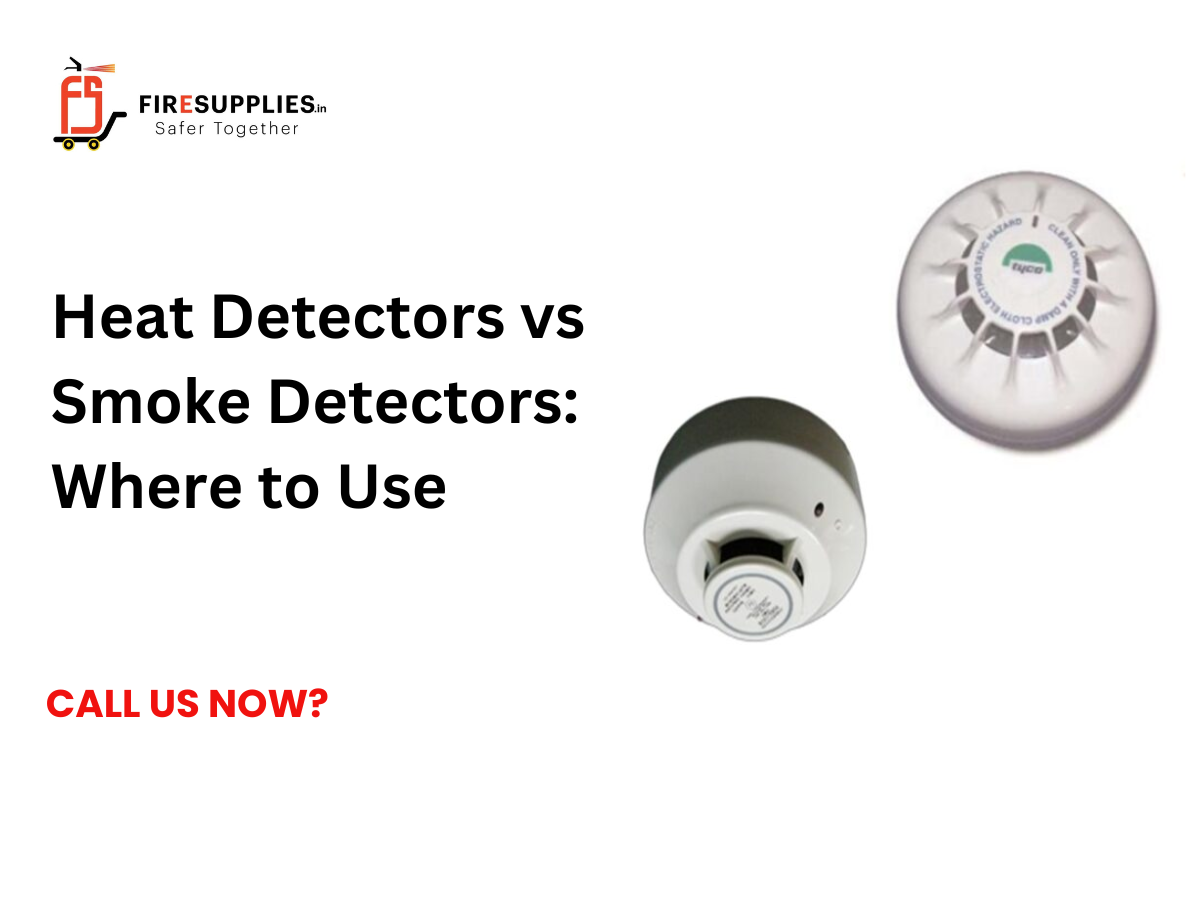
Choosing the right fire detection device can be the difference between an early warning and a costly disaster. Heat Detectors vs Smoke Detectors: Where to Use Each is one of the most common questions facility managers, contractors, and homeowners ask when planning a fire alarm system. Both devices are essential components of modern fire protection equipment, yet they work in very different ways and are suited to very different environments. In this guide, we break down how each detector functions, where it performs best, and how to combine them into a reliable fire detection system that keeps people and property safe.
Whether you are outfitting a warehouse, a commercial kitchen, or a residential building, understanding the distinction between these two fire safety products will help you avoid false alarms, meet compliance standards, and protect your investment. Let’s explore the technical details, use cases, advantages, and buying considerations for both device types.
What Is a Smoke Detector?
A smoke detector is a fire alarm detection device that senses smoke particles in the air, usually through photoelectric or ionization sensing technology, and triggers an alarm before flames become visible. Because smoke is typically the first sign of many fires, smoke detectors are widely regarded as one of the fastest ways to detect a developing fire, making them a standard choice for offices, homes, hospitals, and hotels.
What Is a Heat Detector?
A heat detector is a fire safety equipment device that activates when the surrounding air temperature rises above a set threshold or increases at an abnormally fast rate. Unlike smoke detectors, heat detectors do not respond to smoke, dust, steam, or fumes, which makes them ideal for environments where those conditions are common and would otherwise cause nuisance alarms.
Heat Detector vs Smoke Detector: Technical Comparison
Understanding the technical differences between these fire alarm system components helps clarify why each is suited to specific environments. The table below summarizes the core distinctions.
| Feature | Smoke Detector | Heat Detector |
| Detection Method | Senses smoke particles (photoelectric or ionization) | Senses temperature rise or fixed temperature threshold |
| Response Speed | Generally faster in early-stage fires | Slower, activates once heat builds up |
| False Alarm Risk | Higher in dusty, steamy, or smoky environments | Lower, unaffected by smoke, dust, or fumes |
| Best Suited Environments | Offices, corridors, bedrooms, server rooms | Kitchens, garages, warehouses, boiler rooms |
| Common Types | Photoelectric, ionization, dual-sensor | Fixed temperature, rate of rise, combination |
| Addressable Options | Addressable smoke detectors widely available | Addressable heat detector models for zoned monitoring |
| Bandwidth / Sync | Multi-panel sync supported on most commercial systems | High bandwidth, multi-panel sync supported on addressable loops |
| Loop Compatibility | Compatible with expandable loop architecture | Compatible with expandable loop architecture |
| Typical Coverage Area | 400–900 sq. ft. per unit (varies by code) | 400–2,500 sq. ft. depending on type and ceiling height |
This comparison shows why a single fire detection system often needs both technologies working together rather than relying on just one.
Use Cases and Applications
When to Use a Smoke Detector
Smoke detectors are the preferred fire alarm detection device for spaces where people sleep, work, or gather, since early warning gives occupants more time to evacuate. They are typically installed in:
- Offices and commercial workspaces
- Hotels and hospitality buildings
- Hospitals and healthcare facilities
- Schools and educational institutions
- Residential bedrooms, hallways, and living areas
- Server rooms and data centers
- Corridors and stairwells in commercial buildings
When to Use a Heat Detector
A heat detector, including an addressable heat detector, is better suited to areas where smoke, steam, dust, or cooking vapors are part of normal operations. Typical installation locations include:
- Commercial and industrial kitchens
- Boiler rooms and mechanical rooms
- Generator rooms
- Parking garages
- Warehouse heat detector installations for large open storage areas
- Industrial plants and manufacturing facilities
- Dusty or high-humidity environments
Fixed Temperature vs Rate of Rise Heat Detectors
Within heat detection technology, there are two primary operating principles. A fixed temperature heat detector activates once the air reaches a specific pre-set temperature, making it a stable choice for consistently warm environments like boiler rooms. A rate of rise heat detector, on the other hand, responds to a rapid increase in temperature over a short period, which allows it to detect fast-developing fires even if the absolute temperature hasn’t reached the fixed threshold yet. Many commercial fire alarm systems use combination heat detectors that incorporate both principles for added reliability.
Advantages and Limitations
Smoke Detector Advantages
- Provides earlier warning in most residential and commercial fire scenarios
- Widely required by fire codes for life-safety areas
- Available in addressable formats for precise zone identification
- Works well as part of an integrated commercial fire alarm system
Smoke Detector Limitations
- Prone to nuisance alarms from cooking smoke, steam, or dust
- Not ideal for garages, kitchens, or industrial environments
- May require more frequent cleaning and maintenance in dusty settings
Heat Detector Advantages
- Highly resistant to false alarms from smoke, steam, dust, and fumes
- Well-suited for harsh industrial and mechanical environments
- Durable and low-maintenance in demanding conditions
- Available as an addressable heat detector for integration into zoned, high-bandwidth fire detection systems
Heat Detector Limitations
- Generally slower to respond than smoke detectors
- Not recommended as the sole detection method in occupied living or sleeping areas
- Coverage area and sensitivity vary by detector type and ceiling height
Buying Guide: Choosing the Right Fire Detection Equipment
When selecting fire fighting products and detection devices for a project, consider the following factors:
- Assess the environment. Dusty, steamy, or smoke-prone areas typically call for heat detectors, while clean, occupied spaces are better suited to smoke detectors.
- Check local fire codes. Compliance requirements often dictate detector type, spacing, and coverage area for each zone.
- Consider addressable systems. An addressable heat detector or addressable smoke detector allows precise identification of the exact device that triggered an alarm, which speeds up response time in larger facilities.
- Evaluate ceiling height and layout. Detector sensitivity and coverage area change with ceiling height, so consult manufacturer specifications carefully.
- Choose a trusted fire safety equipment supplier. Working with an established fire protection equipment supplier ensures access to certified, code-compliant products such as the Ravel RE316H, Honeywell IDP/HEAT/ROR/W, and GST detection ranges, all of which are widely used across industrial and commercial fire detection systems.
- Plan for integration. Ensure new detectors are compatible with your existing commercial fire alarm system, including panel type, loop capacity, and multi-panel synchronization needs.
Why Fire Detection Systems Matter for Compliance and Insurance
Beyond life safety, a properly designed fire detection system plays a major role in insurance compliance and regulatory approval. Insurers frequently require documented proof that fire alarm detection devices, including heat detectors and smoke detectors, are installed, tested, and maintained according to manufacturer and code specifications. Facilities that invest in certified fire fighting products and a well-planned commercial fire alarm system often benefit from lower premiums and faster claims processing in the event of an incident. Working with a reputable fire safety equipment supplier from the outset helps ensure that every device, from a simple smoke detector to an addressable heat detector, is documented and code-compliant from day one.
Standards and Certifications
Reliable fire protection equipment should be manufactured and tested according to recognized fire safety standards. Detectors used in commercial and industrial fire alarm systems are commonly required to meet standards set by bodies such as Underwriters Laboratories (UL), the National Fire Protection Association (NFPA), and the European EN 54 series for fire detection and alarm systems. Always verify that your chosen heat detectors, smoke detectors, and fire alarm detection devices carry appropriate certification for your region and application before installation. For further reading on fire detection standards, the NFPA and UL websites provide detailed technical guidance, and the U.S. Fire Administration offers additional resources on residential and commercial fire prevention.
FAQs About Heat Detectors vs Smoke Detectors
- What is the difference between a heat detector and a smoke detector?
A smoke detector identifies smoke particles produced during the early stages of a fire, while a heat detector responds to a significant increase in temperature. Smoke detectors typically provide earlier warning, whereas heat detectors are better suited for environments where smoke detectors may cause nuisance alarms. - When should a smoke detector be used?
Smoke detectors are best installed in areas where early fire detection is essential. They are commonly used in offices, hotels, hospitals, schools, residential buildings, corridors, server rooms, and commercial spaces where smoke is likely to be the first sign of a fire. - Where are heat detectors commonly installed?
Heat detectors are ideal for environments where dust, steam, fumes, or cooking vapors could trigger false smoke alarms. Common locations include kitchens, boiler rooms, generator rooms, parking garages, warehouses, industrial plants, mechanical rooms, and manufacturing facilities. - Which detector is better for industrial applications?
The best detector depends on the specific fire risks and environmental conditions. Many industrial facilities use a combination of smoke and heat detectors to provide comprehensive fire detection while minimizing false alarms. - Can heat detectors replace smoke detectors?
No, heat detectors should not automatically replace smoke detectors in all areas. Smoke detectors generally provide earlier warning of many fires, while heat detectors are intended for locations where smoke detection may be impractical due to environmental conditions. - What types of heat detectors are available?
Heat detectors are available in several types to suit different fire detection requirements, including fixed temperature heat detectors, rate-of-rise heat detectors, combination heat detectors, addressable heat detectors, and conventional heat detectors. - What are the benefits of smoke detectors?
Smoke detectors provide early fire detection, allowing occupants more time to evacuate and emergency responders to react. They help reduce property damage, improve life safety, and support compliance with modern fire protection systems. - Can heat and smoke detectors be installed in the same building?
Yes, many buildings use both heat and smoke detectors to provide comprehensive fire protection. Selecting the appropriate detector for each area helps improve detection reliability and reduces the likelihood of unwanted alarms. - How often should heat and smoke detectors be tested?
Heat and smoke detectors should be inspected and tested regularly as part of a planned fire alarm maintenance program. Routine testing helps verify detector performance, maintain system reliability, and ensure continued compliance with applicable fire safety requirements. - How do I choose between a heat detector and a smoke detector?
Choose the detector based on the fire hazards, environmental conditions, and the purpose of the protected area. Consulting a qualified fire protection professional helps ensure the correct detection technology is selected for each application and integrated properly into the fire alarm system.
Final Thoughts
Understanding Heat Detectors vs Smoke Detectors: Where to Use Each is essential for designing a fire detection system that responds quickly and accurately to real threats while minimizing false alarms. In most cases, the strongest fire protection strategy combines both technologies, placing smoke detectors in occupied living and working spaces and heat detectors in kitchens, garages, warehouses, and industrial areas. Pairing the right device with a certified, code-compliant fire alarm system is the foundation of effective fire safety.
Ready to Upgrade Your Fire Detection System?
Don’t leave your property’s fire safety to chance. Our team of fire protection experts can help you select and install the right combination of heat detectors, smoke detectors, and addressable fire alarm devices including trusted brands like Ravel RE316H, Honeywell IDP/HEAT/ROR/W, and GST tailored to your building’s specific needs. Contact us today for a consultation and quote on fire safety equipment designed to protect what matters most.

