
Your list is empty, add products to the list to send a request










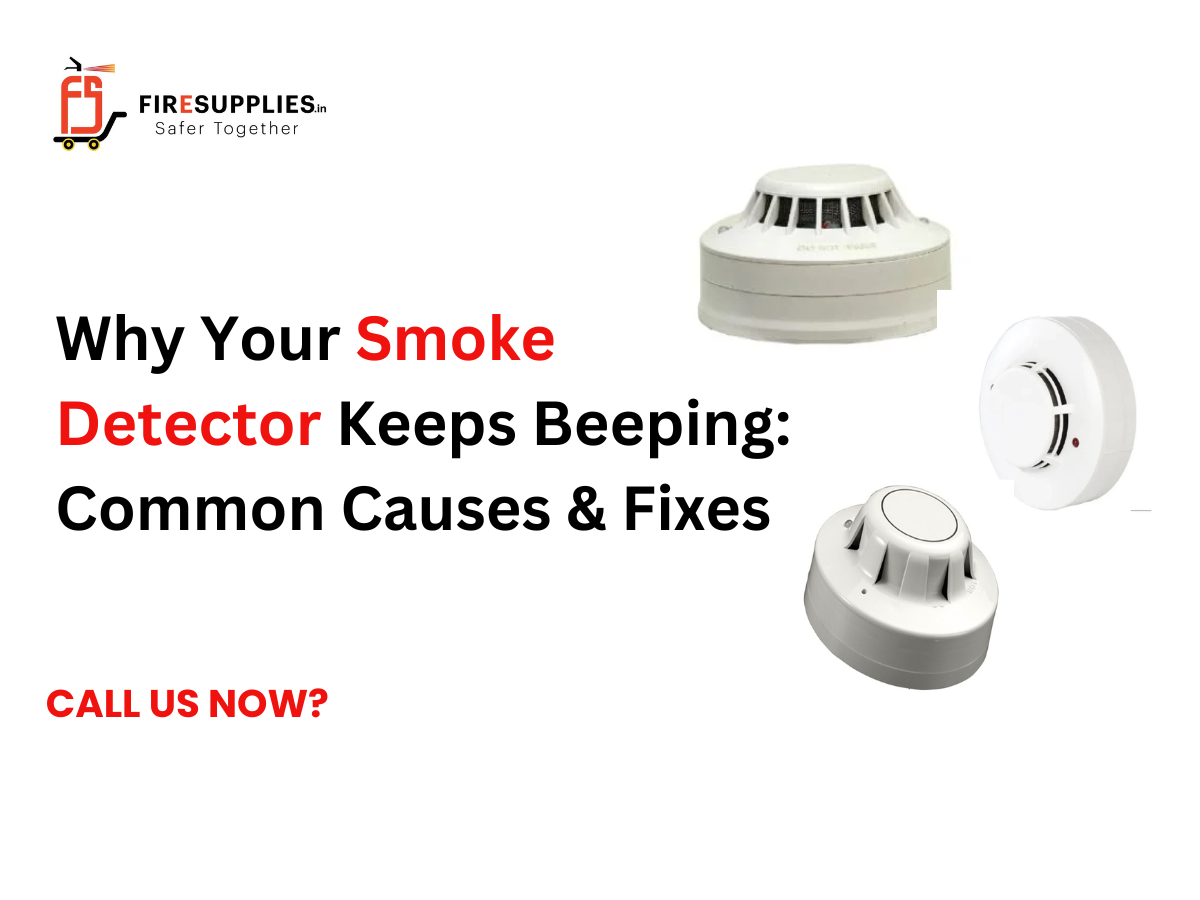
Why Your Smoke Detector Keeps Beeping: Common Causes & Fixes

20
Jul
A beeping smoke detector is more than just an annoyance it’s a signal that something needs your attention. If you’ve been searching for why your smoke detector keeps beeping, you’re not alone; it’s one of the most common fire safety concerns for homeowners, office managers, and facility teams alike. The good news is that smoke detector beeping almost always has a clear, fixable cause, from a simple low battery to a deeper wiring or sensor fault.
In this guide, we’ll walk through every reason your alarm might be chirping, how to diagnose the issue quickly, and when it’s time to consider a smoke detector replacement. Whether you’re dealing with a standalone unit or a hardwired smoke detector beeping in the middle of the night, this article will help you restore peace and quiet and proper fire protection to your space.
Quick Answer: Why Is My Smoke Detector Beeping?
In most cases, smoke detector chirping happens because the unit is trying to communicate a problem. The most frequent triggers are a smoke detector low battery, dust or debris inside the sensor chamber, a power interruption in hardwired systems, or the detector reaching the end of its service life. A single chirp every 30–60 seconds is typically a battery warning, while continuous or erratic beeping usually points to a sensor fault, dust contamination, or improper installation. Identifying the beep pattern is the first step toward a lasting fix.
Technical Overview: Smoke Detector Beep Patterns & Causes
| Beep Pattern | Likely Cause | Recommended Action |
| Single chirp every 30–60 seconds | Low battery | Replace battery with manufacturer-specified type |
| Continuous rapid beeping | Smoke or fire detected, or sensor contamination | Check for smoke; if none, clean sensor chamber |
| Beeping after battery replacement | Incorrect battery type or loose battery compartment | Reinstall battery correctly; confirm polarity |
| Random, unpredictable beeping | Dust, humidity, insects, or electrical interference | Clean unit; relocate away from vents, bathrooms, kitchens |
| Beeping despite new battery (hardwired unit) | Backup battery fault or power supply issue | Inspect wiring and backup battery; consult an electrician if needed |
| Beeping with flashing red/amber light | End-of-life warning or system fault | Replace the detector |
This table reflects general troubleshooting patterns; always refer to your specific detector’s manual, since beep sequences can vary slightly between brands and models such as Agni Hunt, Ravel, Apollo, and Honeywell.
Common Causes Behind a Beeping Fire Alarm Smoke Detector
1. Smoke Detector Low Battery
The single most common reason for smoke detector chirping is a battery running low on power. Most standalone units are designed to emit a short, single beep at regular intervals usually every 30 to 60 seconds as an early warning before the battery fully dies. This design ensures you have time to act before the detector stops working altogether.
Even hardwired smoke detector systems typically include a backup battery for use during power outages, and this battery can also trigger beeping when depleted. Replacing the battery with the exact type recommended by the manufacturer usually resolves the issue within minutes.
2. Dust, Dirt, and Insect Contamination
Smoke detectors rely on sensitive optical or ionization sensors to detect particles in the air. Over time, dust, cobwebs, and even small insects can settle inside the sensor chamber, interfering with normal operation and causing nuisance beeping or false alarms.
Routine cleaning using a soft brush or a vacuum with a brush attachment can help remove buildup and restore accurate detection. This is especially important in industrial or warehouse environments where airborne dust is more common.
3. Power Interruptions in Hardwired Systems
For properties using a fire alarm smoke detector connected directly to the building’s electrical system, brief power interruptions can cause the unit to beep as it switches to backup battery power. Once power is restored, the beeping should stop, but if it continues, there may be a wiring issue or a fault in the backup battery itself.
Facility managers overseeing industrial fire alarm systems should ensure regular electrical inspections are part of their maintenance schedule to avoid recurring nuisance alerts.
4. Incorrect Installation or Battery Type
Sometimes the fix is simpler than expected. If a smoke detector keeps beeping right after a battery change, it could be because the wrong battery type was used, the battery is inserted with reversed polarity, or the compartment isn’t fully closed. Always double-check the manufacturer’s specifications before purchasing a replacement battery.
5. Humidity, Steam, and Cooking Fumes
Detectors installed too close to bathrooms or kitchens are prone to picking up steam, humidity, or cooking smoke, which can trigger temporary beeping or full alarms. This isn’t a malfunction it’s the sensor doing its job but it can be reduced by relocating the unit to a more suitable position, in line with manufacturer placement guidelines.
6. End-of-Life Warning
Most smoke detectors have a recommended service life of around 10 years. As the unit approaches this age, many models emit a distinct beeping pattern often accompanied by a flashing light to signal that it’s time for a full smoke detector replacement rather than a battery swap. Continuing to rely on an expired detector significantly reduces its ability to detect fire reliably.
Use Cases: Where Beeping Detectors Cause the Biggest Risk
- Residential homes bedrooms, hallways, and kitchens where early warning is critical for occupant safety
- Commercial offices open floor plans where a single faulty detector can affect an entire zone
- Industrial facilities environments with dust, heat, or humidity that accelerate sensor wear
- Hospitals and care facilities where reliable, uninterrupted detection is non-negotiable
- Warehouses and storage units large spaces requiring addressable smoke detectors for precise fault location
Advantages and Limitations of Common Fixes
Advantages of prompt troubleshooting:
- Restores reliable protection quickly
- Often resolved without professional help
- Prevents unnecessary full-system replacement costs
- Improves overall fire safety equipment performance
Limitations to keep in mind:
- Cleaning and battery replacement won’t fix internal sensor faults
- Hardwired systems may require an electrician for wiring issues
- Detectors near their 10-year mark should be replaced, not repaired
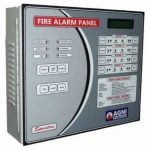
- DIY fixes on fire alarm control panels connected systems can affect the whole network if done incorrectly
Buying Guide: Choosing a Replacement Smoke Detector
If troubleshooting doesn’t resolve the smoke detector beeping issue, replacement is the safer long-term option. When selecting a new unit, consider:
- Sensor type optical (photoelectric) detectors respond well to smoldering fires with less nuisance triggering
- Certification look for EN54-compliant or similarly certified products for verified performance
- Detector category choose between conventional smoke detectors for smaller spaces or addressable smoke detectors for larger, zoned buildings
- Testing accessories pair your detector with proper fire alarm testing tools, such as smoke detector testers, for ongoing maintenance
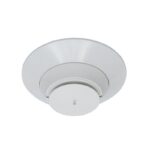
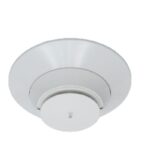
Popular options worth considering include the Agni Hunt Smoke Detector for affordable home and office use, the Ravel RE-316S Optical Smoke Detector for high-sensitivity commercial applications, and the Apollo Series 65 Smoke Detector for premium, long-service-life installations. For routine testing, tools like the Solo A10S Smoke Detector Test Gas and Solo 332 Smoke Detector Tester are widely used by fire safety professionals to verify detector response without creating actual smoke.
Standards & Certifications to Look For
Reputable fire protection equipment should comply with recognized safety standards. According to the U.S. Consumer Product Safety Commission, smoke alarms should be tested monthly and replaced according to manufacturer guidance to ensure continued reliability. Similarly, the National Fire Protection Association (NFPA) provides detailed guidance on smoke alarm installation, maintenance, and replacement intervals as part of its fire and life safety codes. For products used in commercial or industrial settings, certifications such as EN54 (the European standard for fire detection and alarm systems) indicate that a device has passed rigorous performance testing.
When sourcing equipment from a fire safety equipment supplier, always verify that products meet applicable national or international certification standards before installation.
How to Stop a Smoke Detector From Beeping: Step-by-Step
- Identify the beep pattern single chirps versus continuous alarms point to different causes.
- Replace the battery use the exact type specified by the manufacturer.
- Clean the unit remove dust, cobwebs, and debris from the sensor chamber.
- Check the power supply for hardwired units, confirm there’s no interruption or wiring fault.
- Reset the detector many models have a reset button or require the battery to be removed for 30 seconds.
- Inspect for fault indicators flashing lights often reveal the specific issue.
- Replace if necessary if the unit is near or past its 10-year service life, install a new certified detector.
Following this sequence for smoke detector troubleshooting resolves the vast majority of beeping issues without needing professional intervention.
FAQs About Smoke Detectors That Keep Beeping
- Why does my smoke detector keep beeping?
A smoke detector usually beeps because it needs attention, such as a low battery, dust buildup, sensor contamination, or a system fault. Identifying the cause promptly helps ensure the detector continues to provide reliable fire protection. - Does a single beep every few minutes mean the battery is low?
Yes, a single chirp at regular intervals often indicates a low battery in a standalone smoke detector. Replacing the battery with the correct type usually resolves the issue, although hardwired detectors may also have backup batteries that require replacement. - Can dust cause a smoke detector to beep?
Yes, dust, dirt, insects, and other contaminants can interfere with the smoke sensor and trigger nuisance beeping or false alarms. Cleaning the detector according to the manufacturer’s instructions can help restore normal operation. - Why is my hardwired smoke detector beeping?
A hardwired smoke detector may beep because of a depleted backup battery, power interruption, sensor fault, or end-of-life warning. Inspecting the backup battery and checking the detector status can help identify the cause. - How do I stop a smoke detector from beeping?
First identify the reason for the beeping before attempting to stop it. Common steps include replacing the battery, cleaning the detector, checking for power interruptions, resetting the unit, inspecting for fault indicators, and replacing the detector if it has reached its service life. - How long does a smoke detector typically last?
Most smoke detectors have a recommended service life of approximately 10 years, although this varies by manufacturer and model. After reaching the end of its service life, the detector should be replaced to maintain reliable fire detection. - Can humidity or steam make a smoke detector beep?
Yes, excessive humidity, steam, or cooking fumes can sometimes trigger nuisance alarms or temporary beeping. Installing detectors in suitable locations and following the manufacturer’s placement guidelines helps reduce unwanted activations. - When should I replace my smoke detector instead of repairing it?
Replace the smoke detector if it has reached the manufacturer’s recommended replacement age, continues beeping after troubleshooting, or fails testing. A new certified detector provides more reliable fire protection than a faulty or aging unit. - How often should smoke detectors be tested?
Smoke detectors should be tested regularly using the built-in test button and maintained according to the manufacturer’s recommendations. Routine testing helps verify that the alarm, sensor, and power source are functioning correctly. - Where can I buy replacement smoke detectors in India?
Replacement smoke detectors are available from authorized fire safety equipment suppliers offering conventional and addressable smoke detection solutions. Choosing certified detectors and professional installation helps ensure dependable fire protection for residential, commercial, and industrial buildings.
Final Thoughts
Understanding why your smoke detector keeps beeping puts you back in control of your fire safety system. In most cases, the fix is quick a fresh battery, a clean sensor, or a properly seated compartment. But when beeping persists, especially in an aging unit, replacement is the safest path forward, and pairing it with regular testing keeps your entire fire alarm system running reliably for years to come.
Ready to Silence That Beep for Good?
Is your smoke detector still beeping after replacing the battery? It may be time to replace the detector. Browse our range of Agni Hunt, Ravel, Apollo, and Honeywell Smoke Detectors along with professional Solo testing equipment to keep your fire alarm system working reliably. Explore our full catalog of Smoke Detectors, Addressable Smoke Detectors, Fire Alarm Control Panels, and Fire Alarm Testing Tools today and get expert guidance from our fire safety specialists to choose the right solution for your home, office, or facility.

