
Your list is empty, add products to the list to send a request











Which Fire Extinguisher Is Best for Electrical Fires?

18
Jul
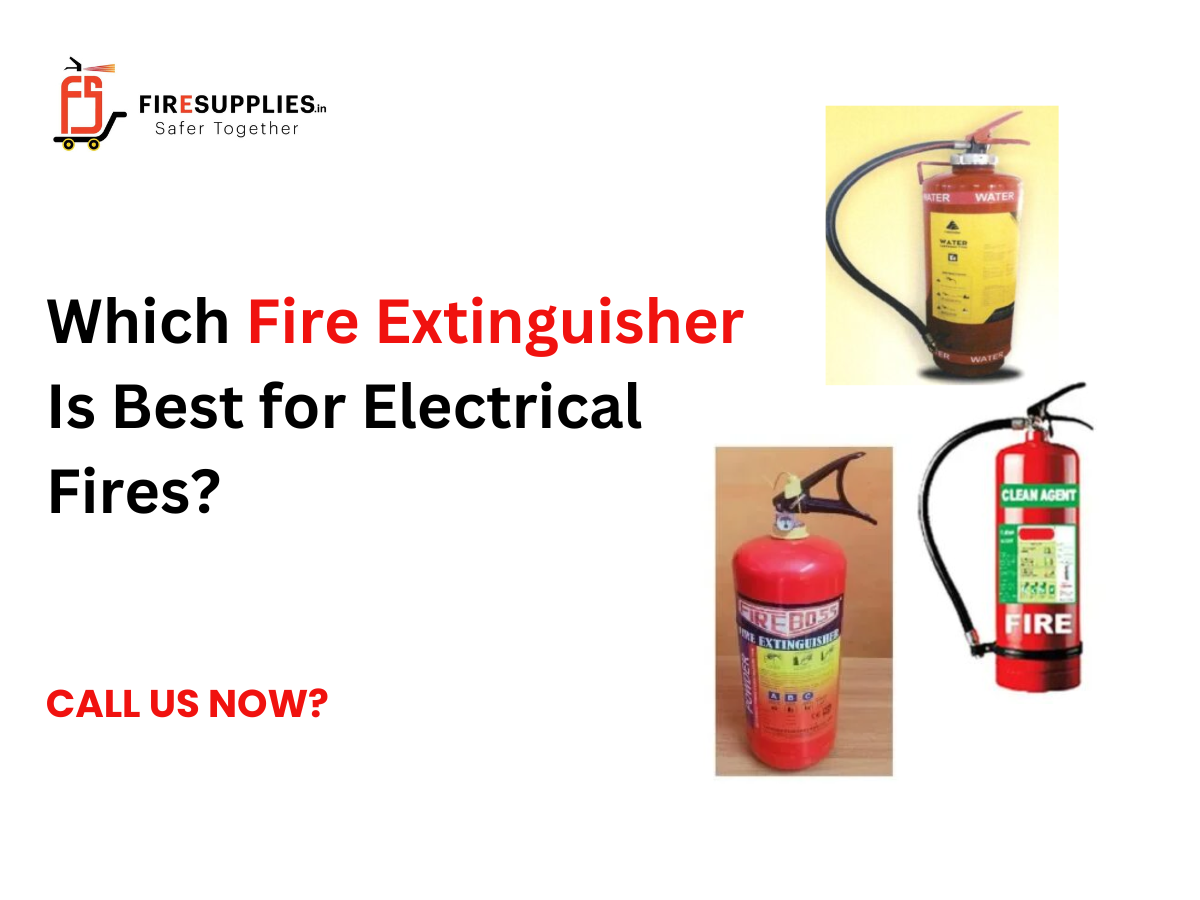
Electrical fires are among the most dangerous and unpredictable hazards found in homes, offices, and industrial facilities. If you have ever asked yourself, “which fire extinguisher is best for electrical fires,” the short answer is this: CO₂ (Carbon Dioxide) and Clean Agent fire extinguishers are the safest and most effective choices for energized electrical equipment, because they do not conduct electricity and leave no residue behind. This guide breaks down everything you need to know from extinguisher types and technical specifications to buying tips and certification standards so you can protect your people, property, and equipment with confidence.
Whether you’re outfitting a server room, an electrical panel, a manufacturing plant, or a corporate office, choosing the right electrical fire extinguisher is not optional it’s a critical part of workplace fire safety compliance. As a trusted fire safety equipment supplier, we help businesses select certified fire fighting products, fire alarm systems, and fire protection equipment that match their exact risk profile. Let’s explore what makes an extinguisher truly suitable for electrical fire safety.
Understanding Electrical Fires (Class C / Class E Fires)
Electrical fires occur when energized wiring, circuit breakers, transformers, motors, or electronic equipment overheats, short-circuits, or sparks and ignites nearby combustible material. These fires are classified as Class C fires in the United States and Class E fires in many other regions, and they require a non-conductive extinguishing agent to avoid the risk of electric shock.
Using the wrong extinguisher particularly water or foam on live electrical equipment can be extremely dangerous. Water conducts electricity, which means the person operating the extinguisher could suffer a severe shock. This is precisely why understanding electrical fire safety basics matters just as much as owning the right equipment.
Which Fire Extinguisher Is Best for Electrical Fires?
For most energized electrical fire scenarios, the two best options are:
- CO₂ Fire Extinguisher – Displaces oxygen, leaves zero residue, and is completely safe on live electrical equipment.
- Clean Agent Fire Extinguisher – Uses a non-conductive chemical agent that evaporates without residue, ideal for sensitive electronics.
A dry chemical powder (ABC) fire extinguisher can also be used on electrical fires once the power source is confirmed safe, but it leaves a fine powder residue that can damage circuit boards, servers, and other delicate components. For this reason, ABC extinguishers are typically recommended as a secondary or general-purpose option rather than the first choice for electronics-heavy environments.
Technical Details: Comparing Fire Extinguishers for Electrical Fires
The table below summarizes the key technical differences between the extinguisher types most commonly used for electrical fire protection.
| Extinguisher Type | Extinguishing Agent | Residue | Conductivity | Best Suited For | Typical Capacity |
| CO₂ Fire Extinguisher | Carbon Dioxide (CO₂) | None | Non-conductive | Server rooms, electrical panels, control rooms | 2kg, 4.5kg, 6.5kg |
| Clean Agent Fire Extinguisher | FK-5-1-12, FE-36, or similar gaseous agents | None (evaporates) | Non-conductive | Data centers, UPS rooms, telecom rooms, hospitals | Varies by model |
| ABC Dry Chemical Powder | Monoammonium Phosphate | Fine powder | Non-conductive (agent itself), but not ideal near electronics | General-purpose, isolated power sources | 2kg, 4kg, 6kg |
| Water Extinguisher | Water | None | Conductive (unsafe on live circuits) | Not recommended for electrical fires | N/A |
This comparison highlights why a CO2 fire extinguisher is often the go-to solution for high-value electronic environments, while ABC fire extinguishers remain a versatile backup for broader fire fighting products inventories.
Use Cases and Applications
Different facilities have different electrical fire risks, and the right extinguisher depends heavily on the environment. Below are common applications where each type performs best.
CO₂ Fire Extinguisher for Electrical Panel and Equipment Protection:
- Electrical switchgear and control panels
- Server rooms and IT infrastructure
- Laboratories with sensitive instruments
- Industrial control rooms
Fire Extinguisher for Server Room and Data-Sensitive Environments:
- Data centers and UPS rooms
- Telecommunications facilities
- Hospital equipment rooms
- Broadcasting and media control rooms
Industrial Fire Extinguisher Applications (ABC Type):
- Manufacturing plants with mixed fire risks (Class A, B, and electrical)
- Generator rooms and electrical cabinets
- Warehouses with general combustible and electrical hazards
- Commercial kitchens’ electrical equipment areas
Facilities with a mix of general and electrical fire risks often maintain a combination of CO₂ Fire Extinguishers, Clean Agent Fire Extinguishers, and ABC Fire Extinguishers as part of a layered fire suppression system strategy, supported by Fire Alarm Systems and Smoke Detectors for early detection.
Advantages and Limitations of Each Extinguisher Type
Choosing the best fire extinguisher for electrical fires means weighing the pros and cons of each option against your specific environment.
CO₂ Fire Extinguisher – Advantages:
- Leaves absolutely no residue
- Safe for use on live, energized equipment
- Environmentally cleaner discharge compared to powder agents
CO₂ Fire Extinguisher – Limitations:
- Limited outdoor effectiveness due to rapid gas dispersion
- Not suitable for Class A fires involving deep-seated combustibles like wood or paper
- Requires adequate ventilation after discharge in enclosed spaces
Clean Agent Fire Extinguisher – Advantages:
- Non-conductive and residue-free, ideal for electronics
- Safe for occupied spaces when used correctly
- Effective on both Class B and Class C (electrical) fires
Clean Agent Fire Extinguisher – Limitations:
- Generally higher cost than CO₂ or ABC units
- Coverage capacity may be smaller compared to larger ABC units
ABC Dry Chemical Powder – Advantages:
- Highly versatile across Class A, B, and electrical fires
- Widely available and cost-effective
- Good for general-purpose fire safety equipment needs
ABC Dry Chemical Powder – Limitations:
- Leaves a corrosive powder residue
- Can damage sensitive electronics and circuit boards
- Requires thorough post-fire cleanup
Buying Guide: How to Choose the Right Electrical Fire Extinguisher
When selecting fire protection equipment for electrical fire risks, keep the following factors in mind:
- Identify your equipment sensitivity server rooms and data centers should prioritize CO₂ or Clean Agent extinguishers.
- Check fire classification ratings to confirm the extinguisher is rated for Class C (electrical) fires.
- Consider residue impact powder residue may be acceptable in industrial settings but not near electronics.
- Match capacity to room size larger spaces need higher-capacity units (4.5kg, 6.5kg, or above).
- Verify compliance with recognized fire safety standards and certifications applicable in your region.
- Plan for regular inspection and servicing to ensure extinguishers remain fully charged and operational.
- Combine extinguishers with detection systems such as Fire Alarm Systems and Smoke Detectors for a complete safety strategy.
Businesses seeking a reliable fire safety equipment supplier should always confirm that products are certified, properly labeled, and backed by documented compliance with recognized standards such as those published by the National Fire Protection Association (NFPA), which develops widely referenced fire and electrical safety codes used across the industry (nfpa.org). Employers should also review workplace fire safety guidance from the Occupational Safety and Health Administration (osha.gov), and consult regional fire codes like those maintained by the Bureau of Indian Standards (BIS) for equipment certification in India (bis.gov.in).
Standards and Certifications to Look For
Certified fire extinguishers should meet recognized manufacturing and performance standards. When purchasing industrial fire safety equipment, look for:
- IS 15683 (Bureau of Indian Standards) for portable fire extinguishers in India
- NFPA 10 guidelines for portable fire extinguisher selection and placement
- ISO 7165 international standard for portable fire extinguisher performance
- CE marking for extinguishers sold or used in European markets
- Manufacturer service tags confirming annual inspection and refill dates
Purchasing extinguishers that carry proper certification ensures reliable performance during an actual emergency and supports compliance during fire safety audits.
FAQs About Fire Extinguishers for Electrical Fires
- Which fire extinguisher is best for electrical fires?
CO₂ (Carbon Dioxide) and Clean Agent fire extinguishers are generally the preferred choices for energized electrical fires because they leave no residue and do not conduct electricity. Dry Chemical Powder (ABC) extinguishers can also be used on electrical fires, but they leave a powder residue that may damage sensitive equipment. - Why is a CO₂ fire extinguisher recommended for electrical fires?
A CO₂ fire extinguisher suppresses fire by displacing oxygen without leaving any residue on electrical equipment. It is commonly used in server rooms, electrical panels, offices, laboratories, and industrial control rooms where protecting electronic equipment is important. - Can an ABC fire extinguisher be used on electrical fires?
Yes, an ABC Dry Chemical Powder fire extinguisher can be used on electrical fires if the equipment is energized. It is a versatile extinguisher suitable for Class A, B, and electrical fire risks, although the powder residue may require extensive cleanup after use. - Can water fire extinguishers be used on electrical fires?
No, standard water fire extinguishers should not be used on energized electrical fires. Water can conduct electricity, increasing the risk of electric shock and potentially worsening the incident unless the power source has been safely isolated. - What is a Clean Agent fire extinguisher?
A Clean Agent fire extinguisher uses a non-conductive extinguishing agent that evaporates without leaving residue. It is ideal for protecting sensitive electronic equipment, data centers, communication rooms, medical facilities, and laboratories. - Which industries require electrical fire extinguishers?
Electrical fire extinguishers are recommended wherever energized electrical equipment is present. Common applications include data centers, server rooms, electrical substations, manufacturing plants, control rooms, offices, hospitals, telecommunications facilities, and commercial buildings. - What should I consider when choosing a fire extinguisher for electrical equipment? Choose an extinguisher based on the electrical hazards, equipment value, and potential fire risks. Important factors include the non-conductive nature of the extinguishing agent, fire classification, residue after discharge, equipment sensitivity, extinguisher capacity, and compliance with applicable fire safety standards.
- How often should electrical fire extinguishers be inspected?
Electrical fire extinguishers should be visually inspected regularly and serviced according to the manufacturer’s recommendations and local fire safety regulations. Routine maintenance helps ensure they remain fully charged and ready for emergency use. - Can one fire extinguisher protect against multiple fire classes?
Yes, multipurpose ABC fire extinguishers are designed to tackle Class A, Class B, and electrical fires. However, for locations with sensitive electronics, CO₂ or Clean Agent extinguishers are often the preferred choice because they leave no residue. - Where can I buy fire extinguishers for electrical fires in India?
Fire extinguishers suitable for electrical fires are available from authorized fire safety equipment suppliers offering certified CO₂, Clean Agent, and ABC extinguishers. Selecting the correct extinguisher helps improve workplace safety and ensures effective protection for electrical equipment.
Protect Your Property with the Right Electrical Fire Extinguisher Today
Choosing the correct extinguisher isn’t just a compliance checkbox it’s a decision that can protect lives, prevent costly equipment damage, and keep your facility running safely. Whether you need a CO2 fire extinguisher for your server room, a Clean Agent fire extinguisher for sensitive electronics, or a full range of fire safety products for a larger facility, our certified fire safety experts are ready to help.
Contact Firesupplies team today for a consultation and personalized fire safety equipment recommendation tailored to your facility’s specific electrical fire risks. Get in touch now to safeguard your people, your equipment, and your business.

