Your list is empty, add products to the list to send a request











Complete Guide to Fire Hose Pipe: Types, Uses, and Maintenance


12
Mar
Fire safety systems are essential for protecting lives, buildings, and industrial facilities. One of the most critical components of any fire protection setup is the Fire Hose Pipe, which enables firefighters and emergency responders to deliver water quickly and effectively to control fires.
This Complete Guide to Fire Hose Pipe explains everything you need to know, including types, materials, applications, inspection procedures, and maintenance best practices. Whether used in residential buildings, factories, or commercial facilities, choosing the right Industrial Fire Hose Pipe ensures reliable fire suppression during emergencies.
A high-quality Fire Fighting Hose Pipe is designed to handle high water pressure, resist abrasion, and maintain flexibility even in extreme conditions. When paired with a properly installed fire hydrant system, it becomes one of the most reliable fire safety solutions for modern buildings and industries.
Definition of Fire Hose Pipe
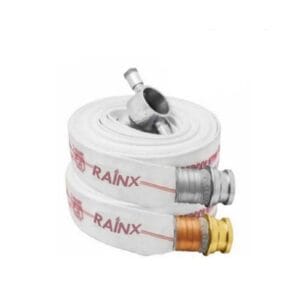
A Fire Hose Pipe is a high-pressure flexible tube designed to carry water or fire-suppressing agents from a water source to the fire location. It is typically connected to hydrants, fire pumps, or fire engines to deliver a continuous water supply for firefighting operations. Fire hoses are an essential part of fire safety systems, widely used in fire hydrant networks, industrial facilities, warehouses, residential buildings, and emergency response vehicles.
These hoses are engineered to withstand extreme pressure and temperature conditions while maintaining durability and flexibility during emergency operations.
Technical Specifications of Fire Hose Pipe
Below is a simplified technical overview of a typical High Pressure Fire Hose Pipe used in firefighting systems.
| Specification | Description |
| Hose Diameter | Common sizes include 38mm, 50mm, 63mm, and 75mm |
| Length | Typically 15m, 20m, or 30m |
| Pressure Rating | Designed for high-pressure firefighting systems |
| Material Layers | Inner rubber lining + reinforced outer jacket |
| Bandwidth / Flow Capacity | High flow rate for fast fire suppression |
| Panel Construction | Multi-layer reinforced panels |
| Expandable Loops | Allows flexibility and easy deployment |
| Temperature Resistance | Resistant to heat and abrasion |
| Compatibility | Works with fire hydrants, pumps, and nozzles |
These specifications ensure that a Fire Hose Pipe for Fire Hydrant System delivers reliable performance in emergency situations.
Types of Fire Hose Pipes Used in Fire Safety Systems
Different firefighting environments require different hose designs. Understanding the types helps users select the Best Fire Hose Pipe for Fire Fighting.
1. Delivery Hose
Delivery hoses transport water from fire hydrants or pumps to the fire location.
Key features:
- Flexible and durable
- High-pressure resistance
- Suitable for fire hydrant systems
They are commonly used as Fire Hydrant Hose Pipe for Buildings in commercial and residential facilities.
Suction Hose
Suction hoses are used to draw water from natural sources like lakes, tanks, or reservoirs.
Characteristics:
- Rigid structure
- Reinforced construction
- Prevents collapsing under suction pressure
These hoses are typically used by fire trucks during emergency operations.
Attack Hose
Attack hoses are used to deliver water directly onto the fire.
Key benefits:
- Lightweight design
- Flexible handling
- High pressure capability
They are widely used by firefighters during active fire suppression operations.
Industrial Fire Hose Pipe
Industrial facilities require specialized hoses capable of handling extreme conditions.
An Industrial Fire Hose Pipe for Factory is designed for:
- Heavy-duty applications
- Chemical resistance
- High-pressure firefighting operations
Factories, refineries, warehouses, and manufacturing plants rely on these hoses for reliable fire protection.
Materials Used in Fire Hose Pipes
The materials used in manufacturing fire hoses directly affect their durability, flexibility, and pressure resistance.
1. Synthetic Rubber
Rubber-lined hoses offer excellent water sealing and flexibility.
Advantages:
- Waterproof construction
- Resistance to chemicals
- Long service life
PVC (Polyvinyl Chloride)
PVC hoses are lightweight and easy to handle.
Benefits include:
- Cost-effective
- Corrosion resistance
- Good flexibility
These are often used in commercial buildings as Fire Hydrant Hose Pipe for Buildings.
Polyester Reinforced Fabric
Modern hoses often use polyester outer jackets.
Advantages include:
- Abrasion resistance
- Lightweight design
- Improved durability
These materials make hoses ideal for High Pressure Fire Hose Pipe applications.
Common Applications of Fire Hose Pipes
Fire hoses play a critical role in modern fire safety systems across multiple industries.
1. Commercial Buildings
Offices, malls, hotels, and hospitals install hydrant systems with Fire Hose Pipe for Fire Hydrant System to provide quick access to water during emergencies.
Industrial Facilities
Factories require Industrial Fire Hose Pipe for Factory operations due to higher fire risks associated with machinery and flammable materials.
Residential Complexes
Apartment buildings often include fire hose reels and hydrant systems as part of their fire prevention equipment.
Warehouses and Storage Units
Warehouses storing combustible goods rely heavily on Fire Fighting Hose Pipe systems for emergency response.
Fire Departments
Municipal fire departments use specialized hoses to deliver large volumes of water during firefighting operations.
Advantages of Fire Hose Pipes in Fire Safety Systems
A properly installed Fire Hose Pipe provides several benefits for fire protection.
1. Fast Fire Response
Fire hoses allow immediate water delivery to the fire source, reducing damage and preventing fire spread.
High Water Flow Capacity
A High Pressure Fire Hose Pipe ensures powerful water flow needed for large-scale fires.
Durable Construction
Industrial-grade hoses are built to withstand heat, pressure, and rough handling.
Versatile Applications
They are suitable for:
- Buildings
- Factorie
- Warehouses
- Fire trucks
Limitations of Fire Hose Pipes
Despite their advantages, fire hoses also have a few limitations.
1. Requires Water Source
Fire hoses depend on a reliable water supply from hydrants, pumps, or tanks.
Regular Maintenance Required
Hoses must be inspected frequently to ensure reliability during emergencies.
Improper Handling Can Damage Hose
Dragging hoses over sharp surfaces may cause wear and leaks.
Fire Hose Pipe Inspection and Maintenance Guide
Regular inspection ensures your Fire Hose Pipe remains functional during emergencies.
Monthly Checks
- Inspect hose jacket for cuts or abrasions
- Check couplings and connections
- Verify hose reel functionality
Annual Testing
- Pressure testing
- Leak detection
- Structural integrity verification
Proper maintenance helps extend the lifespan of Industrial Fire Hose Pipe systems.
How to Choose the Best Fire Hose Pipe
Selecting the Best Fire Hose Pipe for Fire Fighting depends on several factors.
1. Hose Diameter
Choose the correct diameter based on water flow requirements.
Pressure Rating
Industrial applications require High Pressure Fire Hose Pipe capable of handling intense pressure.
Material Quality
Look for reinforced rubber or polyester construction for durability.
Compatibility with Fire Hydrant Systems
Ensure the hose matches the fittings of your Fire Hose Pipe for Fire Hydrant System.
Trusted Supplier
Always purchase from a reliable Fire Hose Pipe Supplier specializing in certified firefighting equipment.
Standards and Certifications for Fire Hose Pipes
Fire hose pipes must comply with international safety standards to ensure reliability.
Important standards include:
- NFPA (National Fire Protection Association) guidelines
- ISO fire safety standards
- BIS standards for firefighting equipment
For detailed fire safety guidelines, refer to authoritative organizations such as:
- National Fire Protection Association (NFPA)
- Occupational Safety and Health Administration (OSHA)
- International Organization for Standardization (ISO)
Following certified standards ensures your fire prevention equipment performs effectively during emergencies.
A Fire Hose Pipe is a flexible high-pressure tube used in firefighting systems to deliver water from hydrants or pumps to the fire location. It is commonly used in buildings, factories, and fire trucks as part of fire safety systems to control and extinguish fires quickly.
FAQs Related to Fire Hose Pipe
1: What are the main types of fire hose pipes?
The main types of Fire Hose Pipe include delivery hoses, suction hoses, attack hoses, and industrial fire hoses. Each type is designed for specific firefighting applications such as hydrant systems, fire trucks, and industrial fire protection systems.
2: What materials are fire hose pipes made from?
Fire hoses are typically made from materials such as synthetic rubber, PVC, and reinforced polyester fabric. These materials provide flexibility, durability, and resistance to high pressure and extreme temperatures during firefighting operations.
3: How often should fire hose pipes be inspected and maintained?
Fire hose pipes should be visually inspected monthly and pressure tested annually. Regular maintenance ensures the hose remains free from leaks, abrasions, or damage, allowing it to function effectively during fire emergencies.
Protect Your Property with Reliable Fire Safety Equipment
A high-quality Fire Hose Pipe is a critical component of effective fire safety systems. Whether installed in commercial buildings, factories, or warehouses, the right hose ensures rapid fire suppression and improved safety for occupants.
If you are looking for the Best fire extinguisher supplier offering reliable fire prevention equipment, choose a trusted provider specializing in professional fire safety solutions.
Explore high-quality firefighting equipment and ensure your building is fully protected with certified fire safety products from Fire Supplies.
Contact Fire Supplies today to get the best Fire Hose Pipe for fire fighting and complete fire protection systems for your facility.