
Your list is empty, add products to the list to send a request














What is the Early Warning System for Smoke Detection?

18
May
Fire safety begins with awareness—and awareness begins with early warning. A smoke detection early warning system is a critical component of any building’s fire safety infrastructure. Whether it’s a home, office, school, or hospital, early detection of smoke can save lives, reduce property damage, and prevent small incidents from turning into full-scale disasters.
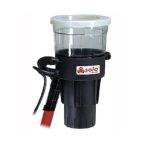
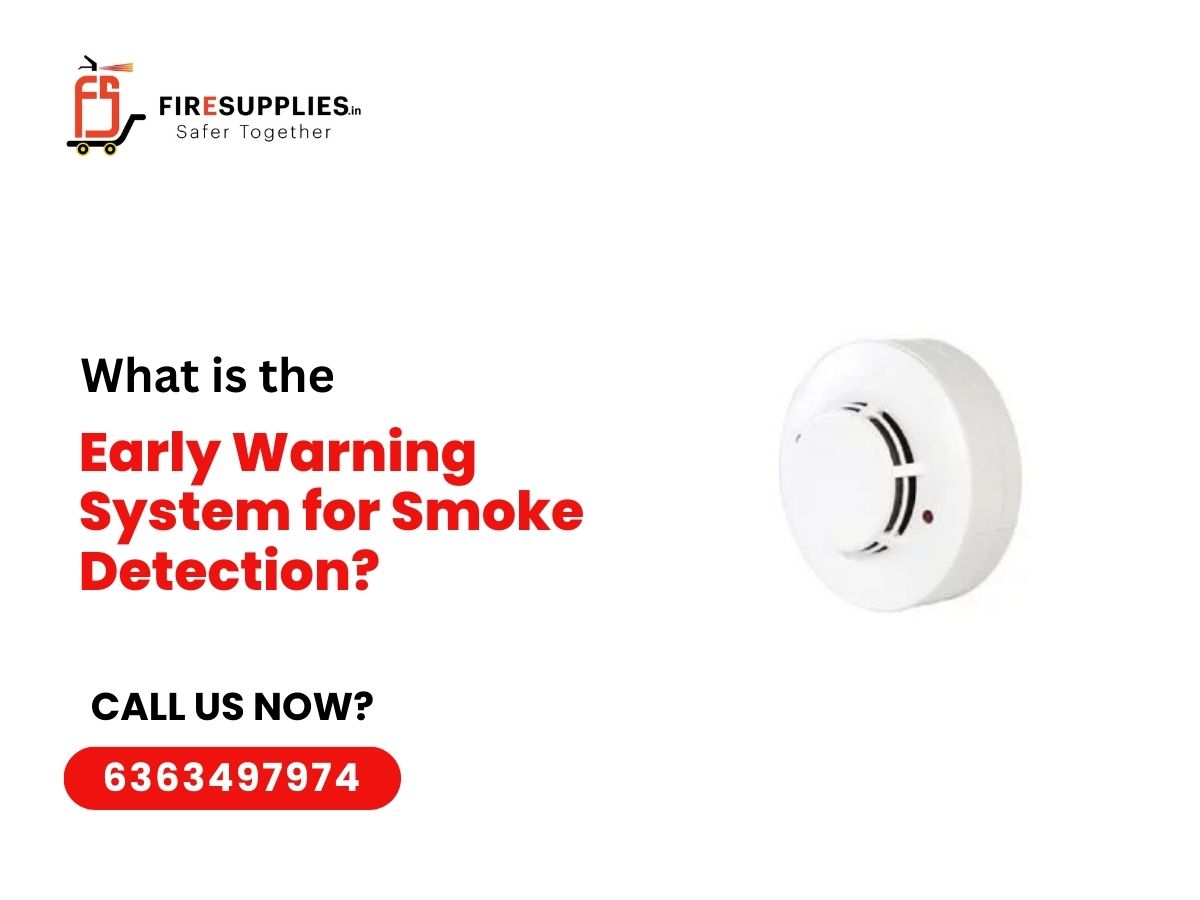
At Firesupplies, a trusted platform established by South Fire Systems Pvt. Ltd., we are committed to equipping professionals and safety-conscious individuals across India with top-tier fire safety solutions. This includes highly reliable early warning smoke detection systems, such as the Agni Hunt Standalone Smoke Detector—a must-have device in every modern fire protection plan.
Let’s explore what makes early warning systems essential, how they function, and what options are available for enhancing fire preparedness in homes and commercial buildings.
Understanding Early Warning Systems for Smoke Detection
An early warning system for smoke detection is a network of devices that continuously monitor the environment for smoke particles. When smoke is detected, these systems trigger an alarm—giving occupants critical time to evacuate or suppress the fire before it escalates.
Unlike traditional fire alarms that may activate too late, early warning systems are designed to detect fires in their earliest stages, often before flames are even visible.
Why Early Smoke Detection is Crucial
Time is everything during a fire emergency. The earlier a fire is detected, the better the chances of:
- Saving lives by giving occupants more time to escape
- Minimizing property damage
- Enabling quicker emergency response
- Preventing fire spread in large or high-occupancy buildings
According to the National Fire Protection Association (NFPA), the presence of working smoke alarms cuts the risk of dying in a home fire by half.
How Does an Early Warning Smoke Detection System Work?
Early warning systems rely on smoke detectors—either standalone or networked. These devices are usually installed in various parts of a building, particularly in:
- Living rooms
- Bedrooms
- Kitchens (heat or optical detectors recommended)
- Hallways
- Basements
Here’s how they work:
- Continuous Monitoring: Smoke detectors scan the air for smoke particles 24/7.
- Detection Mechanism: If smoke is detected (ionization or photoelectric sensing), the alarm is triggered.
- Alert Activation: Sirens, strobe lights, or alerts to control panels notify residents or building management.
- Automated Response (optional): In integrated systems, alerts can be sent to emergency services or trigger sprinklers.
Types of Early Warning Smoke Detectors
There are several types of smoke detectors used in early warning systems. Each serves a specific purpose:
1. Ionization Smoke Detectors
- Best for detecting fast-flaming fires
- Respond quickly to small smoke particles
- Slightly more prone to false alarms (e.g., from burnt toast)
2. Photoelectric Smoke Detectors
- Ideal for smoldering fires
- Use a light beam and sensor
- Less likely to trigger false alarms
3. Dual-Sensor Detectors
- Combine ionization and photoelectric sensors
- Offer comprehensive protection
- Highly recommended for residential and commercial use
4. Standalone Smoke Detectors
- Affordable and easy to install
- Battery-operated or hard-wired
- Great for homes and smaller spaces
- Example: Agni Hunt Standalone Smoke Detector
5. Interconnected Systems
- Ideal for large or multi-level buildings
- When one alarm is triggered, all others activate
- Wired or wireless interconnection
Key Features to Look for in Early Warning Systems
When choosing an early warning smoke detector, prioritize the following:
- Reliable Detection Technology (photoelectric or dual-sensor)
- Battery Backup in case of power failure
- Long Lifespan Sensors (10 years or more)
- Interconnectivity for multi-room alerts
- Compliance with BIS and IS standards
- Easy Maintenance with test/silence buttons
Agni Hunt Standalone Smoke Detector: Ideal for Indian Homes
If you’re looking for a budget-friendly, reliable, and BIS-compliant detector, the Agni Hunt Standalone Smoke Detector is an excellent choice.
Key Benefits:
- High sensitivity to visible smoke particles
- Loud alarm for fast occupant alert
- Easy ceiling or wall mounting
- No wiring required—perfect for home users
- Trusted brand in India’s fire safety market
This detector exemplifies our mission at Firesupplies—providing affordable, high-quality life safety gear with exceptional customer service.
Where Should You Install Smoke Detectors?
To maximize effectiveness, install smoke detectors in:
- Every bedroom
- Every hallway or corridor
- Living areas
- Near kitchens (place at a distance to avoid false alarms)
- Stairways and exits
- Basements and attics
For multi-level buildings, install at least one detector on each level. Avoid placing detectors near windows, vents, or fans where airflow could hinder smoke detection.
Maintenance of Early Warning Systems
An early warning system is only effective if it works when needed. Follow these steps to ensure continued reliability:
- Test alarms monthly
- Replace batteries annually (unless using sealed 10-year batteries)
- Clean detectors with a vacuum every 6 months
- Replace the detector after 8–10 years (check manufacturer instructions)
Who Needs Early Warning Smoke Detection?
Early warning systems are essential for:
- Homeowners concerned about family safety
- Business owners wanting to comply with fire safety norms
- Hospitals, schools, and hotels with high occupancy
- Real estate developers and builders
- Industrial and warehouse units
In India, adherence to NBC (National Building Code) fire safety regulations makes smoke detection mandatory in many buildings.
Frequently Asked Questions
1. What is the early warning system?
A: An early warning system is a device or network designed to detect potential threats—such as smoke from a fire—at the earliest possible stage and alert people to take necessary action. In the context of fire safety, it refers to smoke detectors and alarm systems that notify occupants before a fire becomes dangerous.
2. What functions as an early warning system notifying you that smoke is in the air?
A: Smoke detectors serve as the primary early warning systems. They detect smoke particles using ionization or photoelectric technology and sound an alarm when smoke is present, enabling occupants to evacuate or respond quickly.
3. How does an early warning system work?
A: An early warning system works by continuously scanning the air for smoke. When smoke particles are detected, the sensor activates an audible or visual alert. Some advanced systems can also notify emergency responders or trigger fire suppression systems.
Final Thoughts: Invest in Early Detection for Lifesaving Protection
Fires can erupt without warning—but that doesn’t mean you can’t be prepared. An early warning smoke detection system is the first and most crucial step toward effective fire safety.
Whether you’re a homeowner looking for peace of mind or a facility manager responsible for many lives, reliable smoke detection isn’t optional—it’s essential.
Ready to Take the First Step in Fire Safety?
Explore our curated range of certified smoke detectors, including the popular Agni Hunt Standalone Smoke Detector, only on Firesupplies—India’s first and most trusted online fire safety store.
- Competitive Prices
- Wide Selection
- Expert Support
- Nationwide Shipping
Protect lives. Protect property. Start with Firesupplies.

