
Your list is empty, add products to the list to send a request







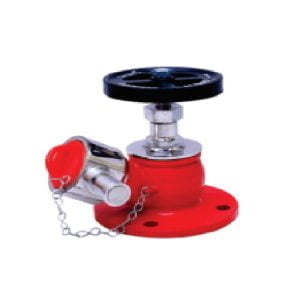


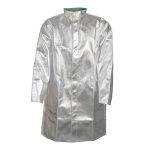

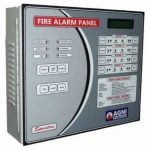
Essential Fire Safety Equipment for Home Protection

03
Feb
Fire incidents in homes often start small but can escalate within minutes if the right fire safety equipment is not in place. Modern homes contain electrical systems, cooking appliances, and combustible materials that increase fire risk. Investing in basic, reliable fire safety equipment helps protect lives, property, and peace of mind.
This guide explains essential fire safety equipment for home protection, how it works, where it should be installed, and how to choose the right options for your budget. The information is written for homeowners, tenants, and facility managers looking for practical and effective fire protection solutions.
What Is Fire Safety Equipment for Homes?
Fire safety equipment refers to tools and devices designed to detect, control, or suppress fires at an early stage and support safe evacuation. For homes, this includes detection devices like smoke alarms, suppression tools like fire extinguishers, and personal safety gear. These systems work together to reduce injury, property damage, and fire spread.
Technical Details of Fire Safety Equipment (Home Use)
| Equipment Type | Primary Function | Typical Location | Maintenance Requirement |
| Smoke Detector | Early fire detection | Bedrooms, hallways | Monthly testing |
| Fire Extinguisher | Fire suppression | Kitchen, exits | Annual inspection |
| Fire Blanket | Smother small fires | Kitchen | Visual check |
| Emergency Light | Evacuation support | Staircases | Battery test |
| Safety Gloves | Personal protection | Utility areas | Replace if damaged |
Why Fire Safety Equipment Is Essential for Home Protection
Home fires often occur due to unattended cooking, electrical faults, or heating equipment. Early detection and quick response significantly reduce fire damage.
Properly installed fire safety equipment ensures:
- Faster fire detection
- Immediate suppression of small fires
- Safer evacuation during smoke or power failure
- Reduced dependency on emergency response time
Even basic equipment can save lives when used correctly.
Smoke Detectors: The First Line of Defense
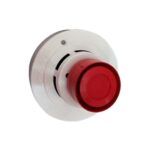
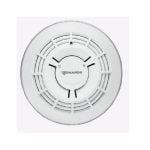
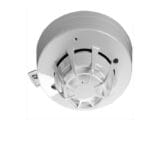
Smoke detectors provide early warning by sensing smoke particles in the air. This early alert gives occupants critical time to escape.
Best practices include:
- Install smoke detectors in every bedroom and hallway
- Use interconnected alarms if possible
- Replace batteries annually
- Replace the unit every 8–10 years
Smoke detectors are one of the most cost-effective fire safety investments.
Fire Extinguishers for Home Use
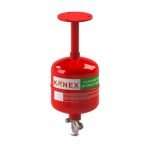
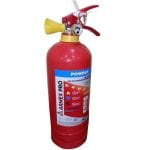
A portable fire extinguisher allows homeowners to control small fires before they grow. For residential use, multi-purpose dry powder or CO₂ extinguishers are commonly recommended.
Key placement areas include:
- Kitchen
- Near staircases
- Garage or utility room
Never attempt to fight large fires. Extinguishers are for early-stage fires only.
Fire Blankets: Simple and Effective
Fire blankets are designed to smother flames by cutting off the oxygen supply. They are particularly useful for kitchen fires and clothing fires.
Advantages of fire blankets:
- Easy to use
- No maintenance required
- No residue after use
- Safe for oil and grease fires
They are an excellent addition to other fire safety equipment.
Emergency Lighting for Safe Evacuation
During a fire, power failures are common. Emergency lights ensure visibility in staircases and corridors.
Emergency lighting:
- Automatically turns on during power loss
- Helps prevent panic
- Guides safe exit paths
- Supports elderly and children during evacuation
Battery testing should be performed regularly.
Personal Safety Gear for Home Fire Protection
Basic personal safety items such as fire-resistant gloves and masks help during small fire incidents or evacuation.
Recommended gear includes:
- Heat-resistant gloves
- Smoke masks
- Protective goggles
These items add an extra layer of safety when handling fire emergencies.
Applications of Fire Safety Equipment
Fire safety equipment is not limited to large buildings. Homes of all sizes benefit from proper protection.
Common applications:
- Apartments and independent houses
- Kitchens and cooking areas
- Garages and storage rooms
- Stairwells and exits
Each area requires different types of equipment based on fire risk.
Advantages of Installing Fire Safety Equipment at Home
- Protects lives and property
- Reduces fire damage costs
- Supports insurance compliance
- Enhances overall home safety
- Improves preparedness and confidence
Fire safety equipment is an investment, not an expense.
Limitations of Home Fire Safety Equipment
While essential, fire safety equipment has limitations:
- Requires regular maintenance
- Must be used correctly
- Cannot control large fires
- Needs proper placement for effectiveness
Training and awareness are equally important.
Short Buying Guide for Home Fire Safety Equipment
When selecting fire safety equipment, consider:
- Home size and layout
- High-risk areas such as kitchens
- BIS certification and quality standards
- Ease of use
- Budget constraints
Avoid cheap, non-certified products that compromise safety.
FAQs:
FAQ 1: What is the basic fire safety equipment for homes?
Basic fire safety equipment includes smoke detectors, fire extinguishers, fire blankets, emergency lights, and personal protective gear. These items help detect fires early, suppress small fires, and support safe evacuation.
FAQ 2: Is BIS certification important for fire safety equipment?
Yes, BIS certification ensures that fire safety equipment meets Indian safety and quality standards. Certified products provide better reliability, durability, and performance during emergencies.
FAQ 3: What budget is required for home fire safety equipment?
A basic home fire safety setup can be created at a modest budget. Costs vary depending on equipment type and quantity, but even affordable solutions offer significant protection.
Certifications for Fire Safety Equipment
Fire safety equipment should comply with:
- BIS (Bureau of Indian Standards)
- IS standards for extinguishers and alarms
- Manufacturer quality certifications
Certified equipment ensures consistent performance and legal compliance.
Call to Action
Fire safety equipment for homes includes smoke detectors, fire extinguishers, fire blankets, and emergency lights. These tools help detect fires early, control small flames, and guide safe evacuation, significantly reducing injury and property damage during fire emergencies.

