
Your list is empty, add products to the list to send a request









Fire Safety in Ethiopia: Why Every Business Needs Modern Fire Equipment

18
Mar
What is Fire Safety in Ethiopia and Why It Matters?
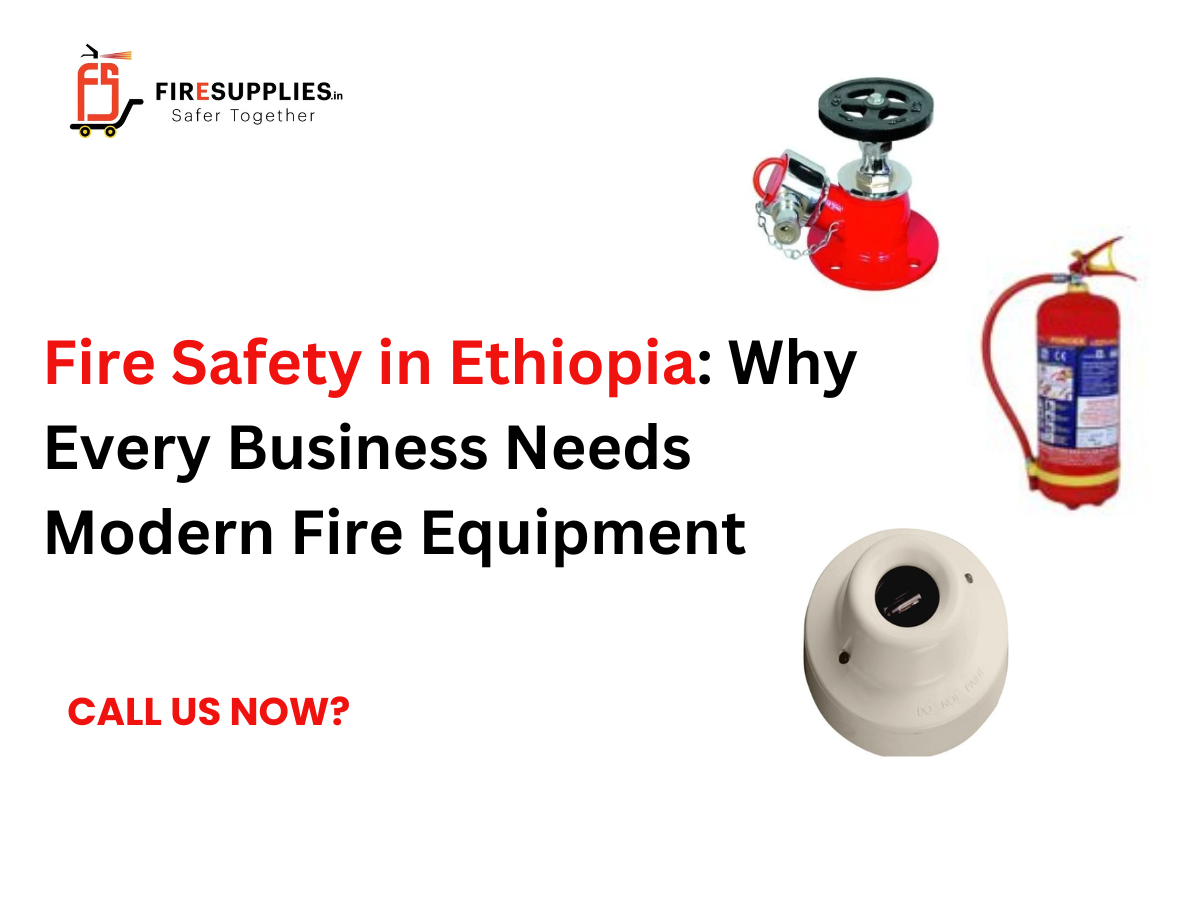
Fire Safety Equipment in Ethiopia: Why Every Business Needs Modern Fire Equipment refers to the implementation of advanced fire prevention, detection, and suppression systems to protect lives, property, and operations.
In Ethiopia’s rapidly growing commercial and industrial sectors, fire risks are increasing due to electrical faults, flammable materials, and inadequate safety practices. Modern fire equipment helps businesses minimize risks, comply with safety regulations, and ensure continuity.
Fire Safety in Ethiopia: Why Every Business Needs Modern Fire Equipment – Technical Overview
| Component | Description | Key Features |
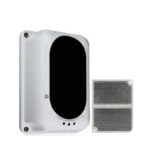
| Fire Alarm Systems | Detect smoke, heat, or flames and alert occupants | High sensitivity, multi-zone detection |
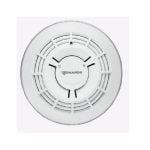
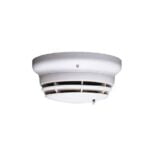
| Smoke Detectors | Identify early-stage fires through smoke particles | Optical & ionization sensors |
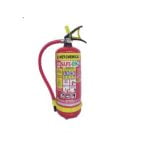
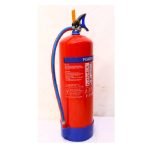
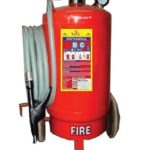
| Fire Extinguishers | Portable devices to control small fires | ABC, CO2, Foam, Water-based types |
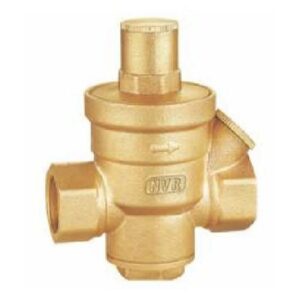
| Sprinkler Systems | Automatic water discharge to suppress fire | Heat-activated, multi-panel sync |
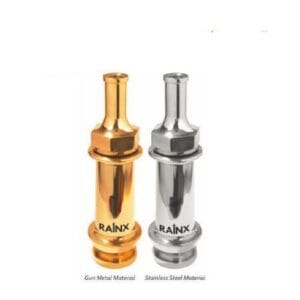
| Hydrant Systems | External/internal water supply for firefighting | Expandable loops, high-pressure output |
| Fire Suppression Systems | Advanced systems using gas or chemicals | Clean agent, minimal damage |
| Emergency Exit Systems | Safe evacuation support | Illuminated signage, backup power |
| Safety Gear | Protective equipment for personnel | Heat-resistant, durable materials |
Understanding Fire Risks in Ethiopian Businesses
Businesses in Ethiopia face several fire hazards due to:
- Rapid urbanization and infrastructure growth
- Poor electrical installations
- Limited awareness of fire safety protocols
- Storage of combustible materials
Industries such as manufacturing, hospitality, and warehousing are particularly vulnerable. Without proper fire protection systems in Ethiopia, even a minor spark can lead to major losses.
Types of Fire Safety Equipment in Ethiopia
1. Fire Extinguishers
Fire extinguishers are the first line of defense. Common types include:
https://www.firesupplies.in/product-category/fire-extinguishers/?srsltid=AfmBOoomSbYF2dbBEqpAxpNxM_LM3-5ZVn5bDFq6007dxk9tDUDUeniy
- ABC Fire Extinguisher: Suitable for solids, liquids, and electrical fires
- CO2 Fire Extinguisher: Ideal for electrical fires and sensitive equipment
- Foam and water-based extinguishers for specific applications
Businesses must choose the right extinguisher based on risk type.
Fire Alarm Systems in Ethiopia
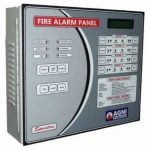
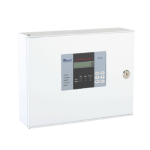
Fire alarm systems play a critical role in early detection. They include:
https://www.firesupplies.in/product-category/fire-alarm-system-accessories-2/
- Smoke detectors
- Heat detectors
- Manual call points
Advanced systems can integrate with building management systems for faster response.
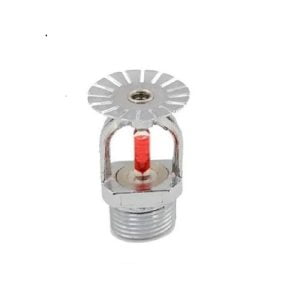
Fire Sprinkler System Ethiopia
Automatic sprinkler systems activate when heat reaches a threshold. They:
https://www.firesupplies.in/product-category/sprinkler-accessories/
- Control fire before it spreads
- Reduce property damage
- Improve safety compliance
Fire Hydrant System Ethiopia
Hydrant systems provide a continuous water supply for firefighting teams. These are essential for:
- Large commercial buildings
- Industrial plants
- Warehouses
Fire Suppression Systems
Used in high-risk environments like data centers, these systems:
- Use clean agents or gas
- Prevent damage to sensitive equipment
- Act quickly without water
Emergency Exit and Safety Gear
Every business should have:
https://www.firesupplies.in/product-category/emergency-exit-lights/
- Emergency exit lights
- Fire-resistant safety gear
- Evacuation plans
These tools ensure safe evacuation during emergencies.
Use Cases / Applications of Fire Safety Equipment
Modern fire safety tools are essential across industries:
Commercial Buildings
- Offices require fire alarm systems and emergency exit setups
- Retail stores need extinguishers and smoke detectors
Industrial Facilities
- Factories need hydrant systems and suppression systems
- Warehouses require sprinkler systems and fire safety tools
Hospitality Sector
- Hotels must install fire alarm systems and evacuation routes
- Kitchens need specialized extinguishers
Healthcare Facilities
- Hospitals require advanced fire protection systems
- Safety gear for emergency staff is critical
Advantages and Limitations of Modern Fire Equipment
Advantages
- Early Detection: Prevents major damage
- Quick Response: Automated systems reduce reaction time
- Compliance: Meets international safety standards
- Business Continuity: Reduces downtime
- Employee Safety: Protects lives
Limitations
- Initial installation cost can be high
- Requires regular maintenance
- Needs proper training for effective use
Despite limitations, the benefits far outweigh the risks.
Fire Protection Equipment Checklist for Businesses
Every business in Ethiopia should have:
- Fire extinguishers (ABC and CO2)
- Smoke and heat detectors
- Fire alarm system
- Sprinkler or hydrant system
- Emergency exit lights
- Fire safety signage
- Personal protective safety gear
Short Buying Guide for Fire Safety Equipment in Ethiopia
When choosing fire safety equipment:
1. Assess Risk
Identify fire hazards specific to your business.
2. Choose Certified Equipment
Ensure compliance with international standards.
3. Consider Scalability
Opt for systems that can expand with your business.
4. Prioritize Quality
Invest in reliable and durable products.
5. Plan Maintenance
Regular servicing is essential for performance.
Standards & Certifications for Fire Safety in Ethiopia
Businesses should follow global standards such as:
- NFPA (National Fire Protection Association) guidelines
- ISO safety standards
- Local Ethiopian fire safety regulations
Compliance ensures safety and avoids legal penalties.
Why Fire Safety in Ethiopia is Crucial for Business Growth
Implementing modern fire protection equipment in Ethiopia is not just about safety—it’s about sustainability. Businesses that invest in fire safety:
- Gain customer trust
- Avoid financial losses
- Meet insurance requirements
- Enhance operational efficiency
Fire safety is a strategic investment, not an expense.
Common Mistakes Businesses Make
Avoid these errors:
- Ignoring regular maintenance
- Using outdated equipment
- Lack of employee training
- Poor emergency planning
These mistakes can turn minor incidents into disasters.
FAQs: Fire Safety in Ethiopia
1. What is an Apollo fire detector used for?
An Apollo fire detector is used to detect smoke, heat, or fire at an early stage. It helps trigger alarms quickly, allowing occupants to evacuate and preventing fire from spreading.
How do I choose the right Apollo fire detector for my building?
To choose the right detector:
- Identify the type of environment (office, industrial, etc.)
- Select between smoke, heat, or multi-sensor detectors
- Ensure compatibility with your fire alarm system
- Choose certified and reliable models
Consulting a fire safety expert is recommended.
How often should Apollo fire alarm systems be tested or maintained?
Fire alarm systems should be:
- Tested monthly for functionality
- Inspected quarterly by professionals
- Fully serviced annually
Regular maintenance ensures reliability during emergencies.
Conclusion: Protect Your Business with Modern Fire Equipment
Fire Safety in Ethiopia: Why Every Business Needs Modern Fire Equipment is more relevant than ever. As industries grow, so do risks. Investing in advanced fire protection systems is essential for safeguarding lives, assets, and operations. Businesses must take proactive steps by installing modern firefighting equipment, training staff, and ensuring regular maintenance. Don’t wait for a fire incident to act. Protect your business today with high-quality fire safety solutions from Fire Supplies.

