
Your list is empty, add products to the list to send a request









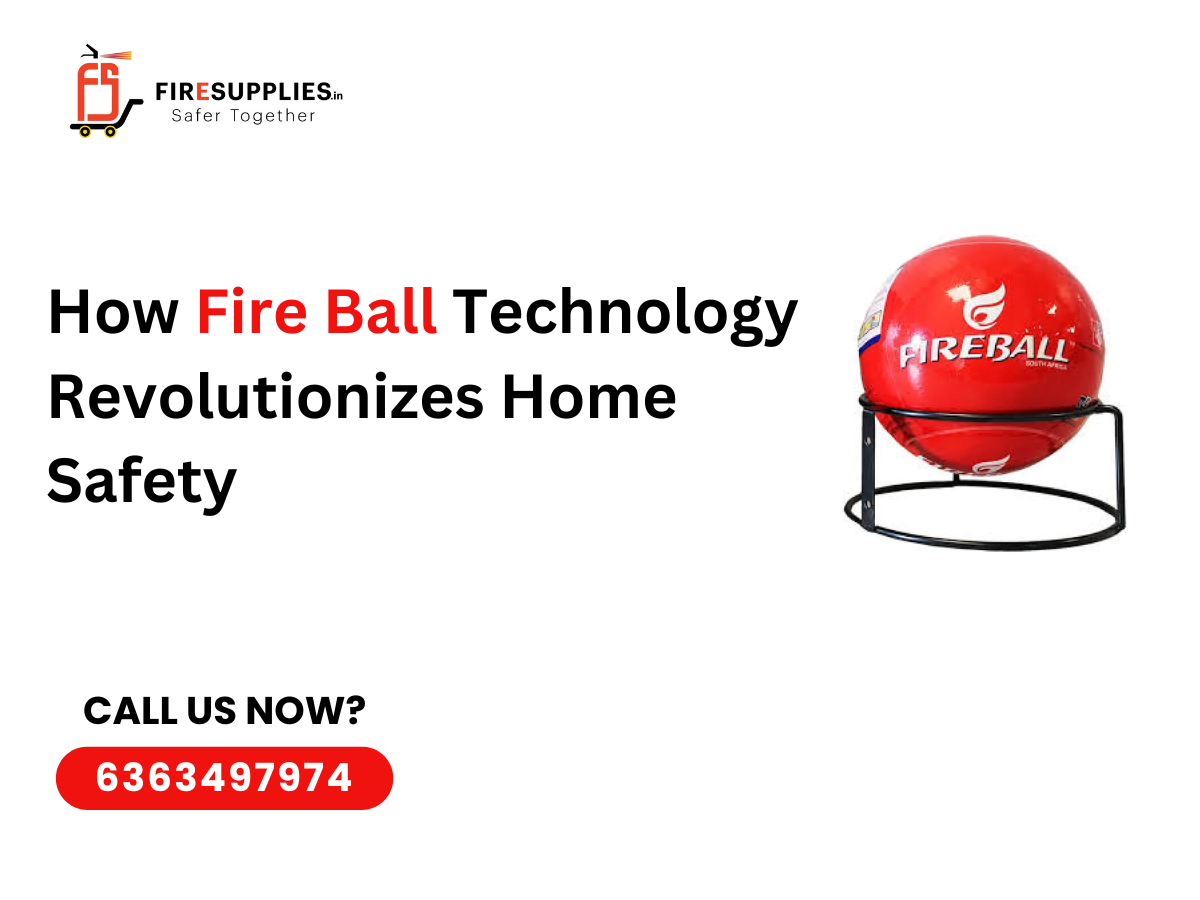
How Fire Ball Technology Revolutionizes Home Safety

07
Feb
Home fire incidents often occur without warning and spread faster than most people expect. Modern households need safety solutions that are easy to use, reliable, and effective even when no one is present. Fire ball technology has emerged as a breakthrough in home fire protection, offering automatic fire suppression with minimal human involvement.
This guide explains how fire ball devices work, where they are most effective, and why they are becoming a preferred choice for modern home safety.
What Is Fire Ball Technology?
Fire ball technology refers to an automatic fire suppression system designed in the shape of a lightweight ball that activates when it comes into contact with flames. Once triggered, the fire ball releases a fire-extinguishing powder that suppresses the fire at its source, reducing heat, flames, and smoke within seconds.
This technology is especially valuable for homes because it works without manual operation, electricity, or complex installation.
Technical Details of Fire Ball Devices
| Feature | Description |
| Activation Method | Triggered by direct flame contact |
| Extinguishing Agent | Dry chemical fire suppression powder |
| Coverage Area | Typically covers a small enclosed space |
| Activation Time | Automatically activates within seconds |
| Installation | Wall-mounted or free placement |
| Maintenance | No refilling or servicing required |
| Shelf Life | Several years under normal storage |
Fire ball devices are designed to remain passive until needed, ensuring readiness even during unattended fire incidents.
How Fire Ball Technology Enhances Home Safety
Automatic Fire Response Without Human Action
Traditional fire extinguishers require someone to be present and trained. A fire ball activates automatically when flames appear, making it ideal for kitchens, electrical panels, and storage areas.
This autonomous operation significantly reduces response time during the early stages of a fire.
Fire Ball vs Traditional Fire Extinguishers
Key Differences in Fire Protection
A standard extinguisher depends on user confidence and availability. A fire ball works independently, reducing panic-related errors and ensuring faster fire suppression.
Ease of Use Advantage
- No pulling pins
- No aiming or squeezing
- No training required
This simplicity makes fire ball devices suitable for elderly users, children-safe households, and rental properties.
Applications of Fire Ball Technology
Residential Kitchens
Cooking fires are one of the most common home fire causes. Placing a fire ball near the cooking area ensures immediate response if flames erupt.
Electrical Distribution Boards
Electrical fires often occur when no one is nearby. Installing a fire ball near fuse boxes helps prevent fire escalation.
Bedrooms and Living Areas
While smoke alarms alert occupants, a fire ball actively suppresses flames, adding a critical layer of protection.
Garages and Storage Rooms
Flammable materials stored in garages make them high-risk zones. Fire ball devices provide round-the-clock safety.
Advantages of Fire Ball Technology
Key Benefits for Homeowners
- Automatic fire suppression
- No maintenance required
- Lightweight and compact design
- No toxic gas release
- Long shelf life
- Works without power supply
A fire ball complements existing safety equipment without replacing traditional alarms.
Limitations of Fire Ball Devices
Understanding Practical Constraints
While effective, fire ball devices are designed for small fires. They are not substitutes for professional firefighting equipment in large fire incidents.
Proper placement is essential to ensure timely activation.
Choosing the Right Fire Ball for Home Safety
What to Consider Before Buying
- Room size and layout
- Fire risk level of the area
- Installation location
- Shelf life duration
- Brand reliability
Fire Ball Installation Best Practices
Recommended Placement Areas
- Near stoves or gas connections
- Above electrical panels
- Close to fuel or chemical storage
- In unattended rooms
Mounting height and clear flame access improve performance.
Fire Ball Technology and Insurance Safety
Many insurance providers encourage proactive fire safety measures. Using fire ball devices alongside smoke alarms demonstrates responsible risk management.
While not a replacement for certified extinguishers, they enhance early fire response.
Frequently Asked Questions
FAQ 1: What triggers a fire ball extinguisher?
A fire ball is triggered when its surface comes into direct contact with flames. The heat activates the internal mechanism, releasing the fire-extinguishing powder automatically.
FAQ 2: What is the coverage area of a single fire ball?
A single fire ball is designed to cover a small enclosed area such as a kitchen, electrical panel, or storage room. Coverage depends on room size and fire intensity.
FAQ 3: What is the shelf life of fire ball devices?
Most fire ball devices have a shelf life of several years when stored properly. They do not require refilling or maintenance during this period.
Certifications for Fire Ball Devices
Fire ball products are typically tested for:
- Fire suppression effectiveness
- Safe chemical discharge
- Structural integrity
- Storage stability
Always choose certified products from reliable suppliers to ensure dependable performance.
Why Fire Ball Technology Is the Future of Home Fire Safety
Modern homes demand safety solutions that work even when residents are not present. Fire ball technology fills this gap by offering instant fire response, easy installation, and long-term reliability.
When combined with alarms and extinguishers, fire balls create a layered safety approach that significantly reduces fire damage risks.
Call to Action
A fire ball is an automatic fire suppression device that activates when exposed to flames. It releases a fire-extinguishing powder within seconds, helping control small fires without manual operation, electricity, or maintenance, making it ideal for home safety.

