
Your list is empty, add products to the list to send a request










How to Test a Conventional Fire Alarm System

26
Aug
A fire alarm is only effective if it works when you need it most. That’s why regular testing is a non-negotiable part of fire safety. But many people wonder: how do you properly test a conventional fire alarm system?
Testing ensures your alarms, detectors, and control panels are all functioning correctly. If a fault goes unnoticed, lives and property may be at risk during an emergency. In this guide, you’ll learn exactly how to test a conventional fire alarm system, why testing matters, and the steps to follow for reliable results.
Why You Need to Test a Conventional Fire Alarm System
The purpose of a fire alarm is to detect danger early and trigger alerts that allow people to evacuate safely. However, like any electronic system, fire alarms can fail due to:
- Battery issues.
- Wiring faults.
- Detector contamination (dust, paint, insects).
- Human error such as disabled sounders or muted alarms.
Regular testing helps you:
- Verify that detectors are responsive.
- Confirm the panel is communicating with zones.
- Ensure sounders and strobes are active.
- Identify faults before they become critical.
Without testing, you risk depending on a system that may not respond during an emergency.
Step-by-Step: How to Test a Conventional Fire Alarm System
Testing a conventional fire alarm is a straightforward process if you follow the right steps. Here’s a step-by-step guide:
Step 1: Notify Occupants
Before testing, inform building occupants that an alarm test will take place. This prevents unnecessary panic or evacuation.
Step 2: Disable Connected Systems
If the alarm is linked to external systems (sprinklers, lifts, or emergency services), temporarily disable them to avoid accidental activation.
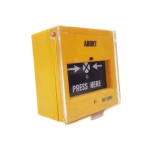
Step 3: Activate a Manual Call Point
Use a manual call point (break glass unit) to simulate an alarm. This checks the wiring and zone connections.
Step 4: Check Zone Indication
The control panel should clearly indicate which zone has been triggered.
Step 5: Verify Sounders and Strobes
Walk around the building to confirm that all alarms and flashing strobes are working.
Step 6: Reset the System
After the test, use the reset button on the control panel to restore the system to standby mode.
Step 7: Record the Test
Document the test in a fire safety logbook. Include the date, zones tested, and any issues found.
Weekly, Monthly, and Annual Testing
Testing frequency is just as important as the process itself.
- Weekly: Trigger at least one manual call point per week. Rotate zones so each is tested regularly.
- Monthly: Inspect batteries, detectors, and visual indicators.
- Quarterly: Test additional functions, such as relay connections and sounder circuits.
- Annually: A full system service by a certified fire safety professional.
This routine ensures your conventional fire alarm system remains compliant and reliable.
Key Components Involved When You Test a Conventional Fire Alarm System
To understand the testing process, it helps to know the key components:
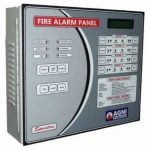
- Control Panel – The “brain” that monitors zones and raises alarms.
- Detectors – Smoke or heat detectors that sense fire.
- Manual Call Points – Allow manual activation in case of fire.
- Sounders and Strobes – Provide audible and visual alerts.
- Power Supply – Includes main supply and battery backup.
Testing ensures that each of these components is in sync and performing as intended.
Common Problems Found When Testing
When you test a conventional fire alarm system, some typical issues might surface:
- Dead batteries in the backup power supply.
- Dirty detectors causing false alarms or non-responsiveness.
- Wiring faults leading to non-communicating zones.
- Muted sounders not producing enough volume.
- Faulty relays failing to trigger external systems.
Spotting these issues during a controlled test prevents disaster in real emergencies.
Testing Different Fire Detectors
Different detectors require specific test methods:
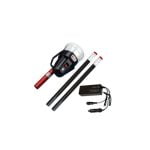
- Smoke Detectors – Use artificial smoke sprays to check response.
- Heat Detectors – Apply controlled heat sources (test equipment only).
- Multi-Sensor Detectors – Ensure they respond correctly to both smoke and heat.
Always avoid using real flames or uncontrolled heat sources.
How Sounders Are Tested
Sounders are vital because even if a panel detects fire, people won’t evacuate without hearing it.
When testing:
- Confirm all sounders activate simultaneously.
- Measure decibel levels to ensure they meet safety standards.
- Check strobes in noisy areas where alarms may not be heard.
How Relays Work During Testing
Conventional fire alarm systems often use relays to trigger external equipment.
When testing:
- Confirm HVAC shutdown relays activate.
- Ensure lifts respond correctly (moving to ground floor and disabling).
- Test sprinkler system connections.
This integration enhances safety beyond alarms alone.
Frequently Asked Questions
1. How does a conventional fire alarm work?
A conventional fire alarm divides a building into zones. When a detector or manual call point is activated, the control panel identifies the affected zone and triggers alarms across the building.
2. What is a conventional detector?
A conventional detector is a device that senses smoke or heat and sends a signal to the control panel. It does not identify itself individually but communicates through its zone circuit.
3. How can I test my alarm system?
To test your alarm system:
- Inform occupants before testing.
- Use a manual call point or test smoke/heat detectors with proper tools.
- Confirm panel indication, alarms, and relays work.
- Reset the system after testing.
- Record results in your fire logbook.
Final Thoughts
Knowing how to test a conventional fire alarm system is essential for any building manager, business owner, or safety officer. Routine testing ensures that alarms, detectors, and relays will work correctly when needed most.
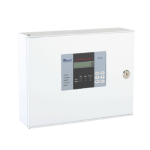
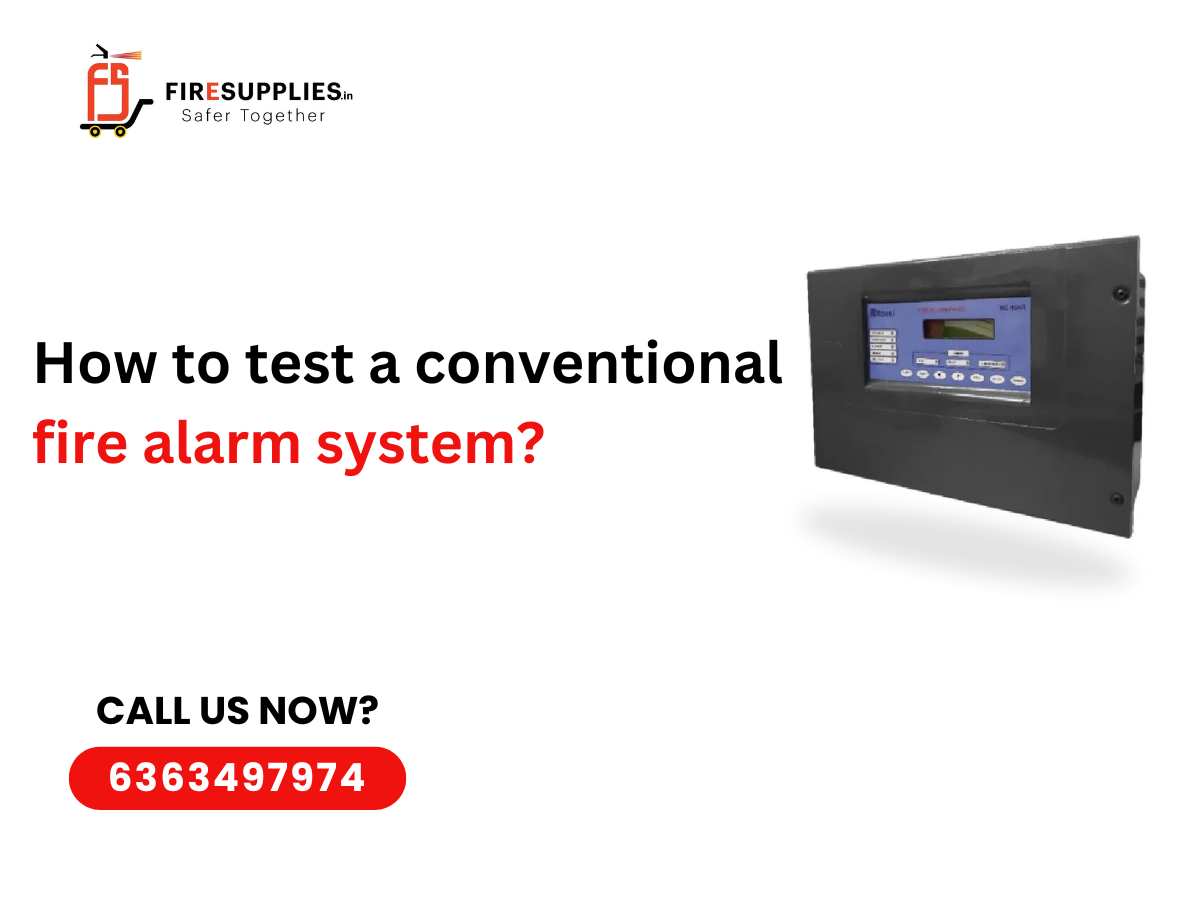
If you are looking for a reliable solution, consider the Ravel RE-104R 4 Zone Conventional Fire Alarm Control Panel. This panel is trusted, user-friendly, and ideal for small to medium-sized buildings.
Ensure your fire safety system is tested, maintained, and ready to protect. Get the right fire alarm panel today.

