
Your list is empty, add products to the list to send a request











How to Wire a Fire Alarm System: A Step-by-Step Guide

25
Jul
Learning how to wire a fire alarm system starts with understanding how the control panel, detectors, and alarm devices connect to form one reliable safety network. A properly wired fire alarm system detects smoke or heat early and triggers an alarm fast enough to save lives and property. In this guide, we break down the entire fire alarm wiring guide into simple, actionable steps from choosing the right fire alarm cable to testing the finished setup so you understand exactly what a professional installer does and why it matters.
Whether you manage a commercial building, run a factory, or work as a fire safety equipment supplier, this guide will help you understand the process clearly, without unnecessary technical jargon.
What Is Fire Alarm System Wiring?
Fire alarm system wiring is the process of electrically connecting the fire alarm control panel to detectors, manual call points, notification devices, and other system components. It creates a continuous communication path so the panel can monitor every device, detect a fire signal, and activate alarms instantly.
Correct wiring is the backbone of any fire alarm system. Even the most advanced fire protection equipment will fail to perform if the wiring is loose, incompatible, or incorrectly terminated. This is why fire alarm installation is best handled by trained professionals who follow recognized wiring standards.
Key Components You Need Before Wiring a Fire Alarm System
Before starting fire alarm system wiring, you need to gather the right fire safety products and tools. A complete system typically includes:
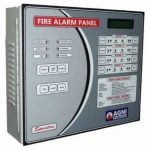
- Fire Alarm Control Panel (FACP) – the “brain” of the system
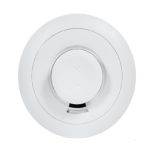
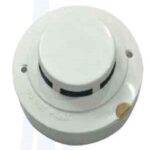
- Smoke Detectors – sense smoke particles in the air
- Heat Detectors – trigger when temperature rises abnormally
- Manual Call Points (MCPs) – allow people to raise an alarm manually
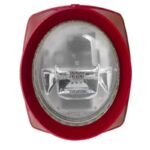
- Hooters and Strobes – audible and visual alarm devices
- Input/Output Modules – interface between the panel and other building systems
- Relay Modules – control external devices like door locks or HVAC shutdown
- Fire Alarm Cables – fire-resistant wiring connecting all devices
- Power Supply and Backup Batteries – keep the system running during outages
Sourcing these from a certified fire safety equipment supplier ensures every component is compatible and code-compliant.
Fire Alarm System Wiring: Technical Details
Here is a quick technical overview of what a well-wired fire alarm system should support.
| Technical Parameter | Recommended Specification |
| Communication Type | High-bandwidth digital communication loop |
| Panel Configuration | Supports multi-panel synchronization for large buildings |
| Loop Design | Expandable loops for future device additions |
| Cable Type | Fire-resistant, low-smoke, fire alarm-rated cable |
| Wiring Topology | Zone wiring (conventional) or loop wiring (addressable) |
| Power Backup | Battery backup for minimum 24–72 hours standby |
| Device Addressing | Unique address per device (addressable systems only) |
| Cable Run Limit | As specified by manufacturer and local electrical code |
These specifications ensure the system remains reliable even during extended power outages or building expansions.
How to Wire a Fire Alarm System: Step-by-Step Process
Here is the core process professionals follow when wiring a fire alarm system.
Step 1: Plan the Layout
Start by reviewing the building’s fire safety plan. Identify where each detector, call point, and alarm device needs to be installed based on room size, occupancy, and fire risk zones.
Step 2: Choose the Right Fire Alarm Cable
Select fire-resistant cable rated for fire alarm circuits. The cable must meet local electrical codes and the fire alarm control panel manufacturer’s specifications.
Step 3: Install the Fire Alarm Control Panel
Mount the FACP in an accessible, protected location, usually near the main entrance or security desk. This panel will receive signals from every connected device.
Step 4: Run Cabling to Each Device
Route fire alarm cables from the panel to each smoke detector, heat detector, manual call point, and notification device. Keep cable runs within the manufacturer’s maximum distance limits.
Step 5: Terminate Connections Carefully
Strip and connect wires at each device terminal following the wiring diagram exactly. Loose or reversed connections are one of the most common causes of system faults.
Step 6: Connect Power Supply and Backup Batteries
Wire the main power supply and backup batteries to ensure the system continues operating even during a power failure.
Step 7: Configure Zones or Addresses
For conventional systems, assign each detector to a specific zone. For addressable fire alarm wiring, assign a unique address to every device so the panel can identify it individually.
Step 8: Test Every Device
Activate each detector, call point, hooter, and strobe to confirm the panel registers the correct signal. Verify battery backup and fault monitoring before final handover.
Conventional vs Addressable Fire Alarm Wiring
Understanding the difference between these two wiring methods helps you choose the right fire alarm system for your building.
Conventional fire alarm wiring connects detectors in groups called zones. When a device activates, the panel identifies the zone but not the exact device. This wiring style works well for smaller buildings with simple layouts.
Addressable fire alarm wiring connects devices on a communication loop, with each device carrying a unique address. This allows the panel to pinpoint the exact device that triggered the alarm, making fault-finding and system expansion much easier. Addressable wiring is generally preferred for large commercial or industrial buildings.
Common Use Cases and Applications
A correctly wired fire alarm system is essential across many types of properties, including:
- Office buildings and commercial complexes
- Manufacturing plants and warehouses
- Hospitals and healthcare facilities
- Educational institutions
- Residential apartment complexes
- Hotels and hospitality venues
- Data centers and server rooms
In every case, the wiring must match the building’s size, layout, and fire risk profile. Larger facilities often combine multiple fire fighting products such as sprinkler interlocks and gas suppression systems with the fire alarm wiring for complete protection.
Advantages and Limitations of Proper Fire Alarm Wiring
Advantages:
- Faster fire detection and alarm activation
- Easier maintenance and fault identification
- Better integration with other fire protection equipment
- Improved compliance with fire safety regulations
- Reduced false alarms when wiring is done correctly
Limitations:
- Requires skilled technicians for installation
- Addressable systems have higher upfront wiring costs
- Poor cable selection can compromise system integrity during a fire
- Wiring errors can cause delayed or missed alarms
Weighing these factors helps building owners decide between conventional and addressable systems based on budget and building complexity.
Buying Guide: Choosing the Right Fire Alarm Components
When sourcing components for fire alarm system wiring, keep these points in mind:
- Buy from a certified fire safety equipment supplier to ensure genuine, tested products
- Check that cables and panels carry recognized certification marks
- Match detector sensitivity to the environment (e.g., heat detectors for kitchens, smoke detectors for offices)
- Confirm the panel supports future expansion if your building may grow
- Ask for compatibility documentation between the panel, detectors, and modules
Choosing reliable fire alarm system components upfront reduces long-term maintenance costs and improves system reliability.
Common Fire Alarm Wiring Mistakes to Avoid
Even experienced teams can make errors during installation. Watch out for:
- Incorrect cable selection for the environment
- Loose or poorly terminated wire connections
- Incorrect device addressing on addressable loops
- Exceeding maximum cable length limits
- Improper detector placement away from fire-prone zones
- Skipping the final system test before handover
Avoiding these mistakes helps ensure the system performs reliably when it matters most.
Fire Alarm Wiring Standards & Certifications
Fire alarm wiring must comply with recognized national and international standards. Some of the most referenced include:
- NFPA 72 – the National Fire Alarm and Signaling Code, widely referenced globally for design and installation practices (NFPA)
- UL Certification – confirms devices and cables meet safety and performance benchmarks (UL)
- Bureau of Indian Standards (BIS) – governs fire alarm equipment standards for installations in India (BIS)
Always confirm local building codes and fire department requirements in addition to these standards before finalizing your installation.
FAQs About Fire Alarm System Wiring
- What is fire alarm system wiring?
Fire alarm system wiring is the process of connecting the fire alarm control panel to detectors, manual call points, notification devices, and other system components. Proper wiring ensures reliable communication, accurate fire detection, and prompt alarm activation during an emergency. - What components are connected in a fire alarm system?
A fire alarm system consists of several interconnected devices that work together to detect and report fire. Common components include the Fire Alarm Control Panel (FACP), smoke detectors, heat detectors, manual call points (MCPs), hooters and strobes, input/output modules, relay modules, fire alarm cables, power supply, and backup batteries. - What is the difference between wiring a conventional and an addressable fire alarm system?
Conventional fire alarm systems are wired in zones, while addressable systems use communication loops that identify each individual device. Addressable systems simplify fault finding and expansion, whereas conventional systems are often used in smaller buildings. - Which cable should be used for fire alarm system wiring?
Fire alarm systems should be wired using fire-resistant cables that meet the manufacturer’s specifications and applicable local fire and electrical codes. Using the correct cable type helps maintain system integrity during a fire. - Can I install or wire a fire alarm system myself?
Fire alarm system installation and wiring should be carried out by qualified professionals familiar with fire protection standards and electrical safety requirements. Proper installation helps ensure reliable operation, code compliance, and successful system testing. - How are smoke detectors connected to a fire alarm panel?
Smoke detectors are connected to the fire alarm control panel according to the system design and manufacturer’s wiring instructions. Depending on the system, detectors may be connected in zones (conventional) or on an addressable loop (addressable systems). - How is a fire alarm system tested after wiring?
After installation, the system should be inspected and tested to verify correct operation. Typical tests include detector activation, manual call point testing, hooter and strobe operation, panel fault monitoring, battery backup verification, and communication and device addressing checks. - What are the most common fire alarm wiring mistakes?
Common installation mistakes can affect the reliability of the fire alarm system. Examples include incorrect cable selection, loose or poorly terminated connections, incorrect device addressing, exceeding cable length limits, improper detector placement, and failure to test the completed system. - Which standards should be followed when wiring a fire alarm system?
Fire alarm wiring should comply with the applicable national and local fire safety, electrical, and building regulations, as well as the manufacturer’s installation guidelines. Following recognized standards helps ensure safety, reliability, and regulatory compliance. - Where can I buy fire alarm system components in India?
Fire alarm control panels, smoke detectors, heat detectors, manual call points, fire alarm cables, hooters, strobes, and related accessories are available from authorized fire safety equipment suppliers. Purchasing compatible, certified components helps ensure dependable system performance and easier maintenance.
Conclusion
Wiring a fire alarm system correctly is one of the most important steps in building a reliable fire protection setup. From selecting the right fire alarm cable to testing every detector and alarm device, each step plays a role in ensuring the system performs when it’s needed most. Whether you’re upgrading old fire safety products or installing a new addressable system, working with certified professionals and quality components makes all the difference.
Get Expert Help With Your Fire Alarm System Wiring
Don’t leave fire safety to guesswork. Talk to our team of certified fire protection specialists for a consultation on fire alarm system wiring, product selection, and installation support. Contact us today to get genuine fire safety products, fast delivery, and expert guidance tailored to your building’s needs.

