
Your list is empty, add products to the list to send a request










- The minimum required quantity for Honeywell PU Coated Cut Level 5 Gloves - Hand Protection (MOQ-6 Pairs) (FSIN00001975) is 6.
Close
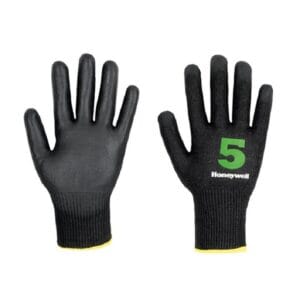
Honeywell PU Coated Cut Level 5 Gloves – Hand Protection (MOQ-6 Pairs)
For high risk dry environments. Suitable for handling sharp and coarse materials. Excel in automotive, construction, maintenance and metal industries. Price is per pair of gloves.
Close
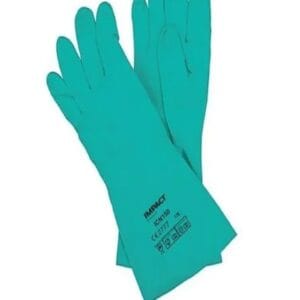
Honeywell Nitrile Indus Glove, 15 MIL, 33CM, Flock, Green – All Size – Hand Protection (MOQ-10 Pairs)
Good Grip. Curved Shape provides Natural Fit. Available in multiple sizes.
Close
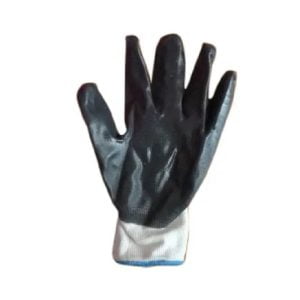
Indu Nitrile Safety Hand Gloves(Pack of 10)
Indu Nitrile Safety Hand Gloves deals in safety and welding Equipment like welding Cables Que Manager, Safety Belts, Safety Shoes, Safety Helmets, Air/Spray hoses, welding hoses, Safety Gloves, Car Lock, Road Safety, Baton Light and related Safety equipment, etc. Prices are negotiable as per market trends and as per quantity required.
Close
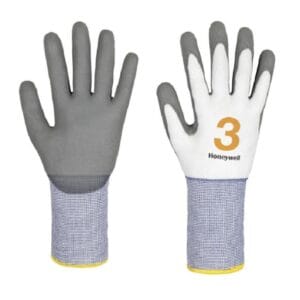
Honeywell PU Coated Cut Level 3 Gloves – Hand Protection (MOQ-12 Pairs)
Handling gloves for medium risk industries. Impressive abrasion and tear resistance protects the hands. Long knitwrist ensures further wrist protection. Price is per pair of gloves.
Close
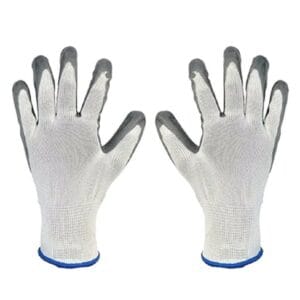
Honeywell PU Coacted Cut Level 1 Gloves – GG, BB – Hand Protection (MOQ-24 Pairs)
Cut Level 1 Protection. Polyurethane Coating. Comfortable Fit. Breathable Material. Enhanced Dexterity. Durability. Lightweight Design. Flexible and Stretchable.
Close
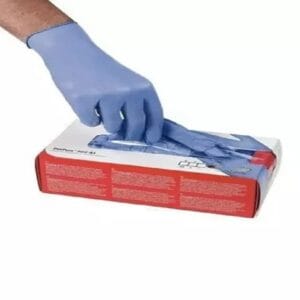
Honeywell Economical Dexpure-200 EA Box – Hand Protection
EN374 compliance, ensuring better basic-chemical resistance. Superior durability. 07 mm thick, ensuring dexterity for precision work. Roughened fingertips for improved grip. Free from Powder. Food contact certificate. Packed in dispenser box : easy to use, newly designed. Affordable Honeywell DexPure 803-81 Nitrile Gloves price at Big Value Shop.
Close
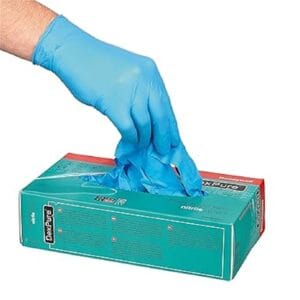
Honeywell DEXPURE Powder Free Nitrile Disposable Gloves – Hand Protection Pack of 100 Gloves
Single use disposable gloves. Certified for food grade. Useful for food preparation of greasy products. Latex free. Powder free.
Hand Protection FAQs
1. Why is hand protection important in the workplace?
Hand protection helps reduce the risk of cuts, burns, chemical exposure, electrical shock, and abrasions while performing hazardous tasks. Choosing the right safety gloves improves worker safety, enhances grip, and supports compliance with workplace health and safety requirements across various industries.
2. How do I choose the right safety gloves for my job?
The best safety gloves depend on the hazards present in your work environment. Consider factors such as cut resistance, chemical compatibility, heat protection, electrical insulation, grip, dexterity, and comfort before selecting hand protection for a specific application.
3. What types of hand protection gloves are available?
Hand protection gloves are available in several types to suit different workplace hazards.
- Cut-resistant gloves
- Nitrile-coated gloves
- Chemical-resistant gloves
- Electrical insulating gloves
- Leather work gloves
- Heat-resistant Kevlar gloves
- Aluminized gloves
4. When should cut-resistant gloves be used?
Cut-resistant gloves should be used when handling sharp tools, sheet metal, glass, or other materials that could cause hand injuries. They are commonly used in manufacturing, automotive, construction, metal fabrication, and warehouse operations.
5. Are nitrile gloves suitable for chemical handling?
Yes, nitrile gloves provide excellent resistance to many oils, greases, solvents, and chemicals. They are widely used in manufacturing, laboratories, maintenance, chemical processing, and industrial cleaning where reliable hand protection is required.
6. Why are electrical insulating gloves important?
Electrical insulating gloves help protect workers from electric shock when working on or near energized electrical systems. These gloves should always be selected according to the required voltage rating and inspected regularly for signs of wear or damage before use.
7. What are Kevlar and aluminized gloves used for?
Kevlar and aluminized gloves are designed for high-temperature applications where workers need protection from radiant heat, sparks, and hot surfaces. They are commonly used in foundries, welding operations, glass manufacturing, and metal processing industries.
8. How often should safety gloves be replaced?
Safety gloves should be replaced whenever they show signs of wear, cuts, punctures, chemical damage, or reduced protective performance. Regular inspections before each use help ensure workers remain adequately protected during hazardous tasks.
9. Which industries require hand protection safety gloves?
Hand protection gloves are essential across many industries where employees face mechanical, thermal, chemical, or electrical hazards.
- Manufacturing
- Construction
- Warehousing
- Oil and Gas
- Electrical Maintenance
- Chemical Processing
- Automotive
- Metal Fabrication
- Logistics
10. Where can I buy industrial hand protection gloves in India?
Industrial hand protection gloves are available from authorized safety equipment suppliers offering certified products for different workplace hazards. Selecting the appropriate gloves for your application helps improve worker safety, increase productivity, and support compliance with occupational safety standards.

