
Your list is empty, add products to the list to send a request















Close
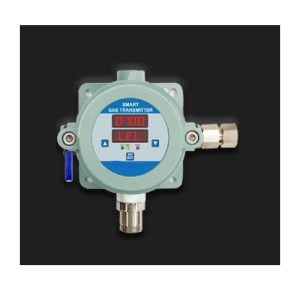
Detect Fire Gas Detector Lpg
Detect Fire Gas Detector Lpg If it detects a gas leak, the red LED will light up, the buzzer will activate, then the system will send a notification message stating that there has been an LPG gas leak. If no LPG gas leak is detected, the system will continue to detect the gas level through the LPG gas sensor until it detects an LPG gas leak
Close
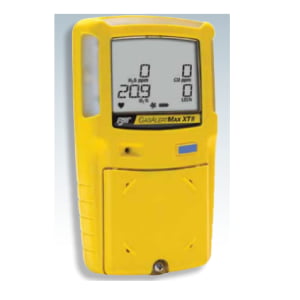
BW Max XT II Multi Gas Detector
BW Max XT II Multi Gas Detector is the smart, simple, economical way to compliance. Workers feel safe and incidents are minimized so everyone will be able to do more. That means savings realized from business continuity and productivity.
Close
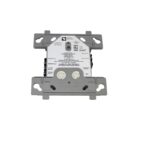
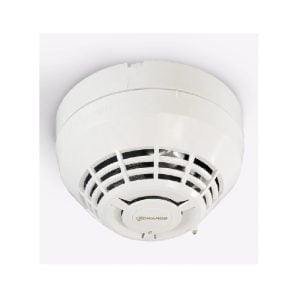
Edward SIGA-COD+SIGA-SB Addressable Carbon Monoxide Detector With Mounting Base
Edward SIGA-COD + SIGA-SB Addressable Carbon Monoxide Detector With Mounting Base detector brings advanced sensing technology to a practical design that increases efficiency, saves installation time, cuts costs, and extends life safety capabilities. Continuous self-diagnostics ensures reliability over the long-haul, while advanced electrochemical CO sensing technology provides performance benefits that keep occupants safe from carbon monoxide, the silent killer.
Gas Detector FAQs
What is a gas detector and how does it work?
A gas detector is a safety device that detects the presence and concentration of harmful or combustible gases in the air. It uses sensors to monitor gas levels and triggers an alarm when levels exceed safe limits.
Why is my gas detector not detecting a gas leak?
This may happen due to sensor failure, incorrect placement, or lack of maintenance. Ensure the detector is installed in the correct location, regularly calibrated, and serviced to maintain accuracy.
What types of gases can gas detectors detect?
Gas detectors can detect combustible gases (like LPG and methane) and toxic gases (like carbon monoxide and hydrogen sulfide), depending on the sensor type used.
Where should gas detectors be installed?
Gas detectors should be installed near gas sources such as kitchens, boiler rooms, industrial plants, and storage areas. Placement depends on gas type lighter gases rise, while heavier gases settle near the floor.
Why are gas detectors important for safety?
Gas detectors provide early warning of leaks, preventing fire, explosions, and health hazards. They continuously monitor air quality and alert occupants before gas levels become dangerous.
What are the different types of gas detectors?
Common types include catalytic, infrared (IR), and electrochemical gas detectors. Each type is designed to detect specific gases and environments for accurate monitoring.
Can gas detectors work during power failures?
Yes, many gas detectors come with battery backup or standalone power systems, ensuring continuous operation even during power outages.
What causes false alarms in gas detectors?
False alarms can occur due to sensor contamination, high humidity, temperature changes, or exposure to non-target gases. Regular calibration and proper installation help reduce false alerts.
How often should gas detectors be tested and maintained?
Gas detectors should be tested monthly, calibrated periodically, and serviced every 6–12 months to ensure accurate detection and reliable performance.
How can I purchase gas detectors or get installation support?
You can explore a wide range of gas detectors and safety solutions from Fire Supplies. Visit their website to choose the right detector or contact their team for pricing, bulk orders, and installation assistance.

