
Your list is empty, add products to the list to send a request










Close
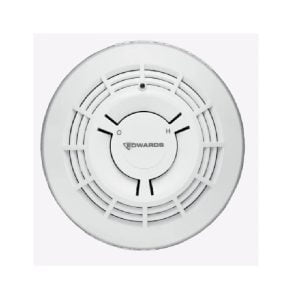
Edward SIGA-OSD-FCN + SIGA-SB Intelligent Photoelectric Smoke Detector with Standard Base
Edward SIGA-OSD + SIGA-SB Addressable Smoke Detector with Base brings advanced optical sensing technology to a practical design that increases efficiency, saves installation time, cuts costs, and extends life safety and property protection capabilities. Continuous self-diagnostics ensure reliability over the long-haul, while environmental compensation helps reduce maintenance costs.
Close
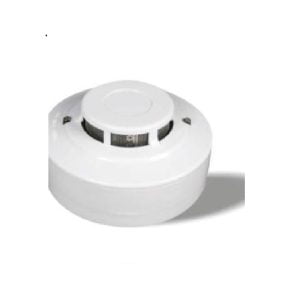
Safe On Conventional Smoke Detector
Safe On Conventional Smoke Detector fire alarm Provide high quality, reliability, and the ultimate in design and decor. The low silhouette and pure white finish blends with most ceiling styles to provide an inconspicuous unit.
Close
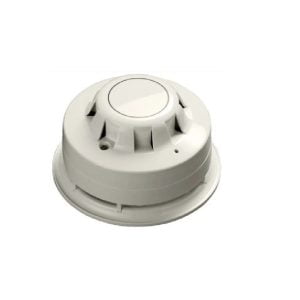
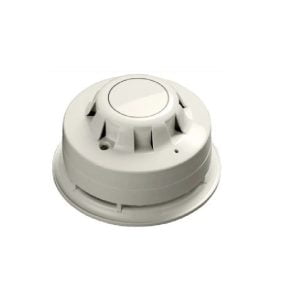
Apollo System Sensor Conventional Smoke Detector White
Apollo System Sensor Conventional Smoke Detector White operates using the light scatter principle and is ideal for applications where slow-burning or smouldering fires pose a potential risk. Discovery? is a range of high-specification, analogue addressable fire detectors and alarm devices.
Close
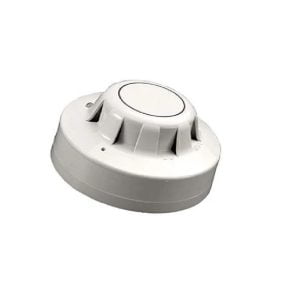
Apollo Addressable Optical Smoke Detector White
Apollo Addressable Optical Smoke Detector White operates using the light scatter principle and is ideal for applications where slow-burning or smouldering fires pose a potential risk. Discovery? is a range of high-specification, analogue addressable fire detectors and alarm devices.
Close
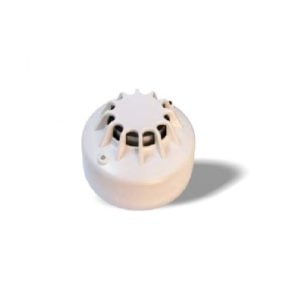
Apollo Optical Smoke Detector White
Apollo Optical Smoke Detector White uses light sensing technology to detect a fire. The external detector moulding has an indicator LED which is white in quiescent state but produces a red light in alarm.
Close
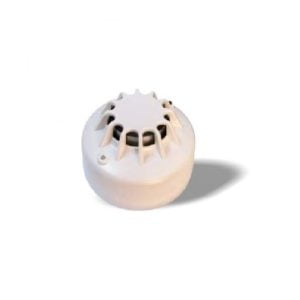
Qutak QT 990SA Stand Alone Smoke Detector With Inbuilt Buzzer
Stand Alone Smoke Detector detects smoke produced by a fire and gives alarm signals in time. Using optical smoke sensing parts and art of state production technologies, it has a stable performance, esthetical appearance.
Close
Qutak QT 360-2L Optical Smoke Detector Dual LED
Optical Smoke Detector Dual LED smoke alarms offer low voltage operations and have a tamper-proof feature. On interconnected units, only the smoke alarm that detects smoke will flash, thus providing identification of the alarm source.
Close
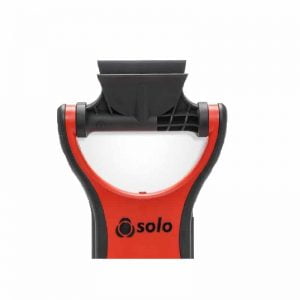
Solo 372 Adaptor for Testing ASD Test Points
Solo 372 No Climb ASD Adaptor allows easy alignment with a ASD sampling hole to help provide a functional test of the system. This not only leads to a more professional approach to maintenance, but will offer a simpler and cleaner solution which can enable faster testing at a reduced cost.
Smoke Detector FAQs
How does a smoke detector work?
Smoke detectors typically use photoelectric or ionization technology to sense smoke particles. When smoke enters the sensing chamber, it disrupts light or electrical currents, activating the alarm system for immediate warning.
Which type of smoke detector is best for my needs?
Choose based on your fire risk:
• Photoelectric detectors – Best for slow, smoldering fires
• Ionization detectors – Ideal for fast-flaming fires
• Addressable detectors – Suitable for large commercial buildings
• Multi-sensor detectors – Higher accuracy with fewer false alarms
Where should smoke detectors be installed?
Smoke detectors should be installed:
• On ceilings or high walls
• Near bedrooms and exits
• In hallways and common areas
• Inside commercial and industrial facilities
Proper placement ensures early detection and faster evacuation.
Why are smoke detectors important for fire safety?
Smoke detectors provide early warning signals, allowing occupants to evacuate quickly before a fire spreads. Early detection significantly reduces the risk of fatalities and property damage.
What is the difference between conventional and addressable smoke detectors?
• Conventional detectors: Identify fire in a general zone
• Addressable detectors: Provide the exact fire location
Addressable systems are ideal for large buildings requiring precise monitoring.
Can smoke detectors detect gas leaks?
No, smoke detectors detect smoke particles only. For gas leaks, use specialized gas detectors such as LPG or carbon monoxide (CO) detectors.
What is a multi-sensor smoke detector?
A multi-sensor smoke detector combines multiple technologies (such as smoke and heat detection) to improve accuracy and reduce false alarms, making it ideal for complex environments.
Do smoke detectors work during power failures?
Yes, most smoke detectors come with battery backup, ensuring continuous operation even during power outages.
Which smoke detector is best for commercial use?
For commercial buildings, addressable or multi-sensor smoke detectors are recommended due to their accuracy, scalability, and integration with fire alarm systems.
How long do smoke detectors last?
Most smoke detectors have a lifespan of 8–10 years. Replacing them after this period ensures optimal performance and safety.
Are smoke detectors mandatory in buildings?
Yes, many fire safety regulations and building codes require smoke detectors in residential, commercial, and industrial properties to ensure occupant safety.
Can smoke detectors be integrated with fire alarm systems?
Yes, smoke detectors are a key component of fire alarm systems and can be integrated with control panels, alarms, and emergency systems for complete fire protection.

