Your list is empty, add products to the list to send a request









Close
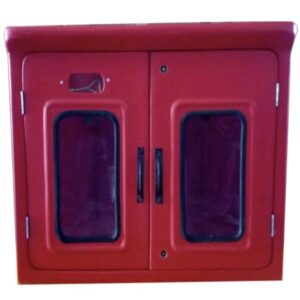
Swastik Hose box (900x600x450mm) Mild Steel 16 Gauge
16 Gauge. Durable construction. Clear Visibility. Secure Locking Mechanism. Weather Resistant. Compact and Space-Efficient. Easy Installation.
Close
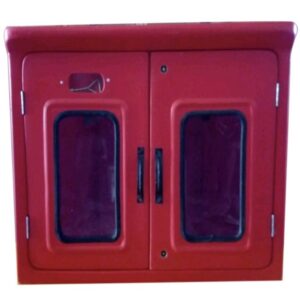
Swastik Hose box (600x600x450mm) Mild Steel 16 Gauge
16 Gauge. Durable construction. Clear Visibility. Secure Locking Mechanism. Weather Resistant. Compact and Space-Efficient. Easy Installation.

Close
Swastik Fire Hose Box, Mild Steel Double Door 500x500x250mm
Durable construction. Clear Visibility. Secure Locking Mechanism. Weather Resistant. Compact and Space-Efficient. Easy Installation.

Close
Swastik Fire Hose Box, Mild Steel Double Door 600x600x250mm
Durable construction. Clear Visibility. Secure Locking Mechanism. Weather Resistant. Compact and Space-Efficient. Easy Installation.

Close
Swastik Fire Hose Box, Mild Steel Double Door 750x600x250mm
Durable construction. Clear Visibility. Secure Locking Mechanism. Weather Resistant. Compact and Space-Efficient. Easy Installation.
Close
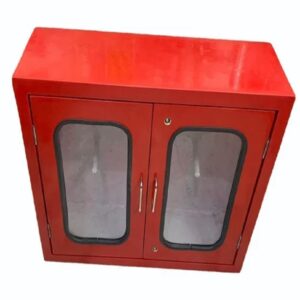
ExoFire Double Door Hose Box 22guage
Long lasting protection for equipment stored inside in even the harshest environments. These cabinets provide best protection from the environmental damage to the fire equipment. Sturdy construction.
Easy to install. Precisely designed.
Close
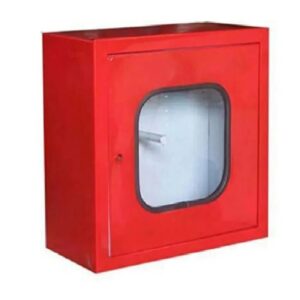
ExoFire Single Door Hose Box 22 guage (MOQ – 2 Pcs)
Long lasting protection for equipment stored inside in even the harshest environments. Sturdy construction. These cabinets provide best protection from the environmental damage to the fire equipment. Precisely designed.

Close
Sangam Single Door Hose Box – 450x600x250
Long lasting protection for equipment stored inside in even the harshest environments. Sturdy construction. These cabinets provide best protection from the environmental damage to the fire equipment. Precisely designed.
Close
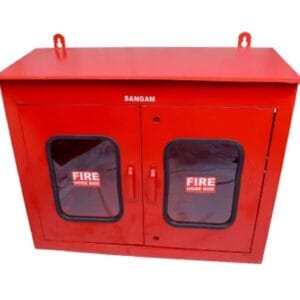
Sangam Double Door Hose Box – 750x600x250
Long lasting protection for equipment stored inside in even the harshest environments. Sturdy construction. These cabinets provide best protection from the environmental damage to the fire equipment. Precisely designed.
Close
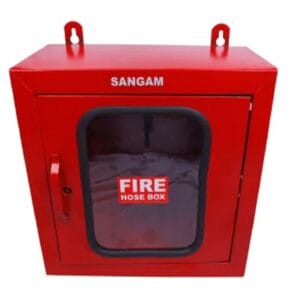
Sangam Single Door Hose Box – 400x400x200 (MOQ-2 Pcs)
Long lasting protection for equipment stored inside in even the harshest environments. Sturdy construction. These cabinets provide best protection from the environmental damage to the fire equipment. Precisely designed.
Close
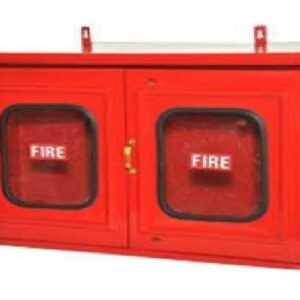
Mfs Hose Box Double Door
Long lasting protection for equipment stored inside in even the harshest environments. Sturdy construction. These cabinets provide best protection from the environmental damage to the fire equipment.
Precisely designed.
Close
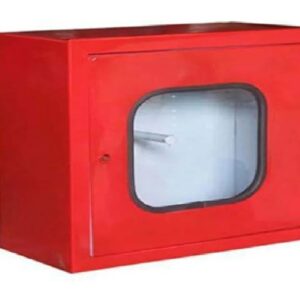
Mfs Hose Box Single Door – 20 Gauge
Long lasting protection for equipment stored inside in even the harshest environments. Sturdy construction. These cabinets provide best protection from the environmental damage to the fire equipment.
Precisely designed.
Close
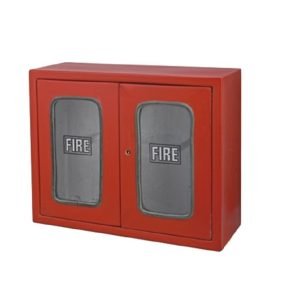
Ultra Fire Hose Box (Double Door)
Fire hose cabinets are boxes to store fire hose pipes and other first aid equipment?s so that all the equipment for firefighting can be found in a single place. fire hose cabinets are installed at the easily accessible place and are color-coded so that they are visible clearly in emergency fire breakout. It has all the complete equipment that needs to be stored so that it can be used in a fire emergency. We at Ultra Fire manufactures of all shapes and sizes as per the requirement of our clients. It can be made up of any material as requested by our clients like mild steel sheet, stainless steel sheet and aluminum sheet. We provide both single and double door type cabinets with locking arrangement. It is equipped with glass on the front and has key locking system.

Close
Improfire Double door hose box fully powder coated
Improfire Double door hose box fully powder coated are used to store the firefighting equipment like Fire Hoses, Fire Extinguishers, Fire Hose Reels, Branch Pipes etc. These cabinets provide best protection from the environmental damage to the fire equipment.

Close
Improfire Single door hose box fully powder coated
Improfire Single door hose box fully powder coated are used to store the firefighting equipment like Fire Hoses, Fire Extinguishers, Fire Hose Reels, Branch Pipes etc. These cabinets provide best protection from the environmental damage to the fire equipment.
Close
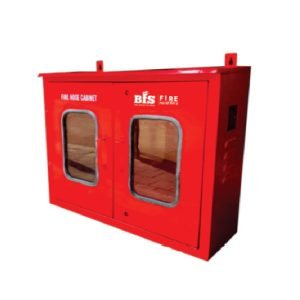
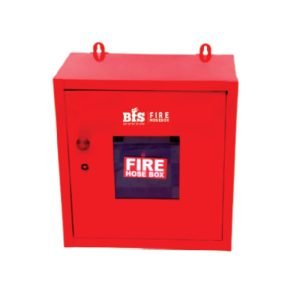
BFS Double Door Hose Box
BFS Double Door Hose Box are used to store the firefighting equipment like Fire Hoses, Fire Extinguishers, Fire Hose Reels, Branch Pipes etc. These cabinets provide best protection from the environmental damage to the fire equipment.
Close
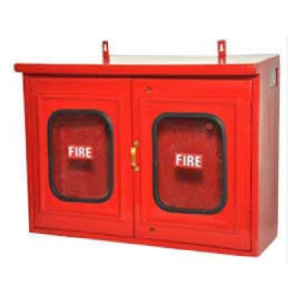
BFS Single Door Hose Box
BFS Single Door Hose Box are used to store the firefighting equipment like Fire Hoses, Fire Extinguishers, Fire Hose Reels, Branch Pipes etc. These cabinets provide best protection from the environmental damage to the fire equipment.
Close
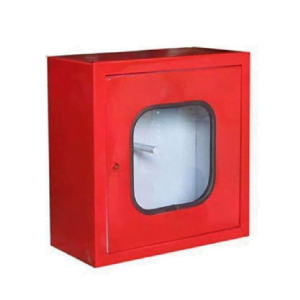
Detect Fire Double Door Hose Box
Detect Fire Double Door Hose Box Hose Boxes are used to store the firefighting equipment like Fire Hoses, Fire Extinguishers, Fire Hose Reels, Branch Pipes etc. These cabinets provide best protection from the environmental damage to the fire equipment.
Close
Detect Fire Single Door Hose Box
Detect Fire Single Door Hose Box Hose Boxes are used to store the firefighting equipment like Fire Hoses, Fire Extinguishers, Fire Hose Reels, Branch Pipes etc. These cabinets provide best protection from the environmental damage to the fire equipment.

Close
Greatex 18 Guage Double Door Hose Box
Greatex 18 Guage Double Door Hose Box areÿused to store the firefighting equipment like Fire Hoses, Fire Extinguishers, Fire Hose Reels, Branch Pipes etc. These cabinets provide best protection from the environmental damage to the fire equipment.
Fire Hose Cabinet FAQs
1. What is a fire hose cabinet?
A fire hose cabinet is a protective enclosure designed to store fire hoses, nozzles, valves, and other firefighting equipment for quick emergency access. It helps keep fire protection equipment secure, visible, and protected from dust, weather, and tampering. Fire hose cabinets are commonly installed in commercial, industrial, and residential buildings.
2. What equipment is typically stored inside a fire hose cabinet?
A fire hose cabinet typically contains a fire hose, branch pipe or nozzle, control valve, and other essential firefighting accessories. Depending on the application, some cabinets may also store fire extinguishers, hose reels, fire axes, or emergency instructions, creating a centralized firefighting station.
3. Why are fire hose cabinets important for fire safety?
Fire hose cabinets ensure firefighting equipment remains protected, organized, and immediately accessible during a fire emergency. By keeping hoses and accessories in a designated location, they improve emergency response times and help maintain the operational condition of critical fire protection equipment.
4. What types of fire hose cabinets are available?
Fire hose cabinets are available in single-door, double-door, recessed, semi-recessed, surface-mounted, and outdoor configurations. The right cabinet depends on the building layout, available wall space, environmental conditions, and the amount of firefighting equipment that must be stored.
5. What materials are used to manufacture fire hose cabinets?
Fire hose cabinets are commonly manufactured from mild steel, stainless steel, aluminium, fiberglass, or other corrosion-resistant materials. Material selection depends on the installation environment, durability requirements, and exposure to moisture, chemicals, or outdoor weather conditions.
6. How do I choose the right fire hose cabinet?
The right fire hose cabinet depends on the hose size, equipment capacity, installation location, and environmental conditions. Consider factors such as cabinet dimensions, door configuration, mounting type, material construction, and whether the cabinet will be used indoors or outdoors.
7. Can fire hose cabinets be installed outdoors?
Yes, outdoor fire hose cabinets are specifically designed to withstand weather exposure while protecting firefighting equipment. Many outdoor models feature corrosion-resistant materials, weatherproof construction, secure locking systems, and durable finishes suitable for harsh environments.
8. What is the difference between a fire hose cabinet and a fire hose reel cabinet?
A fire hose cabinet typically stores lay-flat fire hoses and accessories, while a fire hose reel cabinet contains a permanently connected hose reel for immediate use. Fire hose cabinets are often intended for trained personnel, whereas hose reels are designed for faster first-response firefighting.
9. Are fire hose cabinets required in commercial and industrial buildings?
Many commercial and industrial buildings use fire hose cabinets as part of their active fire protection systems and emergency response infrastructure. Requirements vary by building design, occupancy classification, fire protection standards, and local regulations, making professional system design essential.
10. How often should fire hose cabinets be inspected?
Fire hose cabinets should be inspected regularly to ensure all stored firefighting equipment remains accessible and operational. Routine inspections typically verify cabinet condition, door operation, signage visibility, hose condition, nozzle availability, and the absence of damage or obstructions.