Your list is empty, add products to the list to send a request








Close
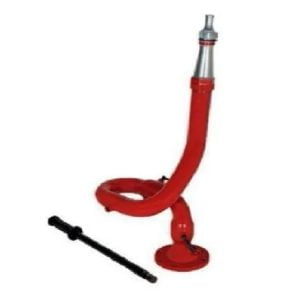
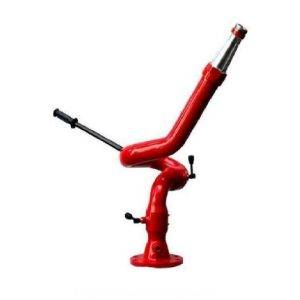
KalpEX Water Monitor 3″ without Pickup Tube
KalpEX Water Monitor 3" without Pickup Tube are industrial monitor devices used to deliver large water flows for fire fighting purposes in high risk or hazardous industries. Industrial fixed monitors can be controlled automatically by means of a remote control station.
Close
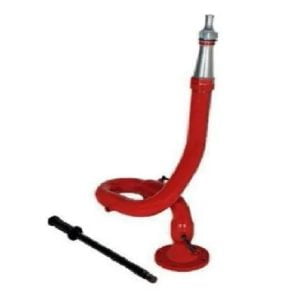
KalpEX Water Monitor Without Pickup Tube
KalpEX Water Monitors without Pickup Tube are industrial monitor devices used to deliver large water flows for fire fighting purposes in high-risk or hazardous industries. Industrial fixed monitors can be controlled automatically by means of a remote control station.
Close
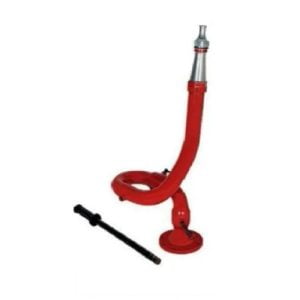
KalpEX Water Monitor 3″
KalpEX Water Monitor 3" are industrial monitor devices used to deliver large water flows for fire fighting purposes in high risk or hazardous industries. Industrial fixed monitors can be controlled automatically by means of a remote control station.
Close
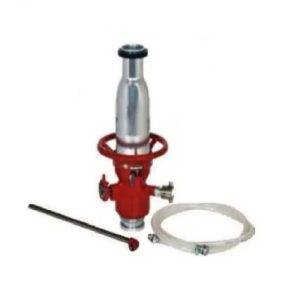
KalpEX Water Monitor
KalpEX Water Monitors are industrial monitor devices used to deliver large water flows for firefighting purposes in high-risk or hazardous industries. Industrial fixed monitors can be controlled automatically by means of a remote control station.
Close
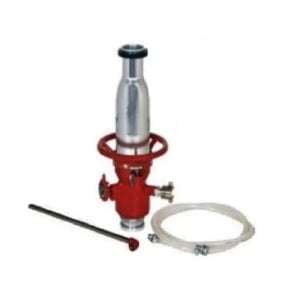
KalpEX 10X Foam Making Branch Pipe
KalpEX 10X Foam Making Branch Pipe is the cost common fire fighting nozzle in use in the country. The nozzle gives a solid jet and different sizes (bore) of nozzles can be fitted to the branch body depending
Close
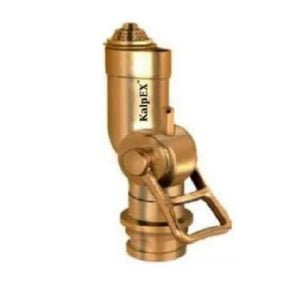
KalpEX 5X Foam Making Branch Pipe
KalpEX 5X Foam Making Branch Pipe is the most common fire fighting nozzle in use in the country. The nozzle gives a solid jet and different sizes (bore) of nozzles can be fitted to the branch body depending
Close
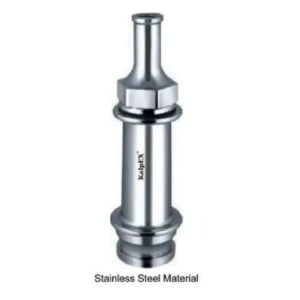
KalpEX Fog Nozzle Gun Metal
KalpEX Fog Nozzle Gun Metal made of Stainless Steel (SS304), fitted with 6/ 12/ 16/ 20/ 25 mm bore nozzle, for projecting water in form of a solid jet. The Branch shall have a 63mm Male Instantaneous Inlet, suitable for use with 63 mm size Fire fighting hoses.
Close
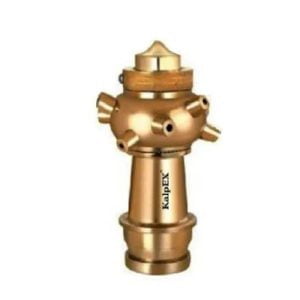
Kalpex Stainless Steel Short Branch Pipe Nozzle
Kalpex Stainless Steel Short Branch Pipe Nozzle is made of Stainless Steel (SS304), fitted with a 6/ 12/ 16/ 20/ 25 mm bore nozzle, for projecting water in form of a solid jet. The Branch shall have a 63mm Male Instantaneous Inlet, suitable for use with 63 mm size Fire fighting hoses.
Close
KalpEX Short Branch With Revolving Head
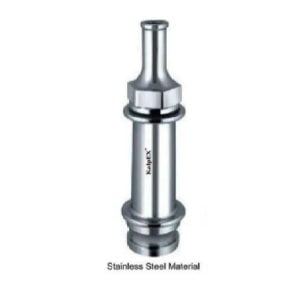
KalpEX Short Branch With Revolving Head is the Short Branch Pipe with Nozzle, as per IS: 903, is made of Stainless Steel (SS304), fitted with a 6/ 12/ 16/ 20/ 25 mm bore nozzle, for projecting water in form of solid jet. The Branch shall have 63mm Male Instantaneous Inlet, suitable for use with 63 mm size Fire fighting hoses.
Close
KalpEX Short Branch Pipe
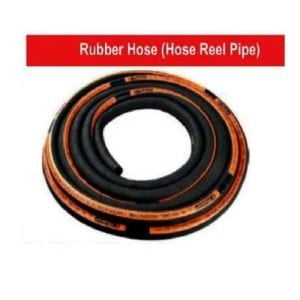
KalpEX Short Branch Pipe is the Short Branch Pipe with Nozzle, as per, IS: 903, is made of Stainless Steel (SS304), fitted with a 6/ 12/ 16/ 20/ 25 mm bore nozzle, for projecting water in form of a solid jet. The Branch shall have a 63mm Male Instantaneous Inlet, suitable for use with 63 mm size Fire fighting hoses.
Close
KalpEX 20mm Rubber Water Fire Hose(Price per Meter)(MOQ of 30 Mtrs)
KalpEX 20mm Rubber Water Fire Hose Controlled Percolating Hose has a unique construction to ensure continuous oozing of water all around the jacket in a controlled manner without compromising the pressure loss. These hoses are used when the hoses are needed to pass through places where there is high radiant heat.

Close
KalpEX Aluminium Alloy 63 mm ISI Marked Branch Pipe Nozzel
KalpEX Aluminium Alloy 63 mm ISI Marked Branch Pipe Nozzel are a well-known manufacturer and supplier in this domain, we are offering high quality Gun Metal Branch Pipe that is precision-engineered for their higher performance and durable work life. Offered product can be fitted with a choice of nozzles suitable to flow and operational requirement.

Close
KalpEX Stainless Steel 63 mm ISI Marked Branch Pipe Nozzel
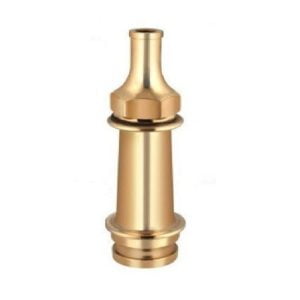
KalpEX Stainless Steel 63 mm ISI Marked Branch Pipe Nozzel are a well-known manufacturer and supplier in this domain, we are offering high quality Gun Metal Branch Pipe that is precision-engineered for their higher performance and durable work life. Offered product can be fitted with a choice of nozzles suitable to flow and operational requirement.
Close
KalpEX Gun Metal 63 mm ISI Marked Branch Pipe Nozzel
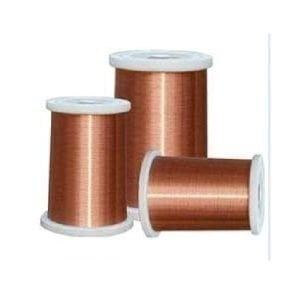
KalpEX Gun Metal 63 mm ISI Marked Branch Pipe Nozzel are a well-known manufacturer and supplier in this domain, we are offering high quality Gun Metal Branch Pipe that is precision-engineered for their higher performance and durable work life. Offered product can be fitted with a choice of nozzles suitable to flow and operational requirement.
Close
KalpEX Copper Wire Binding
KalpEX Copper Wire Binding is used for the purpose of tying applications in the field of construction. It is used extensively in the construction sector for tying the rebars at the joints so as to keep the structure intact. Binding wire is also called annealed wire and is made of mild steel.

Close
KalpEX Stainless Steel Wire Binding
KalpEX Stainless Steel Wire Binding is used for the purpose of tying applications in the field of construction. It is used extensively in the construction sector for tying the rebars at the joints so as to keep the structure intact. Binding wire is also called annealed wire and is made of mild steel.
Close
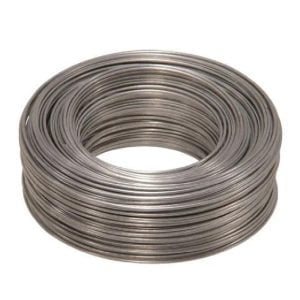
KalpEX Galvanized Wire Binding
KalpEX Galvanized Wire Binding is used for the purpose of tying applications in the field of construction. It is used extensively in the construction sector for tying the rebars at the joints so as to keep the structure intact. Binding wire is also called annealed wire and is made of mild steel.
Close
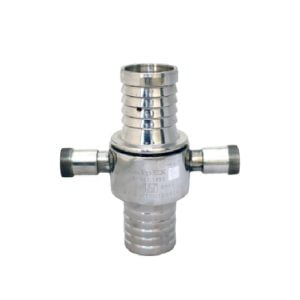
KalpEX Aluminium Commercial 63mm Coupling
KalpEX Aluminium Commercial 63mm Coupling With the help of our proficient team, we are engaged in offering a wide range of Stainless Steel Coupling to our valued clients. These Stainless Steel Fire Hose Coupling are manufactured using optimum quality basic material and latest technology in accordance with the international quality standards.

Close
KalpEX Stainless Steel Commercial 63mm Coupling
KalpEX Stainless Steel Commercial 63mm Coupling With the help of our proficient team, we are engaged in offering a wide range of Stainless Steel Coupling to our valued clients. These Stainless Steel Fire Hose Coupling are manufactured using optimum quality basic material and latest technology in accordance with the international quality standards.

Close
KalpEX Gun Metal 63mm Coupling
KalpEX Gun Metal 63mm Coupling With the help of our proficient team, we are engaged in offering a wide range of Gun Metal Coupling to our valued clients. These Gun Metal Fire Hose Coupling are manufactured using optimum quality basic material and latest technology in accordance with the international quality standards.
Fire Hose Accessories FAQs
1. What are fire hose accessories?
Fire hose accessories are components that help connect, control, operate, and maintain fire hose systems during firefighting operations. Common accessories include hose couplings, branch pipes, nozzles, blank caps, adaptors, hose reels, and hydrant fittings. Together, they ensure efficient water delivery and reliable fire protection performance.
2. Why are fire hose accessories important in a fire protection system?
Fire hose accessories are essential because they enable fire hoses to function safely and effectively during emergencies. Properly selected accessories help maintain water flow, create secure connections, improve firefighting efficiency, and support the overall reliability of hydrant and hose reel systems.
3. What types of fire hose accessories are commonly used?
The most commonly used fire hose accessories include couplings, branch pipes, nozzles, adaptors, blank caps, hose reels, and hydrant tools. Each accessory serves a specific purpose, from connecting hose lines to controlling water discharge and protecting fire hydrant outlets from contamination.
4. What is a fire hose coupling and what does it do?
A fire hose coupling is a fitting used to connect fire hoses to hydrants, valves, nozzles, or other hoses. These connections create a secure, leak-resistant water pathway that allows firefighting systems to operate efficiently under high-pressure conditions.
5. What is a branch pipe in firefighting?
A branch pipe is a firefighting attachment connected to the end of a fire hose to direct and control water flow. It helps firefighters deliver water accurately onto the fire source and is commonly used with nozzles to produce different spray patterns.
6. How do fire hose nozzles improve firefighting effectiveness?
Fire hose nozzles improve firefighting effectiveness by controlling the direction, flow rate, and spray pattern of water. Depending on the application, nozzles can produce straight streams, fog patterns, or wide spray coverage to help suppress fires more efficiently.
7. How do I choose the right fire hose accessories?
The right fire hose accessories depend on the hose size, system design, operating pressure, and firefighting requirements. Key considerations include compatibility, material durability, connection type, corrosion resistance, and compliance with applicable fire protection standards.
8. Are fire hose accessories compatible with all fire hose systems?
Not all fire hose accessories are universally compatible because connection types, sizes, and standards can vary. Before purchasing, verify coupling specifications, hose diameter, thread type, and system requirements to ensure proper installation and reliable performance.
9. What materials are used to manufacture fire hose accessories?
Fire hose accessories are commonly manufactured from brass, aluminium, stainless steel, ABS, and other corrosion-resistant materials. Material selection depends on the application, operating environment, durability requirements, and the level of resistance needed against wear and moisture.
10. How often should fire hose accessories be inspected?
Fire hose accessories should be inspected regularly to ensure they remain operational and ready for emergency use. Routine inspections should check for corrosion, leaks, damaged threads, worn seals, loose connections, and other issues that could affect firefighting performance.