
Your list is empty, add products to the list to send a request











What are the 4 steps of fire safety?

27
Feb
This guide explains the R.A.C.E. fire procedure — Rescue, Alert, Contain, Evacuate — step by step, with the specific actions required at each stage and the critical mistakes that turn manageable situations into fatalities. It is written for building occupants, facility managers, school staff, and anyone who wants to know exactly what to do when a fire breaks out.
| KEY TAKEAWAYS |
| ✓ R.A.C.E. stands for Rescue, Alert, Contain, and Evacuate — the four steps of an effective fire emergency response. ✓ Always rescue people first, but never re-enter a burning building — that is the role of trained firefighters. ✓ Containing a fire by closing doors and windows can slow its spread by several critical minutes, buying time for evacuation. ✓ Every building should have a pre-designated outdoor meeting point upwind of the structure. ✓ Calling emergency services directly is essential even when automatic fire alarm systems are present. |
Why the R.A.C.E. Fire Procedure Is More Relevant Than Ever in 2026
Across India, fire incidents in commercial buildings, schools, and residential complexes continue to result in preventable loss of life not because the buildings lacked fire safety products, but because the people inside did not know how to respond. The National Building Code mandates documented emergency response procedures for all commercial and institutional premises, yet enforcement data consistently shows that the gap is not infrastructure; it is training.
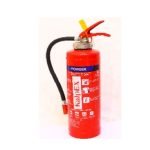
At Fire Supplies, we see this pattern across every segment we serve. Buildings are stocked with the right fire extinguisher cylinder, the correct fire extinguisher foam unit for the kitchen zone, and even newer suppression tools like the fire extinguishing ball for hard-to-reach areas — yet when a drill runs, occupants freeze because nobody has walked them through the sequence.
Understanding the type of fire extinguisher available in your building is only half the picture. A fire extinguisher gas unit (CO₂) in a server room does nothing if the person nearest to it has never been shown how to operate it under pressure. The same applies to every other suppression tool on your premises.
This plays out repeatedly in field audits. Whether you are managing a 50-person office, a factory floor, or a family home, the R.A.C.E. fire procedure gives you a clear, rehearsable sequence that works under pressure — and ensures that your investment in fire safety Brand products from Fire Supplies translates into real protection, not just compliance on paper.
R.A.C.E. at a Glance: All Four Steps
| R | Rescue | Remove anyone in immediate danger from the fire vicinity. Escort them low and fast to the outdoor meeting point. |
| A | Alert | Sound the alarm, shout ‘Fire!’, and call emergency services immediately. Give location, floor, and details. |
| C | Contain | Close doors, windows, and vents near the fire if safe to do so. Restrict airflow to slow the fire’s growth. |
| E | Evacuate | Exit using stairs or fire escapes. Crawl low under smoke. Feel doors before opening. Never use lifts. |
Step R — Rescue: Remove Anyone in Immediate Danger First
The first step of the R.A.C.E. procedure is Rescue — and it is the most time-critical. Scan the immediate fire area quickly for anyone who is in direct danger and cannot evacuate independently. Escort them out promptly, staying low to the floor to minimise smoke inhalation. Move fast, but do not take risks that would put both of you in danger.
Where to take rescued persons
Lead rescued persons directly to the designated outdoor meeting point. Choose a location that is upwind of the building — smoke from a fire can travel quickly and envelop groups gathered on the wrong side of the structure. Once there, conduct a headcount against the building’s occupant register.
What never to do during rescue
- Never re-enter the building once you have evacuated — this is a leading cause of civilian fatalities in fires.
- Never use lifts during a fire — power failure or fire damage to the lift shaft can trap occupants between floors.
- Never attempt to rescue persons in areas with heavy smoke or structural damage — inform firefighters with specific details of where the person was last seen.
When professional firefighters arrive, give them an immediate update: number of persons accounted for, any known trapped individuals and their last known location, and the floor and room where the fire originated.
Step A — Alert: Sound the Alarm and Call Emergency Services
Once persons in immediate danger have been moved to safety, the Alert step of the R.A.C.E. fire procedure requires you to notify everyone in the building and summon professional help simultaneously.
How to alert building occupants
Activate the nearest manual call point or pull station to trigger the fire alarm. If no alarm is installed, shout “Fire!” loudly and clearly on each floor as you move toward the exit. The goal is total building awareness — every occupant should know within 60 seconds that there is a fire.
What to tell emergency services
Call the fire brigade immediately — do not assume that an automatic sprinkler or alarm system has already done this. When connected, provide:
- The exact address, including building name, street, and nearest landmark.
- The floor, zone, or room where the fire is located.
- What appears to be burning — kitchen equipment, electrical panels, stored materials, vehicles.
- Whether any persons are unaccounted for and where they were last seen.
Stay on the line until the dispatcher instructs you to hang up. Move toward the exit while you speak if it is safe to do so
Step C — Contain: Limit Airflow to Slow the Fire’s Spread
The Contain step is the most frequently misunderstood part of the R.A.C.E. procedure — and the most conditional. Containment does not mean fighting the fire. It means restricting the oxygen and airflow that allow it to grow, buying minutes for everyone to evacuate and for firefighters to arrive.
When containment is appropriate
Only attempt containment if the fire is small and confined to a single room or area, you are not directly in the fire’s path, and you can reach doors and windows without crossing the fire zone. If any of these conditions are not met, proceed directly to Evacuate.
How to contain a fire
- Close all doors between you and the fire — a closed door can hold back fire and smoke for 10 to 30 minutes depending on door type.
- Close windows in the fire area if they are open — additional oxygen accelerates fire growth significantly.
- Shut off HVAC vents and fans near the fire if controls are accessible — circulating air feeds the fire and spreads smoke throughout the building.
Do not spend more than 30–60 seconds on containment. Your evacuation takes priority. If smoke begins to enter the corridor or the fire grows visibly, abandon containment and leave immediately.
Step E — Evacuate: Exit Safely Using Known Routes and Correct Technique
The final step of the R.A.C.E. fire procedure is Evacuate. By this point, persons in immediate danger have been rescued, the alarm has been raised, emergency services are en route, and any safe containment has been done. Now every occupant must exit the building in an orderly, efficient manner.
Evacuation technique
- Use the stairs — never lifts. Descend to the ground floor and exit via the nearest marked fire exit.
- Before opening any door, press the back of your hand against it. If it is hot, the fire is on the other side — do not open it. Use your secondary exit route.
- Crawl low on your hands and knees if smoke fills the corridor. The cleanest air is within 30 cm of the floor.
- Close doors behind you as you exit — this slows the spread of both fire and smoke through the building.
- Assist mobility-impaired persons to a designated refuge area on the stairwell landing if direct evacuation is not immediately possible, and inform firefighters of their location.
At the meeting point
Proceed directly to the designated outdoor meeting point. Take a headcount against the occupant register. Do not re-enter for any reason including personal belongings. When firefighters arrive, provide a concise briefing: how many persons are accounted for, whether anyone is missing and where they were last seen, and the current state of the fire as you last observed it
Before R.A.C.E. Is Needed: Fire Prevention Checklist
| QUICK REFERENCE: FIRE PREVENTION CHECKLIST ✓ Install smoke alarms on every floor and inside each bedroom — test monthly. ✓ Create and practise a documented fire escape plan at least twice a year. ✓ Keep a correctly classed fire extinguisher accessible in kitchens and workshops. ✓ Store flammable chemicals in labelled, sealed containers away from heat sources. ✓ Inspect electrical wiring, outlets, and cords annually; replace damaged items immediately. ✓ Clear waste and combustible clutter regularly from storage rooms, corridors, and workspaces. ✓ Post emergency services numbers near every phone and at building exits. |
FAQ About R.A.C.E. Fire Procedure
| Q: What does R.A.C.E. stand for in fire safety? A: R.A.C.E. stands for Rescue, Alert, Contain, and Evacuate. It is a four-step fire emergency response procedure used in homes, workplaces, hospitals, and schools. Each step is designed to be performed in sequence to prioritise life safety, limit fire spread, and ensure a controlled evacuation. |
| Q: When should you attempt to contain a fire versus evacuate immediately? A: Only attempt containment closing doors and windows if the fire is small, confined to one area, and you can do so without putting yourself in danger. If the fire is spreading rapidly, producing heavy smoke, or blocking exit routes, skip containment entirely and evacuate immediately. Your safety always takes priority over fire control. |
| Q: Is it safe to re-enter a building to rescue someone during a fire? A: No. Re-entering a burning building is one of the most dangerous actions a civilian can take. Once you are safely outside, stay outside and inform firefighters immediately that someone may be trapped inside. Trained firefighters have breathing apparatus, protective gear, and thermal imaging equipment specifically for interior search and rescue. |
| Q: What information should you give when calling emergency services during a fire? A: Provide the exact address and building name, the floor and room number where the fire is located, what is burning (electrical, kitchen, stored materials), and whether any persons are unaccounted for. Speak clearly and stay on the line until the dispatcher instructs you to hang up. |
| Q: How do you evacuate safely if corridors are filled with smoke? A: Crawl low on your hands and knees — smoke rises, and the clearest air is closest to the floor. Before opening any door, feel it with the back of your hand; if it is hot, do not open it and find an alternative exit. Close doors behind you as you evacuate to slow the spread of smoke and fire through the building. |
The most important thing you can do with the R.A.C.E. procedure is practise it before you need it — a fire emergency is not the moment to read instructions. Walk your team or family through each step today, designate your meeting point, and confirm that everyone knows the emergency services number and what information to give when they call.
At Fire Supplies, we believe preparedness is not a one-time purchase it is a habit. Equipping your building with the right fire safety products is the foundation, but knowing how to activate the R.A.C.E. procedure the moment an alarm sounds is what turns equipment into protection. From certified fire extinguisher cylinders to fire extinguisher foam units and the innovative fire extinguishing ball, Fire Supplies stocks every tool your emergency response plan requires backed by expert guidance so your team is never left guessing.
Start with the procedure. Back it up with the right equipment. Contact Fire Supplies is here for both.
→ Read next: Top 10 Fire Safety Rules Every Home and Workplace Must Follow

