Your list is empty, add products to the list to send a request










Where Is the Best Place to Put a Fire Extinguisher in Your Home?

02
Jul
Fire extinguishers are essential tools that can make the difference between a small scare and a devastating disaster. But owning a fire extinguisher is only half the battle. Knowing where to place it in your home is just as important.
In this comprehensive guide, we’ll explore the most effective fire extinguisher placement strategies for your house, covering various rooms and risk zones. We’ll also include expert advice, safety regulations, and product recommendations.
Why Strategic Fire Extinguisher Placement Matters
In an emergency, every second counts. A fire extinguisher placed too far away or hidden from view may delay response and worsen the situation.
Proper placement helps:
- Ensure quick access in emergencies
- Improve household safety awareness
- Comply with safety standards and recommendations
Can You Keep a Fire Extinguisher at Home?
Absolutely! In fact, having at least one fire extinguisher per level is highly recommended by safety organizations.
You should have more than one if your home includes:
- A kitchen (high risk of oil fires)
- A garage or workshop
- Multiple floors
- Older electrical systems
Best Locations to Place a Fire Extinguisher in Your Home
1. Kitchen
The most fire-prone area in any house.
- Place near the exit, not above the stove
- Keep it 1–1.5 meters above the ground
- Position at least 10 feet from cooking appliances
2. Garage or Workshop
Ideal for electrical or flammable liquid fires.
- Mount on the wall near the exit
- Choose a dry chemical ABC extinguisher for oil, fuel, and grease
3. Hallways or Stairwells
Central locations for quick access from bedrooms or living rooms.
- Visible and unobstructed
- One per floor, near the top of stairs
4. Bedrooms
Especially important if electrical equipment is used.
- Place near the door
- Suitable for small fires that block escape routes
5. Laundry Room
Washing machines and dryers can overheat.
- Install near the room entrance
- Keep it away from water sources to avoid corrosion
General Guidelines for Home Fire Extinguisher Placement
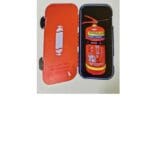
- Mount on a wall or inside an accessible cabinet
- Keep handles at 3–5 feet height from floor
- Avoid placing near heat sources
- Make sure everyone knows where it is
- Install near escape routes whenever possible
How Many Fire Extinguishers Does a Home Need?
As a general rule:
- 1 extinguisher for every 600–800 sq ft
- At least one per floor
- One in each high-risk area (e.g., kitchen, garage)
Larger homes or homes with unique hazards may require additional units.
Can I Recharge a Fire Extinguisher?
Yes, most fire extinguishers, especially ABC types, can be recharged by certified professionals.
You should recharge:
- After any use (even partial discharge)
- If pressure gauge shows undercharged
- After 6 years as part of maintenance
Recharging extends the lifespan and ensures readiness.
Maintenance and Inspection Tips
- Inspect monthly for visible damage and pressure level
- Service annually with a fire safety technician
- Replace every 10–12 years, or sooner if damaged
Proper maintenance ensures your extinguisher works when you need it.
Best Fire Extinguisher for Home Use
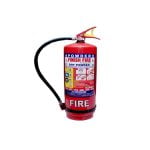
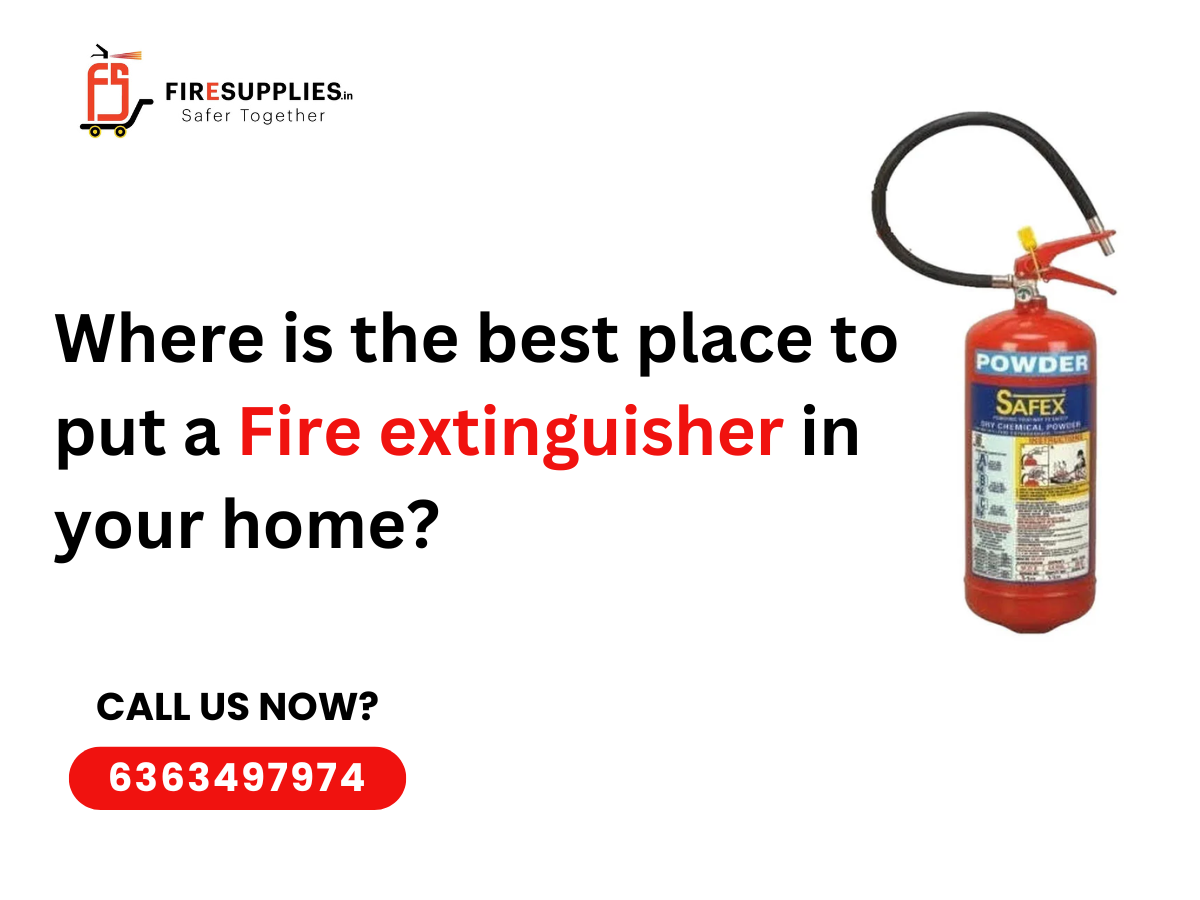
We recommend the Safex ABC Fire Extinguisher for households.
Key Features:
- Covers Class A, B, and C fire risks
- ISI-marked for safety compliance
- 6 Kg capacity for extended use
- Comes with a wall mount for easy placement
It’s ideal for kitchens, garages, and common living areas.
Conclusion: Plan Placement Before the Emergency
Knowing where to put a fire extinguisher in your home is a crucial step in fire preparedness. Focus on risk-prone areas like kitchens and garages, and ensure visibility and accessibility throughout your home.
The Safex ABC Fire Extinguisher is an excellent choice to cover your basic fire protection needs.
FAQs
1. Where should a fire extinguisher be placed in the house?
Place it in high-risk areas like the kitchen, garage, and near exits or hallways for quick access. One per floor is the minimum recommendation.
2. Can we keep a fire extinguisher at home?
Yes, and you should. Homes with extinguishers are far better prepared to handle fire emergencies safely.
3. Can I recharge a fire extinguisher?
Yes, most extinguishers can be recharged after use or during annual maintenance, provided they are not expired or damaged.
Protect what matters most.
Equip your home with the Safex ABC Fire Extinguisher from Fire Supplies and ensure you’re ready for any fire emergency.