
Your list is empty, add products to the list to send a request










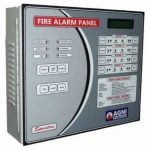
What is a 4-Zone Fire Alarm Panel?

28
Aug
When protecting your building from fire, the alarm system you choose matters. A 4-zone fire alarm panel is one of the most common options for small to medium-sized properties. It provides an effective balance between coverage, cost, and simplicity, making it an excellent choice for offices, shops, warehouses, and schools.
In this guide, you’ll learn exactly what a 4-zone fire alarm panel is, how it works, its benefits, and how it fits into wider fire safety requirements. By the end, you’ll know whether it’s the right fire alarm panel for your premises.
Understanding the Basics of Fire Alarm Panels
Before diving into a 4-zone fire alarm panel, it helps to understand what a fire alarm panel does.
The panel is the central control unit of any fire alarm system. It continuously monitors input devices such as smoke detectors, heat detectors, and manual call points. When triggered, it alerts sounders and strobes to warn building occupants.
Different fire alarm panels come with varying levels of sophistication, from simple conventional panels to advanced addressable ones. The number of zones in a panel defines how a building is divided for fire monitoring.
What Does “4-Zone” Mean in a Fire Alarm Panel?
In a 4-zone fire alarm panel, a building is divided into four separate detection areas, known as zones.
- Zone 1 could cover the reception and lobby.
- Zone 2 might cover the offices.
- Zone 3 could be the warehouse or storage area.
- Zone 4 might cover kitchens or workshops.
When a detector or manual call point is triggered, the panel identifies the zone in which the alarm originated. This makes it easier to locate the fire quickly.
How Does a 4-Zone Fire Alarm Panel Work?
Here’s a step-by-step breakdown of how a 4-zone fire alarm panel operates:
- Detection – A smoke detector, heat detector, or manual call point in a zone is triggered.
- Signal Transmission – The detector sends a signal through the wiring loop to the control panel.
- Panel Processing – The panel recognises which zone has been activated.
- Alarm Activation – Sounders and strobes throughout the building are triggered.
- Zone Indication – The panel shows the exact zone of the fire, helping responders act quickly.
This simplicity makes it reliable, user-friendly, and cost-effective.
Key Features of a 4-Zone Fire Alarm Panel
A 4-zone fire alarm panel usually comes with the following features:
- Zone Capacity – Supports up to 4 detection zones.
- LED Indicators – Clear visual display of fire, fault, or test mode.
- Sounder Circuits – Multiple alarm outputs for sirens or bells.
- Battery Backup – Ensures operation during power failure.
- Test and Reset Functions – Easy to operate during routine testing.
- Compatibility – Works with smoke detectors, heat detectors, and call points.
Where Is a 4-Zone Fire Alarm Panel Used?
This type of fire alarm panel is best suited for small and medium-sized properties, such as:
- Small office blocks.
- Schools or training centres.
- Warehouses.
- Hotels and guesthouses.
- Shops and retail stores.
- Healthcare clinics.
For larger premises, more zones (8, 16, or addressable systems) may be required.
Advantages of a 4-Zone Fire Alarm Panel
Choosing a 4-zone fire alarm panel comes with several benefits:
- Affordability – Cost-effective compared to addressable systems.
- Simplicity – Easy to install, maintain, and use.
- Quick Fire Location – Pinpoints the fire zone without guesswork.
- Scalability – Suitable for buildings divided into four main areas.
- Reliability – Conventional technology with proven effectiveness.
Limitations of a 4-Zone Fire Alarm Panel
While highly effective, this panel does have some limitations:
- Limited Zones – Only covers four areas, unsuitable for large complex buildings.
- No Device-Level Identification – Unlike addressable systems, it shows only the zone, not the exact detector.
- Expansion Restrictions – Cannot easily expand beyond four zones without upgrading the panel.
If your building requires detailed monitoring or has more than four areas, consider an 8-zone or addressable fire alarm system.
Testing a 4-Zone Fire Alarm Panel
Routine testing ensures that the system functions correctly.
- Weekly – Test one manual call point in a different zone each week.
- Monthly – Inspect detectors and sounders for dust, damage, or faults.
- Quarterly – Check backup batteries and connections.
- Annually – A full inspection by a certified fire safety technician.
Testing keeps the system compliant and ready for emergencies.
Frequently Asked Questions
1. What is a zone in a fire alarm system?
A zone is a designated area of a building monitored by detectors and call points. When triggered, the panel shows the zone in alarm, helping responders identify the fire location.
2. What are the different types of fire alarm panels?
There are two main types:
- Conventional Panels – Divide a building into zones (like a 4-zone panel).
- Addressable Panels – Provide pinpoint accuracy by identifying each device individually.
3. What are the grades of fire alarm panels?
Fire alarm systems are often graded by reliability and application. Common grades include Grade A (highest reliability with backup and monitoring) to Grade F (basic domestic systems). Commercial premises usually require higher-grade systems.
Final Thoughts
A 4-zone fire alarm panel offers an excellent balance of affordability, reliability, and coverage for small to medium buildings. It divides your property into four zones, making it easier to locate fires quickly while keeping costs low.
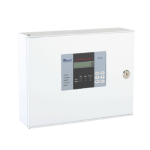
If you’re looking for a dependable option, check out the Ravel RE-104R 4 Zone Conventional Fire Alarm Control Panel. It’s a trusted choice for offices, schools, and other medium-sized premises.
Protect your property and people with the right fire alarm system. Get your 4-zone fire alarm panel today.

