
Your list is empty, add products to the list to send a request








The Role of Honeywell Safety Shoes in Preventing Workplace Injuries

06
Dec
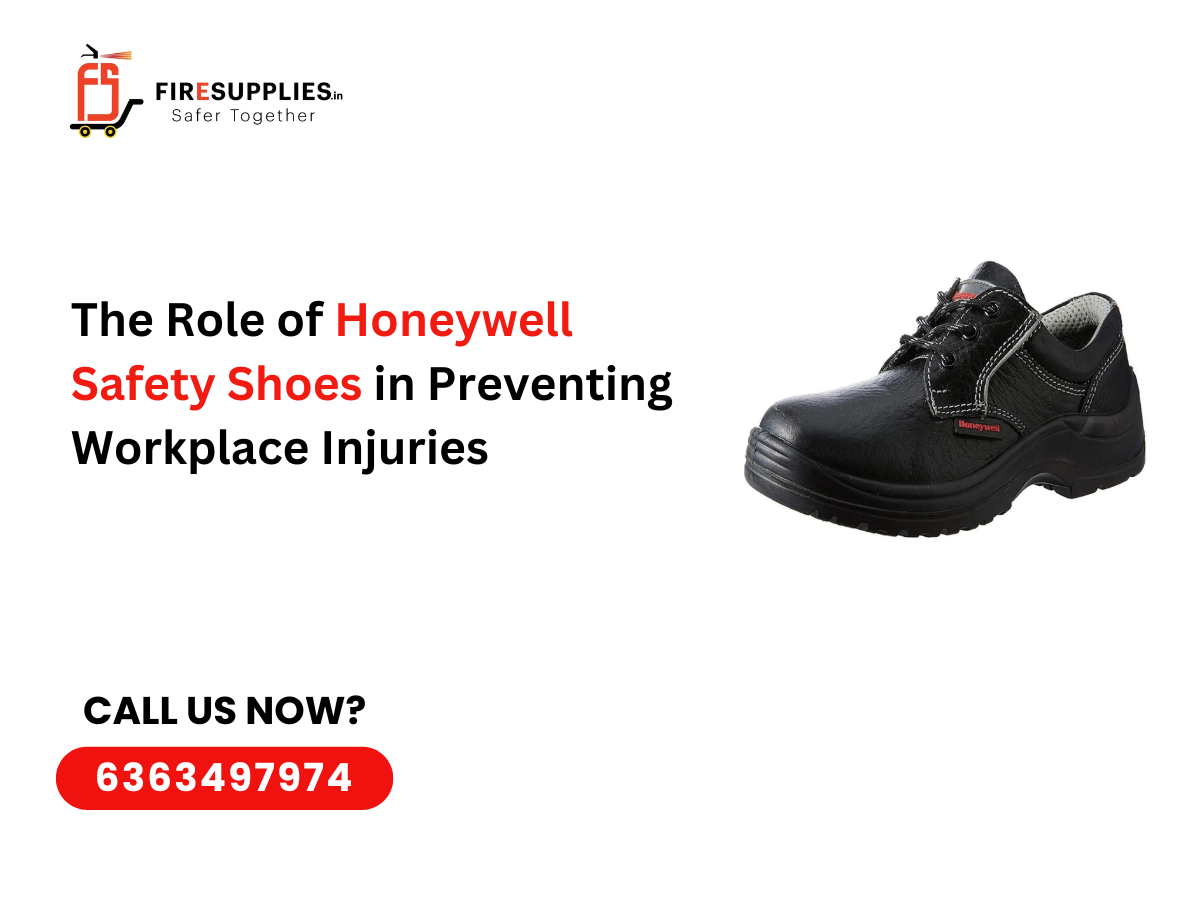
Workplace safety is a responsibility shared by both employers and employees, especially in industries where risks are high and injuries can occur without warning. From falling objects and sharp equipment to slippery floors and electrical hazards, the threat landscape is broad and unpredictable. This is why equipping workers with the right protective footwear is essential. Among the most trusted options available today, Honeywell Safety Shoes play a significant role in preventing workplace injuries through innovation, durability, and advanced protective features.
For industrial professionals working in construction, manufacturing, logistics, automotive repair, mining, and warehousing, choosing the right safety shoes can make the difference between a productive shift and a life-altering accident. Honeywell engineers its shoes to meet global standards, offering reliable steel toe protection, slip-resistant soles, shock absorption, and ergonomic support that helps reduce fatigue-related risks.
Why Workplace Foot Protection Matters
Foot injuries are among the most common workplace incidents, often resulting from negligence, insufficient protective gear, or poor-quality safety footwear. These injuries can lead to lost workdays, compensation claims, long-term disability, and decreased workforce productivity.
Honeywell addresses these challenges by designing safety shoes that combine protection with comfort. Their footwear complies with BIS, ISO, and international occupational safety standards, ensuring maximum defence against a wide range of hazards.
Foot protection is essential because:
- Industrial workers face constant exposure to impact, compression, puncture, and slipping hazards.
- Proper safety shoes significantly reduce the likelihood of disabling foot injuries.
- Quality footwear enhances stability and balance, reducing the risk of falls.
- Fatigue caused by long working hours can impair judgment and trigger accidents.
This is why Honeywell Safety Shoes remain a popular choice among safety managers and industrial workers.
Impact Protection: Guarding Against Falling and Rolling Objects
One of the primary causes of foot injuries is impact from falling objects such as tools, machinery parts, or heavy materials. Honeywell equips its shoes with robust steel toe caps to counter this risk.
Key features of Honeywell’s impact protection:
- 200-joule steel toe caps tested for high-impact resistance
- Crush protection to prevent compression injuries
- Reinforced toe design for long-lasting durability
- Full coverage shielding for work environments with heavy lifting
This ensures that even in high-risk areas like warehouses, construction zones, and fabrication units, workers’ toes are protected from severe injuries.
Slip Resistance: Preventing Falls on Slippery Surfaces
Slips and falls rank among the top occupational accidents reported across industries. Wet floors, oil spills, dust accumulation, and smooth surfaces increase the risk dramatically.
Honeywell Safety Shoes are equipped with scientifically developed anti-slip soles designed to improve traction and balance.
Slip-resistant features include:
- PU soles tested on wet and oily surfaces
- Deep tread patterns for grip
- Oil-resistant outsole materials
- Anti-skid sole technology for uneven ground
These properties make Honeywell shoes ideal for environments like factories, logistics hubs, workshops, and chemical plants.
Protection Against Sharp Objects and Punctures
Industrial floors often contain sharp debris such as metal shavings, broken glass, screws, or nails. Honeywell protects workers with soles designed to resist punctures and prevent injuries.
Puncture-resistant benefits:
- Thick, durable PU outsole that resists penetration
- Sturdy sole layers to provide cushioning and barrier protection
- Anti-abrasion properties for prolonged use
This feature is especially valuable in construction, fabrication, and maintenance environments where debris can cause severe foot damage.
Electrical Hazard Protection for High-Risk Environments
Electrical shock can be one of the most dangerous workplace incidents. Honeywell offers safety shoes that protect workers from accidental contact with live electrical circuits.
Electrical resistance features:
- Antistatic sole design
- Insulating materials to prevent electric conduction
- Compliance with electrical hazard standards
These attributes make Honeywell Safety Shoes perfect for electricians, maintenance workers, HVAC technicians, and manufacturing teams operating near electrical systems.
Heat and Chemical Resistance for Hazardous Sites
Professionals working in chemical plants, foundries, and heavy industries require shoes that can withstand heat, corrosive spills, and harsh chemicals. Honeywell integrates protective materials and specialized sole technology to offer this level of defence.
Key advantages include:
- Heat-resistant soles designed for high temperatures
- Chemical-resistant outsoles
- Stain-resistant materials for easy maintenance
- Durable construction that prevents cracks and deterioration
These properties help prevent burns, skin irritation, and long-term discomfort.
Shock Absorption and Fatigue Prevention
Long work shifts and continuous standing can lead to fatigue, which increases the likelihood of accidents. Honeywell incorporates ergonomic and energy-return features to reduce strain.
Comfort-driven features include:
- Soft cushioned footbeds
- Shock-absorbing midsoles
- Padded ankle collars
- Breathable linings
- Lightweight structure
By reducing fatigue, Honeywell Safety Shoes help workers maintain focus, alertness, and precision—ultimately lowering the risk of accidents caused by exhaustion.
Support and Stability to Prevent Twisting and Missteps
Ankle rolls, sudden twists, and uneven surfaces can cause sprains or ligament injuries. Honeywell integrates stability-enhancing technology to help workers stay balanced.
Stability features:
- Wide-stance soles
- Heel support structures
- Anti-torsion shanks
- Enhanced arch support
These components minimize the chances of missteps and improve overall posture during work.
BIS and International Certifications: Ensuring Reliable Safety
One of the strongest indicators of Honeywell’s commitment to safety is its compliance with leading global certifications.
Honeywell Safety Shoes meet:
- BIS (Bureau of Indian Standards) safety requirements
- ISO 20345 international footwear regulations
- OSHA safety recommendations for workplace footwear
These certifications validate the shoes’ resistance to impact, slipping, abrasion, chemical exposure, and sole bonding.
Industries That Benefit Most from Honeywell Safety Shoes
Because Honeywell designs shoes with multi-industry safety needs in mind, their footwear is ideal for a wide range of work environments.
Common industries include:
- Construction
- Oil & Gas
- Mining
- Manufacturing
- Logistics & Warehousing
- Chemical Processing
- Automotive Workshops
- Electrical and HVAC Services
- Steel and Metal Fabrication
This versatility makes Honeywell a preferred brand across India’s expanding industrial sectors.
How Honeywell Safety Shoes Reduce the Risk of Workplace Injuries
Combining all of the above protective features, Honeywell footwear ensures safety across all critical dimensions.
They help prevent injuries such as:
- Fractures from falling objects
- Burns from heat or chemicals
- Electric shocks
- Puncture wounds
- Slips, trips, and falls
- Muscle strain from fatigue
- Ankle sprains
- Toe compression injuries
- Abrasion-related skin injuries
Workers who use Honeywell Safety Shoes consistently report fewer incidents and improved job performance.
Maintenance Tips to Ensure Long-Term Protection
Extending the life of safety shoes ensures consistent protection and reduces injury risks.
Maintenance best practices:
- Clean regularly with a soft brush
- Avoid overexposure to water
- Allow shoes to air-dry naturally
- Replace worn-out insoles
- Periodically inspect soles and stitching
- Store in a cool, ventilated area
Proper care enhances the shoe’s lifespan and ensures continuous, reliable safety.
Frequently Asked Questions (FAQs)
1. What types of injuries can these shoes prevent?
Honeywell Safety Shoes protect against impact injuries, compression injuries, punctures, electrical hazards, chemical burns, slips, falls, sprains, and fatigue-related strain.
2. Are Honeywell safety shoes certified for anti-slip soles?
Yes. Honeywell’s slip-resistant soles comply with BIS and ISO standards, ensuring strong grip on wet, oily, and uneven surfaces.
3. Can safety shoes reduce the risk of fatigue-related accidents?
Absolutely. With cushioned footbeds, shock-absorbing soles, and ergonomic support, Honeywell shoes reduce fatigue, helping workers maintain balance, focus, and stability throughout long shifts.
Conclusion: Honeywell Safety Shoes Are a Reliable Shield Against Workplace Hazards
Honeywell has established itself as a global leader in industrial safety, and its footwear reflects that legacy. From robust steel toes and anti-slip soles to chemical resistance and ergonomic comfort, Honeywell Safety Shoes provide comprehensive protection across a variety of hazardous environments.
For businesses and workers seeking dependable, long-lasting safety footwear, Honeywell is an investment that delivers everyday security, comfort, and performance.

