
Your list is empty, add products to the list to send a request









Top Fire Sprinkler Types for Commercial Buildings


03
Jan
A fire sprinkler system is one of the most effective fire protection solutions for commercial buildings.
From offices and shopping centres to warehouses and factories, fire sprinklers play a critical role in controlling fires before they spread.
Choosing the right fire sprinkler type is essential.
Different commercial spaces have different ceiling heights, fire risks, and environmental conditions, which means one sprinkler type does not fit all.
What Is a Fire Sprinkler?
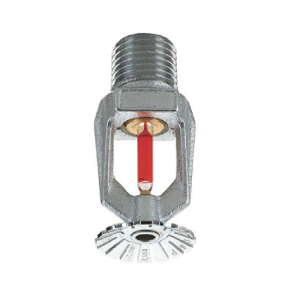
A fire sprinkler is an automatic fire suppression device designed to release water when heat from a fire reaches a specific temperature.
In commercial buildings, fire sprinklers help control or extinguish fires early, reducing damage, protecting occupants, and supporting safe evacuation.
Each sprinkler head activates individually, responding only to heat in its immediate area.
Technical Details of a Fire Sprinkler System
| Technical Aspect | Description |
| Sprinkler Activation | Heat-sensitive glass bulb or fusible link |
| Water Discharge | Pressurised water spray |
| Activation Temperature | Pre-set temperature rating |
| Coverage Area | Varies by sprinkler type and spacing |
| Installation Position | Ceiling or sidewall mounted |
| System Type | Wet, dry, or pre-action |
Why Fire Sprinklers Are Essential for Commercial Buildings
Commercial buildings host large numbers of people, equipment, and combustible materials.
A fire sprinkler system provides continuous, automatic fire protection without human intervention.
Fire sprinklers reduce fire spread, limit structural damage, and improve overall building safety.
They are also a key requirement for insurance compliance and building regulations in many regions.
Common Fire Sprinkler Types Used in Commercial Buildings
Understanding sprinkler types helps you choose the right solution for your facility.
Pendant Fire Sprinklers
These are ceiling-mounted and spray water downward.
They are commonly used in offices, hotels, and retail spaces.
Upright Fire Sprinklers
Installed above the piping, they spray water upward and outward.
They are ideal for exposed ceilings and industrial areas.
Sidewall Fire Sprinklers
Mounted on walls near ceilings, these are used where ceiling installation is not possible.
They are common in corridors and small rooms.
Concealed Fire Sprinklers
Hidden behind decorative covers, they maintain interior aesthetics.
Often used in commercial offices and hospitality spaces.
Fire Sprinkler Types for High-Ceiling Commercial Spaces
High-ceiling buildings require specialised sprinkler solutions.
ESFR (Early Suppression Fast Response) Sprinklers
Designed for warehouses and distribution centres.
They discharge water rapidly to suppress fires at their source.
Large Drop Sprinklers
Used in tall storage areas with high heat release potential.
They provide deeper water penetration.
Applications of Fire Sprinklers
Fire sprinklers are used across a wide range of commercial environments.
Typical applications include:
- Office buildings
- Shopping malls
- Hotels and hospitals
- Warehouses and logistics centres
- Manufacturing plants
- Data centres and utility rooms
Advantages of Fire Sprinkler Systems
Automatic Activation
Fire sprinklers respond immediately when heat is detected.
Reduced Fire Damage
Early suppression limits fire spread and property loss.
Life Safety
Fire sprinklers help protect occupants and support evacuation.
Insurance Benefits
Buildings with sprinklers often qualify for lower insurance premiums.
Limitations of Fire Sprinklers
Despite their benefits, fire sprinklers have some limitations.
- They require proper maintenance
- Incorrect spacing reduces effectiveness
- Not all sprinkler types suit every environment
- Water discharge may affect sensitive equipment
Corrosion Resistance in Fire Sprinkler Heads
Commercial buildings may expose sprinkler heads to moisture, chemicals, or temperature changes.
Corrosion-resistant fire sprinkler heads help maintain long-term performance.
Special coatings and materials protect sprinkler components from rust and degradation.
This is especially important in parking areas, warehouses, and industrial settings.
Buying Guide: Choosing the Right Fire Sprinkler
When selecting fire sprinkler heads for a commercial building, consider:
- Ceiling height and layout
- Type of occupancy and fire risk
- Environmental conditions
- Sprinkler response type
- Compliance with safety standards
Installation and Maintenance Considerations
Fire sprinkler systems must be installed by qualified professionals.
Correct spacing, alignment, and pressure ensure reliable activation.
Routine inspections and testing keep each fire sprinkler functional.
Maintenance helps identify leaks, corrosion, or mechanical damage early.
Standards for Fire Sprinklers
Fire sprinklers should comply with recognised safety standards.
Key standards and guidance come from:
- National Fire Protection Association (NFPA)
- Government fire safety authorities
- International fire protection standards bodies
Frequently Asked Questions (FAQs)
FAQ 1: What is the best fire sprinkler for high-ceiling warehouses?
ESFR fire sprinklers are commonly recommended for high-ceiling warehouses due to their fast response and high water discharge.
FAQ 2: Do fire sprinklers activate automatically?
Yes. Each fire sprinkler activates automatically when its heat-sensitive element reaches a specific temperature.
FAQ 3: Are your fire sprinkler heads corrosion-resistant?
Many commercial fire sprinkler heads are available with corrosion-resistant coatings for long-term durability.
FAQ 4: Do all sprinklers activate at once?
No. Only the sprinkler exposed to heat from the fire activates.
FAQ 5: Are fire sprinklers suitable for offices?
Yes. Concealed and pendant fire sprinklers are commonly used in offices.
FAQ 6: How often should fire sprinklers be inspected?
Regular inspections are recommended as per fire safety guidelines.
FAQ 7: Can fire sprinklers damage electronics?
While water discharge can affect electronics, early fire control often prevents greater damage.
FAQ 8: Are fire sprinklers mandatory in commercial buildings?
Requirements depend on building codes and occupancy type.
Final Call to Action
The right fire sprinkler system can save lives, protect assets, and keep your business running.
Choose sprinkler heads designed for your commercial environment and ensure long-term fire safety compliance.

