
Your list is empty, add products to the list to send a request









Why CO2 Fire Cylinders Are a Must for Workshops

25
Dec
A fire cylinder is one of the most important safety tools in any workshop environment.
Workshops are filled with machinery, electrical equipment, flammable materials, and moving parts—all of which increase the risk of fire.
In these high-risk settings, a CO2 fire cylinder offers fast, clean, and effective fire suppression without damaging sensitive equipment.
This article explains why CO2 fire cylinders are not just recommended, but essential for workshops of all sizes.
What Is a CO2 Fire Cylinder and Why Is It Critical for Workshops?
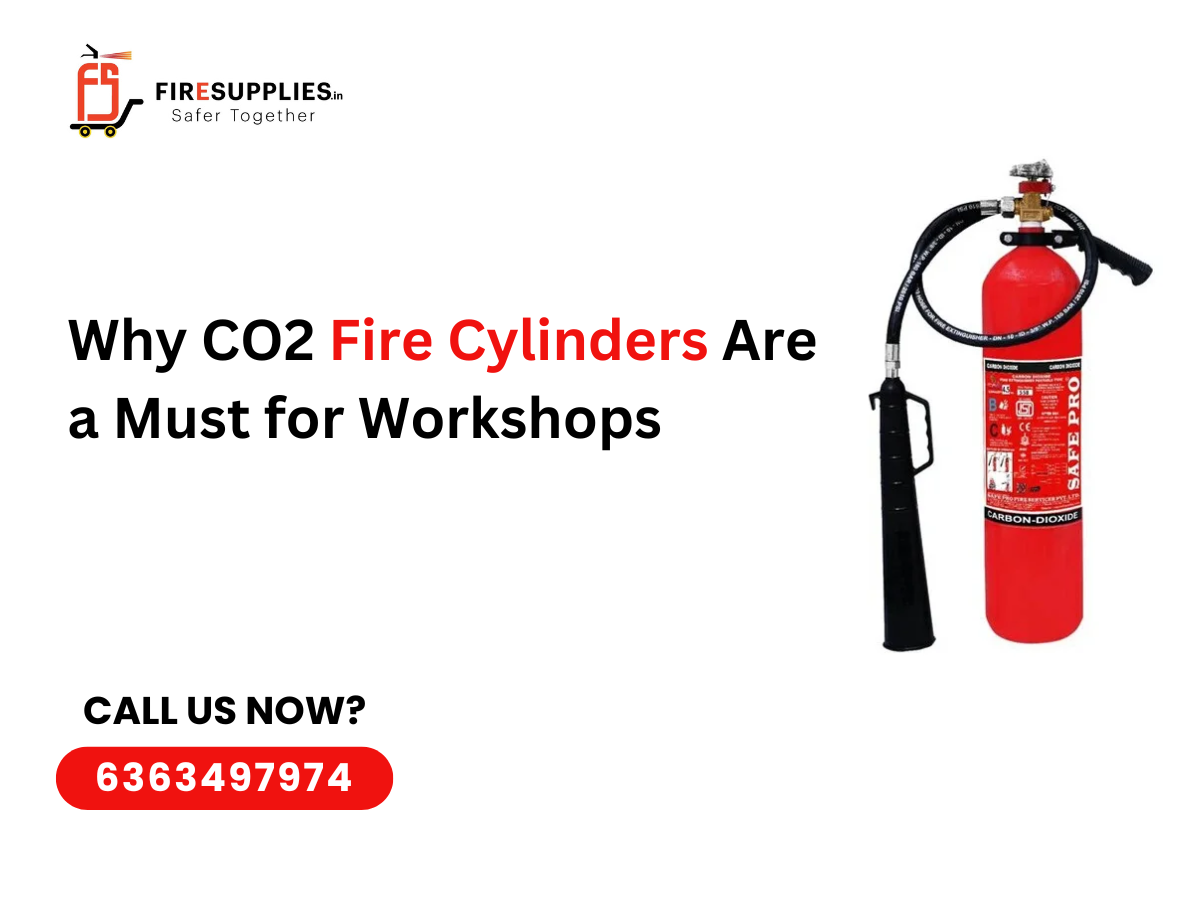
A fire cylinder containing carbon dioxide (CO2) is a pressurised safety device that extinguishes fires by displacing oxygen and cooling the fire source.
In workshops, CO2 fire cylinders are critical because they safely control electrical and machinery-related fires without leaving residue or causing secondary damage.
This makes them ideal for environments where equipment protection and worker safety are equally important.
Technical Details of a CO2 Fire Cylinder
| Technical Aspect | Specification |
| Fire Cylinder Type | CO2 (Carbon Dioxide) |
| Hydrant Pressure Class | High-pressure stored gas |
| Hose / Discharge Horn Rating | Non-conductive, frost-resistant |
| Pipe & Valve Standards | Industrial-grade alloy valves |
| Fire Classes Covered | Electrical & Class B fires |
| Residue After Discharge | None |
| Typical Discharge Range | Short, targeted bursts |
These technical features explain why a fire cylinder is well suited for workshop environments with machinery and electronics.
Fire Risks Commonly Found in Workshops
Workshops face unique fire hazards that are rarely present in homes or offices.
Common workshop fire risks include:
- Electrical short circuits from machinery
- Sparks from welding or cutting tools
- Overheated motors and equipment
- Flammable oils, lubricants, and solvents
- Poor ventilation around heat-generating tools
A CO2 fire cylinder is designed to respond quickly to these exact risks.
Use Cases: Where CO2 Fire Cylinders Are Used in Workshops
CO2 fire cylinders are strategically placed in workshops for rapid access.
Typical applications include:
- Near heavy machinery and CNC machines
- Electrical control panels and switchboards
- Welding and fabrication zones
- Tool storage areas
- Maintenance bays and repair sections
Why CO2 Fire Cylinders Are Better Than Water in Workshops
Water-based fire suppression can damage machinery and increase electrical hazards.
This is where a CO2 fire cylinder offers a safer alternative.
CO2 does not conduct electricity and leaves no residue.
It extinguishes fires cleanly, protecting expensive workshop equipment and reducing downtime.
Advantages of Using a CO2 Fire Cylinder in Workshops
Safe for Machinery and Electrical Systems
CO2 fire cylinders are non-conductive, making them ideal for electrical equipment.
No Residue or Cleanup
Unlike foam or powder, CO2 leaves no mess behind.
Fast Fire Suppression
Immediate oxygen displacement helps control fires quickly.
Minimal Equipment Damage
Sensitive machinery remains unharmed after discharge.
These advantages make a fire cylinder a practical choice for workshops.
Limitations of CO2 Fire Cylinders
While effective, CO2 fire cylinders have limitations.
Key considerations include:
- Limited discharge time
- Less effective on deep-seated solid fires
- Requires correct distance and aiming
- Not ideal for open, windy areas
The Role of the Fire Cylinder in Workshop Safety Planning
Fire safety in workshops is about preparedness, not reaction.
A fire cylinder forms part of a broader safety strategy that includes training, signage, and regular inspections.
When workers know where fire cylinders are placed and how to use them, response time improves dramatically.
Buying Guide: Choosing the Right Fire Cylinder for Workshops
When selecting a fire cylinder for workshop use, consider:
- Type of machinery and electrical load
- Workshop size and layout
- Cylinder weight and handling ease
- Compliance with safety standards
- Durability for industrial environments
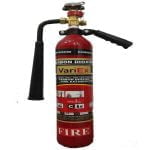
Safepro 4.5kg CO2 Fire Cylinder for Workshop Use
The Safepro 4.5kg Carbon Dioxide Gas Fire Extinguisher Cylinder is designed for demanding environments.
Its robust build and reliable discharge system make it suitable for workshops with frequent movement and handling.
This model offers sufficient suppression power while remaining portable.
Product details: Safepro 4.5kg
Durability: How CO2 Fire Cylinders Handle Rough Workshop Conditions
Workshops are tough environments.
A quality fire cylinder must withstand vibrations, accidental knocks, and temperature variations.
Industrial-grade CO2 fire cylinders are built with reinforced steel bodies and protective valves, ensuring performance even after rough handling.
Standards and Certifications for Workshop Fire Cylinders
Fire cylinders used in workshops should comply with recognised safety standards.
Look for alignment with:
- National fire safety regulations
- Pressure vessel safety norms
- Manufacturing quality certifications
Authoritative fire safety guidance can be referenced from:
- National Fire Protection Association (NFPA)
- Government fire safety authorities
- International fire safety standards bodies
Frequently Asked Questions (FAQs)
FAQ 1: Are fire cylinders safe for workshops with machinery?
Yes. CO2 fire cylinders are safe for workshops because they do not conduct electricity and do not damage machinery.
FAQ 2: What is the coverage area of a 4.5kg fire cylinder?
A 4.5kg fire cylinder is suitable for controlling small to medium electrical or flammable liquid fires in confined workshop zones.
FAQ 3: How does the Safepro fire cylinder withstand rough handling?
The Safepro fire cylinder is built with a durable steel body and industrial-grade valves designed for demanding environments.
FAQ 4: Can CO2 fire cylinders be used near CNC machines?
Yes. They are ideal for CNC and electrical equipment fires.
FAQ 5: Do CO2 fire cylinders leave residue on tools?
No. CO2 leaves no residue.
FAQ 6: Is training required for workshop staff?
Basic fire safety instruction is recommended for effective use.
FAQ 7: How often should fire cylinders be inspected?
They should be inspected periodically as per safety guidelines.
FAQ 8: Can one fire cylinder protect an entire workshop?
Large workshops may require multiple fire cylinders placed strategically.
Final Call to Action
A fire cylinder is essential for workshops because it safely controls electrical and machinery fires without damaging equipment.
CO2 fire cylinders act quickly, leave no residue, and are ideal for environments with high electrical and mechanical fire risks.

