
Your list is empty, add products to the list to send a request








How to Use a Fire Cylinder: Step-by-Step Safepro CO2 Demo

22
Dec
Knowing how to use a fire cylinder correctly can prevent a small fire from turning into a life-threatening emergency.
Many homes and workplaces own fire safety equipment, but very few people understand how to operate it safely under pressure.
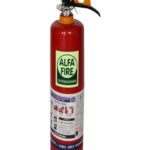
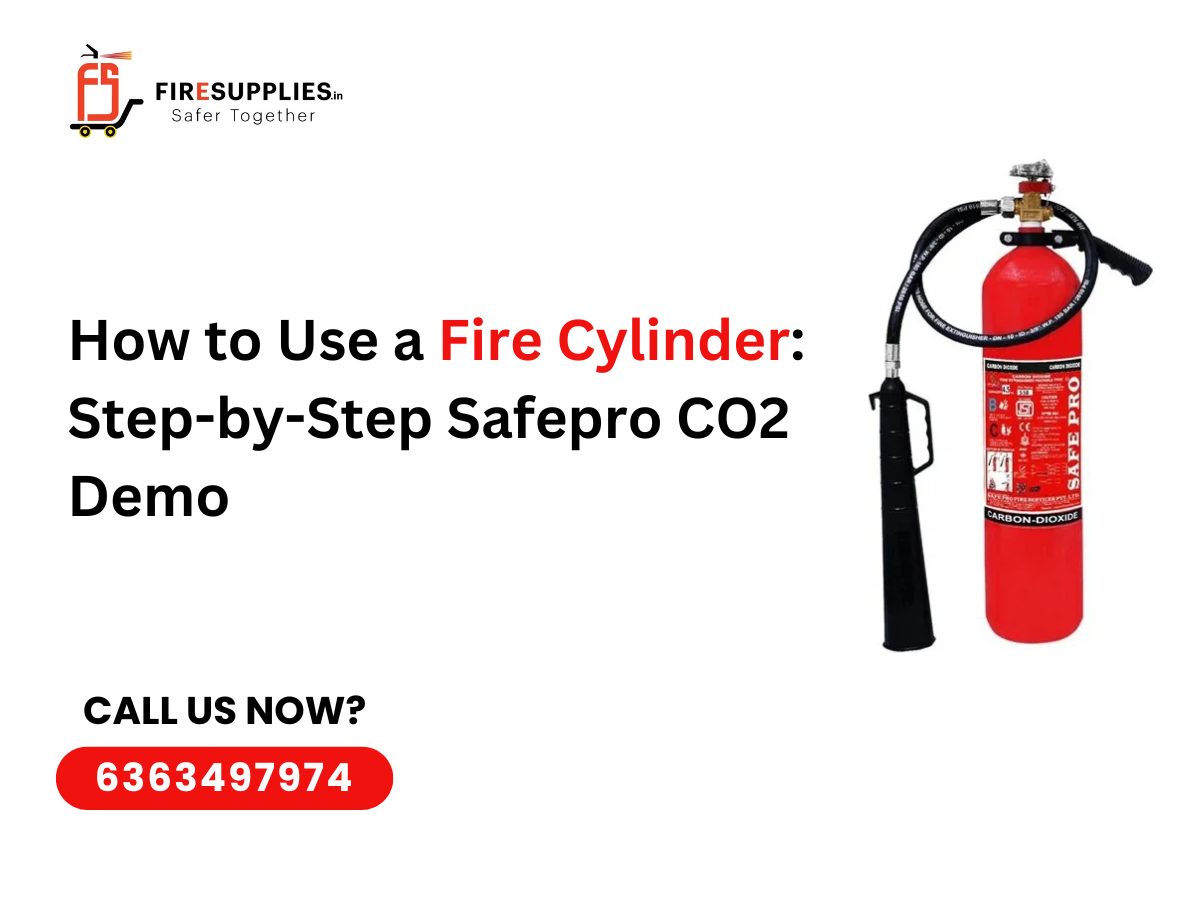
This guide explains, step by step, how to use a fire cylinder, with a clear demonstration approach based on the Safepro 4.5kg CO2 fire cylinder.
By the end, you will know when to use it, how to use it, and how to stay safe while doing so.
What Is a Fire Cylinder and How Is It Used?
A fire cylinder is a pressurised fire safety device that releases a fire-suppressing agent to control or extinguish a fire at its early stage.
When used correctly, it cuts off oxygen or heat from the fire, stopping it from spreading before emergency services arrive.
CO2 fire cylinders are commonly used for electrical and flammable liquid fires because they leave no residue and do not conduct electricity.
Technical Details of a Fire Cylinder
| Technical Aspect | Specification |
| Cylinder Type | CO2 Fire Cylinder |
| Hydrant Pressure Class | High-pressure stored gas |
| Hose Rating | Non-conductive discharge hose |
| Pipe & Valve Standards | Corrosion-resistant alloy |
| Discharge Time | Short, controlled burst |
| Fire Class | Electrical & Class B fires |
| Residue | None |
These technical characteristics make a fire cylinder suitable for indoor and residential environments.
When Should You Use a Fire Cylinder?
A fire cylinder is designed for early-stage fires only.
Using it at the right moment is critical for safety.
Common applications include:
- Electrical panel or wiring fires
- Computer, server, or appliance fires
- Kitchen fires involving oils or gas
- Home offices and inverter areas
- Retail counters and small commercial spaces
If the fire is spreading rapidly or producing heavy smoke, evacuate immediately instead of using a fire cylinder.
Understanding the Safepro CO2 Fire Cylinder Before Use
Before operating any fire cylinder, you should understand its basic parts:
- Safety pin
- Discharge horn or hose
- Pressure-sealed cylinder body
- Operating handle
The Safepro 4.5kg CO2 fire cylinder is compact and designed for easy handling, making it suitable for homes and small workplaces.
Step-by-Step: How to Use a Fire Cylinder Safely
Step 1: Assess the Situation
Ensure the fire is small and contained.
Check that you have a clear exit behind you.
Step 2: Pull the Safety Pin
This unlocks the operating handle of the fire cylinder.
Step 3: Aim at the Base of the Fire
Never aim at flames.
Always target the base where the fuel source is.
Step 4: Squeeze the Handle
This releases the CO2 gas from the fire cylinder.
Step 5: Sweep Side to Side
Move the discharge horn slowly across the base until the fire is out.
Stop once the fire is fully extinguished and back away carefully.
The PASS Technique Explained for Fire Cylinder Use
The PASS technique is a simple way to remember how to use a fire cylinder.
- P – Pull the pin
- A – Aim at the base
- S – Squeeze the handle
- S – Sweep side to side
This method reduces panic and ensures correct usage during emergencies.
Safety Precautions When Using a Fire Cylinder
Using a fire cylinder incorrectly can be dangerous.
Always follow these safety guidelines:
- Stand at a safe distance from the fire
- Never touch the CO2 discharge horn with bare hands
- Avoid using CO2 in confined spaces without ventilation
- Do not turn your back on the fire immediately
These precautions help prevent injury while using a fire cylinder.
Advantages and Limitations of a CO2 Fire Cylinder
Advantages
- Safe for electrical fires
- No residue after discharge
- Quick and effective suppression
- Minimal damage to equipment
Limitations
- Limited discharge time
- Less effective for deep-seated fires
- Requires correct aiming and distance
Understanding both sides ensures responsible use of a fire cylinder.
Buying Guide: Choosing the Right Fire Cylinder
When purchasing a fire cylinder, focus on:
- Fire risks in your space
- Cylinder weight and portability
- Certification and compliance
- Ease of operation
- Service and refill availability
The Safepro 4.5kg CO2 fire cylinder offers a practical balance for home and office safety.
Standards and Certifications to Check
A reliable fire cylinder should comply with recognised safety standards.
Look for alignment with:
- National fire safety standards
- Pressure vessel testing norms
- Quality assurance certifications
Authoritative guidance on fire safety can be found through organisations such as:
- National Fire Protection Association (NFPA)
- Government fire safety departments
- International fire safety standards bodies
Frequently Asked Questions (FAQs)
FAQ 1: What is the PASS technique for a fire cylinder?
The PASS technique stands for Pull, Aim, Squeeze, and Sweep.
It is a simple method to remember how to operate a fire cylinder safely during an emergency.
FAQ 2: Is training required to operate a CO2 fire cylinder?
Formal training is not mandatory, but basic instruction improves confidence and correct usage.
FAQ 3: How far should I stand from the fire with a fire cylinder?
You should stand approximately 1 to 2 metres away while aiming at the base of the fire.
FAQ 4: Can a fire cylinder be reused after discharge?
No. It must be professionally refilled and inspected.
FAQ 5: Is a CO2 fire cylinder safe for home use?
Yes. It is ideal for electrical and appliance-related fires.
FAQ 6: What should I do after using a fire cylinder?
Ventilate the area and contact professionals for inspection.
FAQ 7: Can a fire cylinder cause breathing issues?
CO2 can displace oxygen, so avoid prolonged exposure in closed spaces.
FAQ 8: Where should a fire cylinder be stored?
Store it in an accessible, visible location away from heat sources.
Final Call to Action
Fire safety is only effective when you know how to act.
Equip your space with a reliable fire cylinder and ensure everyone knows how to use it correctly.

