
Your list is empty, add products to the list to send a request








Maintenance Tips for Long-Lasting Fire Sprinkler Heads

06
Jan
A fire sprinkler system is only as reliable as its individual sprinkler heads.
Even the best-designed systems can fail if sprinkler heads are neglected, damaged, or improperly maintained.
Regular maintenance ensures each fire sprinkler activates correctly during a fire.
This guide explains how to care for fire sprinkler heads, avoid common problems, and extend their service life across residential, commercial, and industrial buildings.
What Is Fire Sprinkler Maintenance?
Fire sprinkler maintenance is the routine inspection, cleaning, and testing of sprinkler heads to ensure they function correctly during a fire.
Proper maintenance helps prevent blockages, corrosion, mechanical damage, and false activation, ensuring reliable fire protection over time.
Well-maintained sprinkler heads respond faster and reduce the risk of system failure.
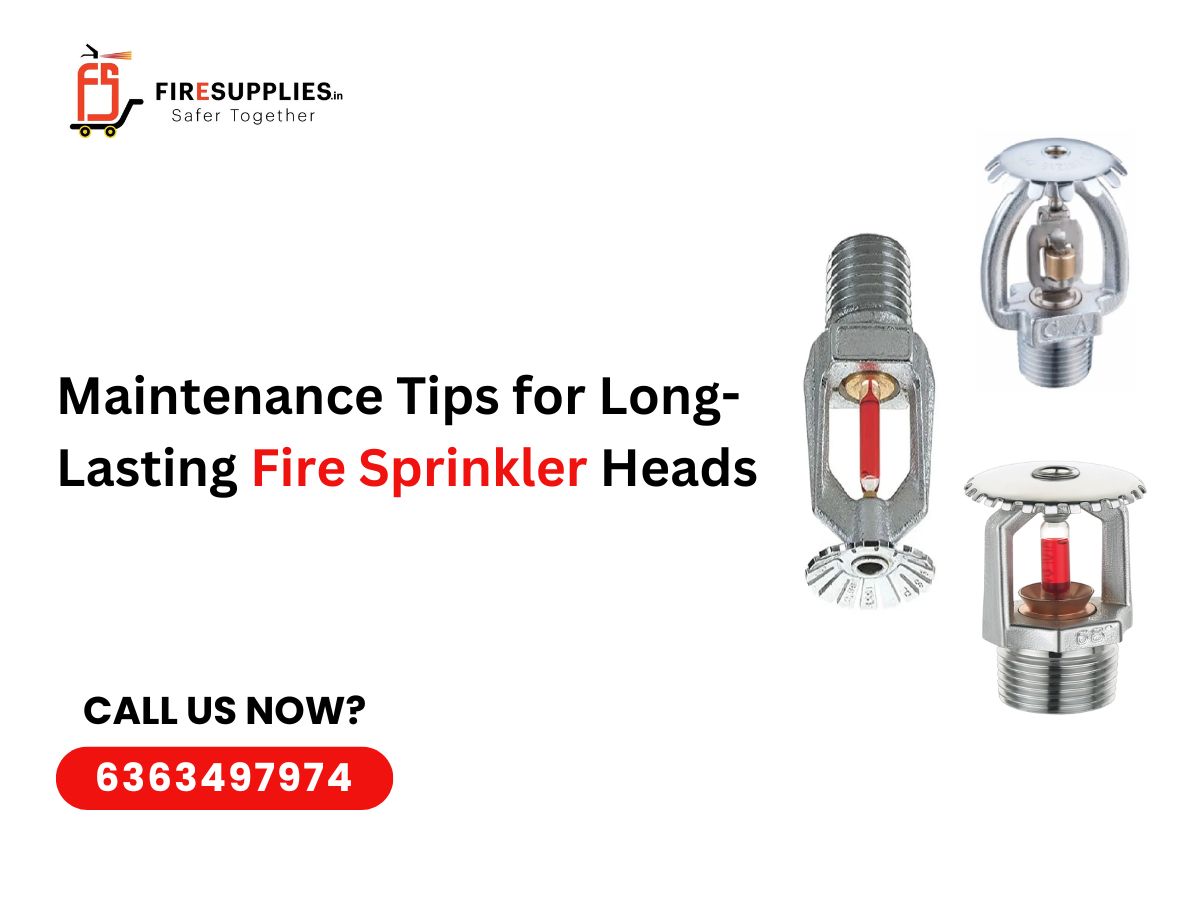
Technical Details of a Fire Sprinkler Head
| Technical Aspect | Description |
| Activation Element | Heat-sensitive glass bulb or fusible link |
| Water Discharge Pattern | Designed spray distribution |
| Operating Temperature | Pre-rated activation range |
| Mounting Position | Ceiling or sidewall |
| System Connection | Pressurised piping network |
| Typical Material | Brass or corrosion-resistant alloy |
Understanding these components helps identify maintenance needs for each fire sprinkler head.
Why Fire Sprinkler Head Maintenance Is Critical
Fire sprinklers often remain unused for years.
This long idle period makes regular inspection essential.
Dust buildup, paint overspray, corrosion, or accidental impact can prevent a fire sprinkler from activating.
Maintenance ensures the sprinkler head performs exactly as intended during an emergency.
Use Cases and Applications for Fire Sprinkler Maintenance
Fire sprinkler maintenance applies across all building types.
Common applications include:
- Residential apartments and villas
- Commercial offices and retail spaces
- Warehouses and logistics centres
- Manufacturing and industrial facilities
- Hospitals, hotels, and schools
Each environment exposes fire sprinkler heads to different risks that require attention.
Routine Visual Inspection of Fire Sprinkler Heads
Visual inspection is the simplest yet most important maintenance step.
During inspection, check for:
- Dust or dirt buildup
- Corrosion or rust
- Paint or coatings on sprinkler heads
- Obstructions near the spray area
- Physical damage or misalignment
Any visible issue can reduce fire sprinkler performance.
Cleaning Fire Sprinkler Heads Safely
Fire sprinkler heads should never be scrubbed aggressively.
Rough handling can damage the heat-sensitive element.
Safe cleaning practices include:
- Using a soft brush or vacuum
- Gently removing dust without touching the bulb
- Avoiding water sprays or chemicals
Proper cleaning preserves the sensitivity of each fire sprinkler head.
Protecting Fire Sprinkler Heads from Accidental Damage
Sprinkler heads are often damaged during renovations or storage activities.
Impact damage is a common cause of sprinkler failure.
Use protective covers during construction and remove them afterwards.
Clear signage and awareness reduce accidental contact with fire sprinkler heads.
Environmental Factors That Affect Fire Sprinkler Lifespan
Environmental conditions significantly impact sprinkler head durability.
Key factors include:
- Humidity and moisture
- Chemical fumes or vapours
- Temperature fluctuations
- Dust-heavy environments
In harsh conditions, corrosion-resistant fire sprinkler heads are recommended.
Advantages of Regular Fire Sprinkler Maintenance
Reliable Fire Protection
Proper maintenance ensures sprinklers activate when needed.
Extended Equipment Lifespan
Well-maintained sprinkler heads last longer.
Reduced Replacement Costs
Early issue detection prevents major repairs.
Compliance with Safety Standards
Maintenance supports regulatory requirements.
These benefits make routine fire sprinkler care a smart safety investment.
Limitations of Poor Fire Sprinkler Maintenance
Neglecting maintenance can lead to serious consequences.
- Delayed or failed activation
- Reduced water coverage
- Increased fire damage
- Code violations and penalties
A poorly maintained fire sprinkler system compromises overall fire safety.
Choosing Long-Lasting Fire Sprinkler Heads
When replacing or upgrading sprinkler heads, consider:
- Corrosion-resistant materials
- Compatibility with existing systems
- Environmental exposure conditions
- Compliance with fire safety standards
Quality fire sprinkler heads require less frequent replacement and maintenance.
Explore reliable sprinkler head options
Inspection Frequency and Maintenance Planning
Fire sprinkler inspections should follow a scheduled plan.
Visual inspections are typically more frequent than functional checks.
Maintenance records help track performance over time.
A documented schedule ensures no fire sprinkler head is overlooked.
Common Causes of Fire Sprinkler Head Failure
Understanding failure causes helps prevent them.
Common reasons include:
- Corrosion or rust
- Paint or foreign materials
- Mechanical damage
- Improper installation
- Age-related wear
Can Fire Sprinkler Heads Be Tested Without Discharge?
Yes, many inspections focus on visual and mechanical checks.
Functional testing of the full system is handled separately by professionals.
This approach ensures safety without accidental water discharge.
Testing protocols protect both the fire sprinkler system and the building.
Standards for Fire Sprinkler Maintenance
Fire sprinkler maintenance should align with recognised safety standards.
Authoritative guidance comes from:
- National Fire Protection Association (NFPA)
- Government fire safety authorities
- International fire protection standards bodies
These standards define inspection frequency, maintenance procedures, and replacement guidelines for fire sprinkler systems.
Frequently Asked Questions
FAQ 1: How often should fire sprinklers be inspected?
Fire sprinklers should be visually inspected regularly and professionally inspected as per fire safety guidelines.
FAQ 2: What causes fire sprinkler heads to fail?
Common causes include corrosion, dust buildup, paint contamination, mechanical damage, and improper installation.
FAQ 3: Can fire sprinkler heads be tested without discharging?
Yes. Visual inspections and mechanical checks can be performed without water discharge.
FAQ 4: Can damaged sprinkler heads be repaired?
No. Damaged heads should be replaced.
FAQ 5: Does painting a sprinkler head affect performance?
Yes. Paint can prevent proper activation.
FAQ 6: Are corrosion-resistant sprinkler heads worth it?
Yes, especially in humid or industrial environments.
FAQ 7: Do sprinkler heads expire?
They may need replacement after long service periods.
FAQ 8: Who should maintain fire sprinkler systems?
Qualified fire safety professionals should handle inspections and maintenance.
Final Call to Action
A well-maintained fire sprinkler system saves lives and protects property.
Don’t wait for an emergency to discover a problem.

