
Your list is empty, add products to the list to send a request









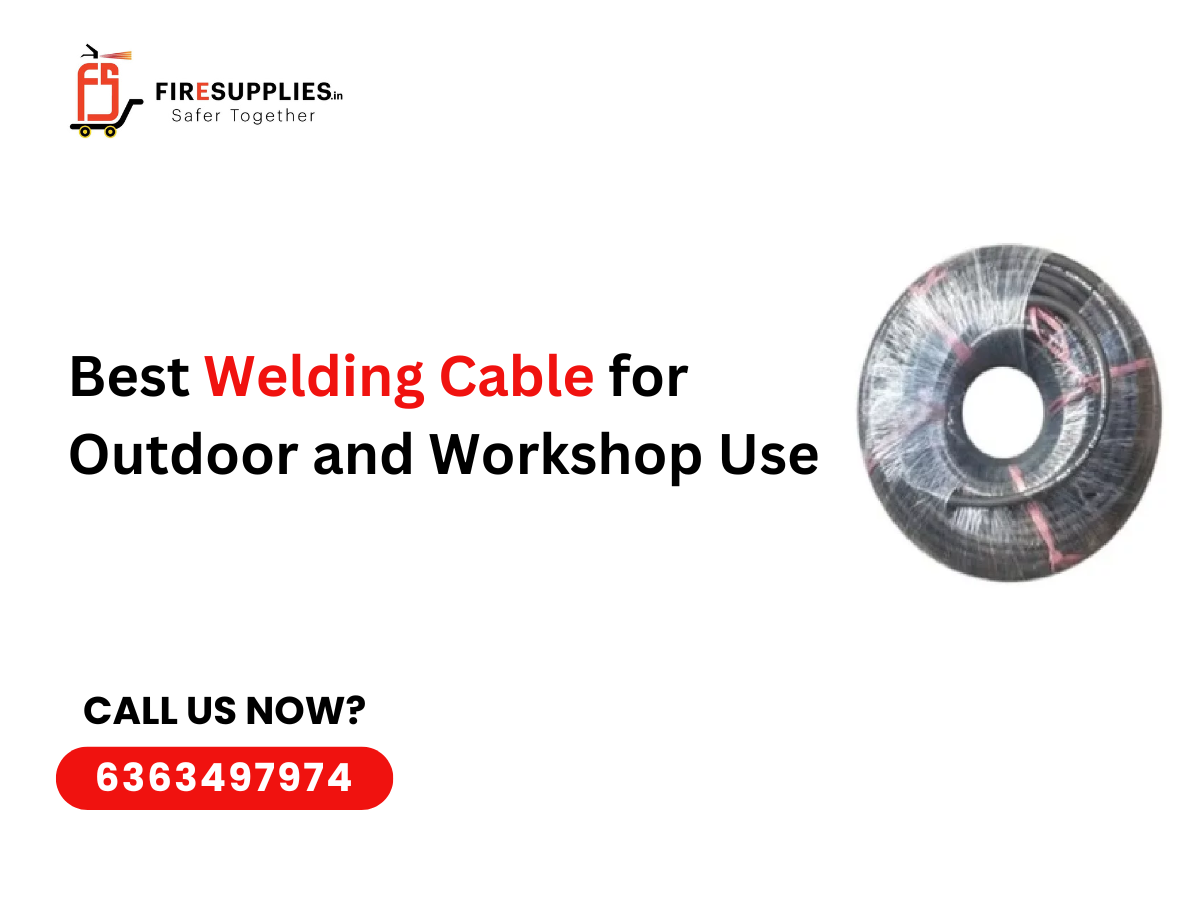
Best Welding Cable for Outdoor and Workshop Use

22
Jan
Choosing the right welding cable is essential for safety, performance, and long-term reliability—especially when the cable is used both outdoors and inside workshops. Environmental exposure, mechanical stress, and electrical load all affect how well a welding cable performs over time.
This guide explains how to select the best welding cable for outdoor and workshop use, covering technical details, applications, advantages, limitations, buying tips, and standards. It is written for beginners and professionals alike, using clear language and practical advice.
What Is a Welding Cable?
A welding cable is a flexible electrical cable designed to carry high current from a welding machine to the electrode holder or work clamp. It uses fine-stranded copper conductors and durable insulation to withstand heat, movement, abrasion, and electrical load during welding operations.
For outdoor and workshop use, welding cables must balance flexibility, weather resistance, and current-carrying capacity to ensure consistent arc stability and operator safety.
Technical Details of Welding Cable
Below is a simplified overview of key technical characteristics to consider when selecting a welding cable:
| Technical Parameter | Description |
| Conductor Material | High-purity copper for low resistance |
| Stranding Type | Fine multi-stranded copper for flexibility |
| Insulation Material | Rubber or PVC with heat resistance |
| Voltage Rating | Suitable for welding machine output |
| Temperature Range | Designed to handle heat from welding |
| Abrasion Resistance | Protects against workshop and outdoor wear |
| Flex Life | Withstands repeated bending and dragging |
Why Welding Cable Choice Matters for Outdoor and Workshop Use
Outdoor welding exposes cables to sunlight, moisture, dust, and uneven surfaces. Workshop environments add oil spills, metal edges, heat, and continuous movement.
A poor-quality welding cable may crack, stiffen, or overheat, leading to voltage drop, unstable arcs, and safety hazards. Choosing the correct cable ensures smooth operation, reduced downtime, and lower replacement costs.
Applications of Welding Cable
A high-quality welding cable is suitable for a wide range of applications, including:
- Fabrication workshops
- Construction and on-site welding
- Outdoor repair and maintenance work
- Industrial manufacturing units
- Agricultural equipment welding
- Structural steel welding
Outdoor Requirements for Welding Cable
When used outdoors, welding cables must handle environmental stress without performance loss.
Key outdoor considerations include:
- Resistance to sunlight and temperature changes
- Ability to remain flexible in cold or hot weather
- Protection against moisture and surface abrasion
- Strong insulation that resists cracking
Rubber-sheathed welding cables generally perform better outdoors due to their elasticity and weather tolerance.
Workshop Requirements for Welding Cable
Inside workshops, welding cables face frequent movement, dragging, and exposure to sharp edges.
Important workshop-friendly features include:
- High flex life for daily bending
- Abrasion resistance for concrete floors
- Oil and grease resistance
- Compact diameter for easier handling
A well-designed welding cable improves efficiency and reduces operator fatigue during long welding sessions.
Advantages of Using the Best Welding Cable
Choosing the right welding cable delivers multiple benefits:
- Stable welding arc and consistent current flow
- Reduced heat buildup and energy loss
- Improved safety for operators
- Longer service life
- Lower maintenance and replacement costs
Limitations and Common Mistakes
Even the best welding cable has limitations if misused.
Common mistakes include:
- Using undersized cable for high current
- Exceeding recommended cable length
- Dragging cables over sharp metal edges
- Storing cables improperly after outdoor use
Correct sizing and handling are just as important as cable quality.
How to Choose the Best Welding Cable
When purchasing a welding cable for outdoor and workshop use, focus on these factors:
- Copper conductor quality for low resistance
- Fine stranding for flexibility
- Insulation type suitable for environment
- Correct cable size based on current and length
- Compliance with Indian standards
Avoid choosing solely based on price, as low-cost cables often compromise safety and durability.
Advantages of Copper Welding Cable Over Alternatives
Copper remains the preferred conductor for welding cables due to:
- Excellent electrical conductivity
- Lower voltage drop
- Better heat dissipation
- Longer operational life
Maintenance Tips for Welding Cable Longevity
To extend the life of your welding cable:
- Avoid tight coiling after use
- Clean dirt and oil after outdoor jobs
- Store away from direct sunlight when not in use
- Inspect insulation regularly for cuts or cracks
Frequently Asked Questions (FAQs)
FAQ 1: What is the IP rating on welding cable sheaths?
Welding cables typically do not carry an official IP rating, but high-quality insulation provides effective resistance to dust, moisture, and splashes when used correctly.
FAQ 2: What are the length limits for 16mm² welding cable?
The usable length of a 16mm² welding cable depends on current load and acceptable voltage drop. Longer runs may require thicker cables for stable performance.
FAQ 3: Is drag chain safe welding cable available?
Yes, certain welding cables are designed with enhanced flexibility and abrasion resistance, making them suitable for drag chain or repetitive movement applications.
Standards and Certifications
A reliable welding cable should comply with recognized standards, such as:
- Indian Standards (IS) for electrical cables
- Quality control checks for conductor purity
- Insulation testing for heat and abrasion resistance
Standards ensure safety, consistency, and long-term reliability.
Looking for a reliable welding cable that performs consistently outdoors and in workshops?
Explore our trusted copper welding cable solutions today and choose a product built for durability, safety, and long-term value.

