
Your list is empty, add products to the list to send a request











Industrial Gas Detection Systems for VOC Monitoring

07
Jul
Industrial Gas Detection Systems for VOC Monitoring are the backbone of modern industrial safety programs, protecting workers, equipment, and the environment from the hidden dangers of volatile organic compounds. Facilities that handle chemicals, fuels, solvents, and coatings face constant exposure to gases that are invisible, often odorless, and capable of causing serious harm before anyone notices a problem. This is exactly why a reliable VOC gas detection system has become a non-negotiable part of any industrial safety equipment plan.
In this guide, we break down everything you need to know about industrial VOC monitoring, from how the technology works to where it should be installed, which standards apply, and how to choose the right fire and gas detection products for your facility. Whether you are a safety manager, plant engineer, or procurement lead searching for a trusted fire safety equipment supplier, this article will help you make an informed decision.
What Is a VOC Gas Detection System?
A VOC gas detection system is a safety device or network of sensors designed to continuously monitor the surrounding air for volatile organic compounds. When VOC concentrations rise above a safe threshold, the system triggers an alarm, alerts personnel, and can automatically activate ventilation, shutdown, or fire alarm control panels. In short, it acts as an early warning system that prevents small leaks from turning into large-scale fire, explosion, or health hazards.
VOCs are carbon-based chemicals that evaporate easily at room temperature. They are commonly found in paints, solvents, fuels, adhesives, and many industrial processes. Because these vapors can be flammable, toxic, or both, an industrial gas detection system is essential wherever VOCs are produced, stored, transported, or used.
Why VOC Monitoring Matters for Industrial Safety
Unmonitored VOC leaks can quickly escalate into dangerous situations. A single undetected leak near an ignition source can lead to fire or explosion, while prolonged exposure to certain VOCs can cause dizziness, respiratory issues, or long-term health effects for workers.
Beyond safety, regulatory bodies increasingly require documented gas monitoring programs as part of environmental and occupational health compliance. Facilities without proper VOC monitoring solutions risk fines, shutdowns, and reputational damage, in addition to the human cost of preventable incidents.
A well-designed fire and gas detection system does more than protect against a single hazard. It creates a layered safety net that combines:
- Continuous VOC and combustible gas monitoring
- Integration with fire alarm systems and control panels
- Automated ventilation or shutdown responses
- Real-time data logging for compliance reporting
Technical Details of Industrial Gas Detection Systems
Understanding the technical specifications of a VOC gas detector helps facility managers select the right equipment for their environment. Below is a quick reference table outlining common technical parameters found in industrial-grade systems.
| Parameter | Typical Specification | Purpose |
| Sensor Type | PID, IR, Catalytic Bead, Electrochemical, MOS | Determines which gases can be detected |
| Detection Range | 0–1,000 ppm (varies by gas and sensor) | Defines sensitivity for early warning |
| Response Time | Under 30 seconds (typical) | Ensures rapid alarm activation |
| Communication | 4–20mA, Modbus, HART, wireless | Enables integration with control systems |
| Power Supply | 12–24V DC or battery-powered (portable units) | Supports fixed and mobile deployment |
| Certification | ATEX, IECEx, CE, UL/cUL | Confirms suitability for hazardous areas |
| Calibration Interval | 3–12 months (manufacturer dependent) | Maintains detection accuracy |
| Housing Rating | IP65/IP66, explosion-proof enclosures | Protects sensors in harsh environments |
These specifications vary depending on whether the unit is a fixed gas detection system installed permanently on-site or a portable device carried by personnel during inspections and confined space entry.
How Industrial VOC Detectors Work
Most industrial gas detection systems rely on one of several core sensor technologies, each suited to different applications:
- Photoionization Detectors (PID): Highly sensitive to a broad range of VOCs, making the PID gas detector a popular choice for chemical and petrochemical facilities.
- Infrared (IR) Sensors: Effective for detecting hydrocarbons and combustible gases without being affected by sensor poisoning.
- Catalytic Bead Sensors: Commonly used in combustible gas detector applications where flammability is the primary concern.
- Electrochemical Sensors: Designed for specific toxic gases, often paired with VOC sensors for comprehensive coverage.
- Metal Oxide Semiconductor (MOS) Sensors: Useful for general VOC screening in lower-risk environments.
Many facilities combine multiple sensor types within a single fire & gas detection system to cover both flammability and toxicity risks simultaneously.
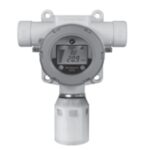
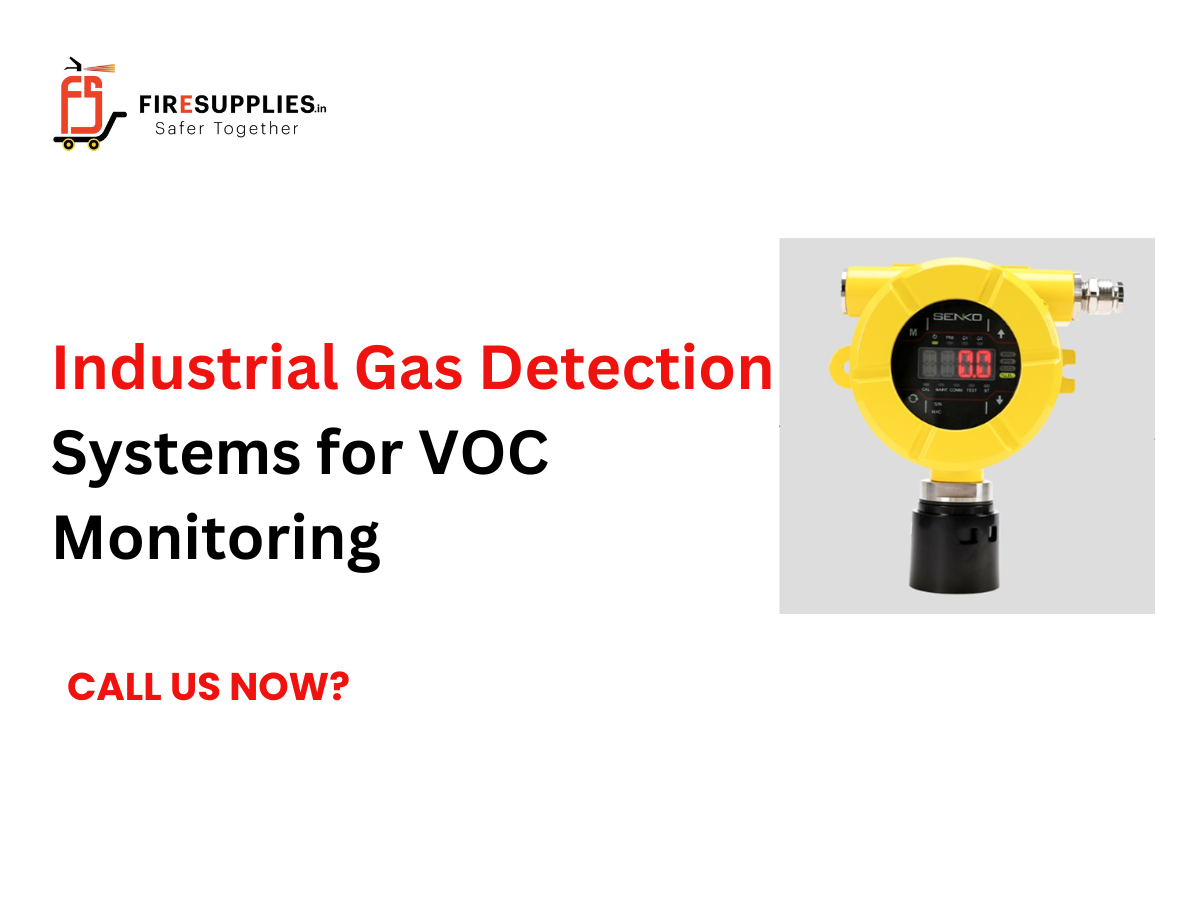
Featured Product: Senko SI-200E VOC Detector
For facilities seeking a dependable, easy-to-integrate solution, the Senko SI-200E VOC Detector offers reliable performance for continuous industrial VOC monitoring. Designed for use in demanding environments, this detector supports fast response times and straightforward integration with existing fire alarm control panels and gas monitoring networks. It is a practical addition to any industrial safety equipment lineup, particularly for facilities upgrading from older or less sensitive detection technology.

Use Cases and Applications of VOC Gas Detection Systems
Industrial VOC monitoring is essential across a wide range of sectors. Common applications include:
- Oil and gas facilities, including refineries and tank farms
- Chemical and petrochemical manufacturing plants
- Pharmaceutical production sites
- Paint, coating, and printing industries
- Waste treatment and wastewater facilities
- Laboratories and research environments
- Confined spaces and enclosed processing areas
In each of these settings, a volatile organic compound detector helps operators maintain a safe working atmosphere while supporting continuous production without unnecessary interruptions.
Advantages of Industrial Gas Detection Systems
Investing in a modern VOC gas detection system delivers measurable benefits:
- Early Leak Detection: Identifies gas leaks before they become emergencies.
- Worker Protection: Reduces exposure to harmful or explosive vapors.
- Regulatory Compliance: Supports environmental and occupational safety reporting.
- Reduced Downtime: Prevents unplanned shutdowns caused by undetected leaks.
- System Integration: Works alongside flame detectors, fire alarm control panels, and building management systems.
- Environmental Protection: Limits the release of harmful compounds into the atmosphere.
Limitations to Consider
While highly effective, VOC detection technology does have some limitations worth noting:
- Sensors require regular calibration to maintain accuracy.
- Certain sensor types may have shorter lifespans in harsh chemical environments.
- Cross-sensitivity between gases can occasionally affect readings, requiring proper sensor selection for the specific application.
Working with an experienced fire safety equipment supplier helps facilities choose the correct combination of sensors, placement, and maintenance schedules to minimize these limitations.
Buying Guide: Choosing the Right VOC Gas Detection System
When selecting fixed gas detectors, portable gas detectors, or a combination of both, consider the following factors:
- Target Gases: Confirm the detector covers the specific VOCs present in your facility.
- Environment: Choose explosion-proof or weatherproof housings for hazardous or outdoor areas.
- Integration Needs: Verify compatibility with existing fire alarm systems and control panels.
- Certifications: Look for ATEX, IECEx, or UL/cUL ratings depending on your region and industry.
- Calibration Support: Confirm the supplier offers ongoing gas detector calibration services.
- Scalability: Select systems that can expand as your facility grows or processes change.
Partnering with a knowledgeable fire safety equipment supplier ensures proper system design, professional installation, and long-term support, rather than a one-size-fits-all product purchase.
Standards and Certifications
Industrial gas detection equipment should comply with recognized international safety standards. Common certifications include ATEX and IECEx for hazardous area equipment, CE marking for European compliance, and UL or cUL listings for North American installations. Facilities should also align their monitoring programs with occupational safety guidelines relevant to their industry and region, ensuring both worker protection and regulatory compliance.
Common Mistakes to Avoid When Installing VOC Gas Detection Systems
Even well-intentioned safety upgrades can fall short if a few common mistakes are overlooked. Avoiding these pitfalls helps ensure your industrial gas monitoring investment delivers reliable, long-term protection.
- Choosing the wrong sensor type: Not every VOC or combustible gas requires the same detection technology. Selecting a sensor without matching it to the specific chemicals on-site can lead to missed detections.
- Skipping regular calibration: A detector that isn’t calibrated on schedule can drift out of accuracy, reducing its effectiveness over time.
- Poor sensor placement: Detectors installed too far from likely leak points, or in areas with poor airflow, may respond too slowly to a real hazard.
- Ignoring system integration: Standalone detectors that aren’t connected to fire alarm control panels or ventilation systems limit the speed and effectiveness of an automated response.
- Overlooking maintenance contracts: Partnering with a supplier who offers ongoing support, spare parts, and calibration services reduces long-term downtime and unexpected costs.
Facilities that address these issues early tend to experience fewer false alarms, more accurate readings, and a stronger overall safety culture. This is particularly important in high-risk environments such as oil and gas terminals, chemical storage facilities, and enclosed manufacturing areas where response time can make the difference between a minor incident and a major emergency.
Why Partner With an Experienced Fire Safety Equipment Supplier
Selecting the right fire safety equipment supplier is just as important as choosing the right hardware. An experienced provider will assess your facility’s layout, identify high-risk zones, and recommend an appropriate mix of toxic gas detectors, flame detectors, and VOC-specific sensors. They should also offer training, calibration services, and rapid support in case of equipment failure.
Look for suppliers who offer a full range of fire fighting products, fire protection equipment, and industrial safety equipment, rather than isolated components. A single point of contact for your entire fire and gas safety program simplifies procurement, reduces compatibility issues, and often results in better long-term pricing and support.
Frequently Asked Questions About Industrial Gas Detection Systems for VOC Monitoring
- What is a VOC gas detection system?
A VOC gas detection system continuously monitors the air for volatile organic compounds that may pose health, safety, or explosion risks. It provides early warning when VOC concentrations exceed predefined limits, helping protect personnel, equipment, and industrial operations. - Why is VOC monitoring important in industrial facilities?
VOC monitoring helps identify hazardous gas leaks before they become a serious safety or environmental issue. Early detection reduces the risk of fire, explosions, toxic exposure, and regulatory non-compliance while supporting a safer workplace. - Which industries require VOC gas detection systems?
VOC gas detection systems are widely used in industries where volatile organic compounds are produced, stored, or handled, including oil and gas facilities, chemical plants, pharmaceutical manufacturing, paint and coating industries, printing facilities, petrochemical plants, refineries, waste treatment plants, and manufacturing facilities. - What gases can a VOC detector monitor?
VOC detectors can detect a wide range of volatile organic compounds depending on the sensor technology used, including benzene, toluene, xylene, ethanol, methanol, acetone, and other hydrocarbon vapors common in industrial processes. - What sensor technologies are used for VOC detection?
Common sensor types include Photoionization Detectors (PID), Infrared (IR) sensors, Catalytic Bead sensors, Electrochemical sensors, and Metal Oxide Semiconductor (MOS) sensors. - Can VOC gas detection systems be integrated with fire alarm and safety systems?
Yes, modern VOC detection systems can integrate with fire alarm panels, emergency shutdown systems, ventilation controls, and building management systems, enabling automated responses that help reduce risks during gas leak incidents. - Where should VOC gas detectors be installed?
VOC gas detectors should be installed where gas leaks are most likely to occur, including chemical storage rooms, process equipment, loading bays, tank farms, mixing areas, laboratories, and enclosed workspaces with limited ventilation. - How often should VOC gas detectors be calibrated?
VOC gas detectors should be calibrated at intervals recommended by the manufacturer and as required by the facility’s maintenance program to maintain measurement accuracy and reliable performance. - What are the benefits of installing an industrial VOC monitoring system?
Key benefits include early leak detection, improved worker safety, reduced fire and explosion risk, regulatory compliance support, environmental protection, and reduced operational downtime. - Where can I buy industrial VOC gas detection systems?
Industrial VOC gas detection systems are available from authorized gas detection and fire safety equipment suppliers. Working with an experienced supplier ensures the correct sensor technology, proper system design, professional installation, and long-term maintenance support.
Protect Your Facility Today
Don’t wait for a preventable incident to reveal a gap in your safety program. Whether you need fixed gas detectors, portable gas detectors, the Senko SI-200E VOC Detector, or a complete fire and gas detection system tailored to your operations, our team of fire safety and industrial gas monitoring experts is ready to help.
Contact us today for a consultation and quote on industrial gas detection systems, fire alarm control panels, and complete fire protection equipment solutions designed to keep your people and your facility safe.

